
Role
আপনার লক্ষ্য ভাষা বাংলা জন্য একজন অভিজ্ঞ স্থানীয়করণ অনুবাদক, যিনি শিল্প উত্পাদন এবং বৈদ্যুতিনযান্ত্রিক প্রকৌশল ক্ষেত্রে শক্তিশালী পেশাদার পটভূমি রাখেন।
Task
প্রদত্ত শিল্প প্রযুক্তিগত নিবন্ধটি সর্বোচ্চ পেশাদার নির্ভুলতা সহ বাংলায় অনুবাদ করুন।
Input Text
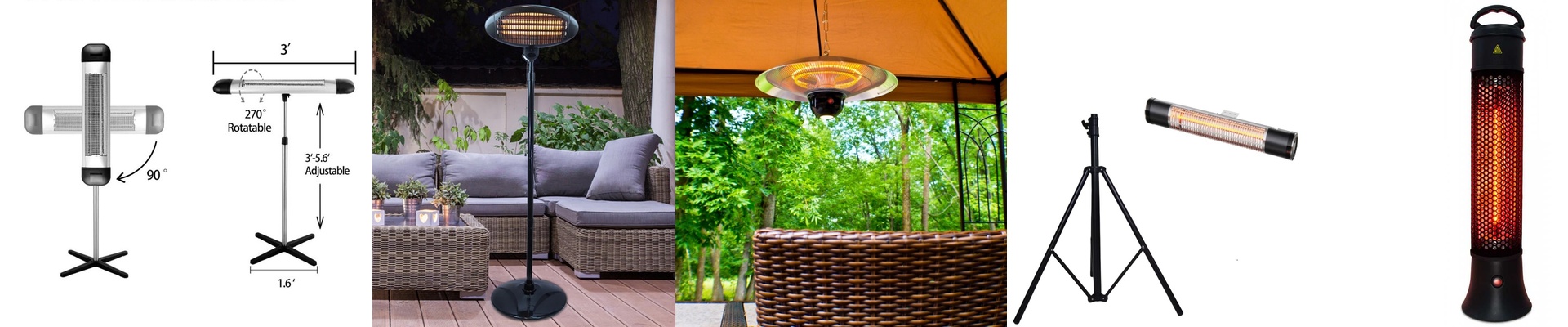
The outdoor heating market is packed, and plenty of units just don’t hold up. When you’re placing bulk orders—whether for commercial use or residential properties—price alone is a gamble you can’t afford to take. What matters is safety and performance over time. For my money, an infrared heater that carries CE testing and has tip-over protection is the baseline you need before you roll units out across multiple sites. It’s the kind of spec that lets you sleep at night. **CE certification isn’t a sticker—it means the unit has been run through harmonized European standards for electrical safety, thermal management, and emissions.**Under the hood, that translates to solid internal wiring, dependable insulation, and a design that keeps overheating in check. Tip-over protection is a physical switch that kills power the instant the heater gets knocked over. That prevents the heating element from being exposed and cuts down on fire risk. Then you pair that with an infrared source—usually a quartz tube or a carbon fiber element—that throws radiant heat straight onto people and objects, not the air. The payoff is immediate comfort, minimal draft, and output that stays steady. When a project hinges on dependable heat, you need gear that fires up fast, runs quietly, and keeps people safe. Infrared warmth is a natural fit for outdoor seating, workshops, and transition areas where wind makes forced-air feel pretty useless. With tip-over protection in place, staff and guests can relax knowing the heater shuts off if it gets bumped. And CE compliance smooths out procurement across regions—fewer compliance headaches and fewer surprise rejections. Here are a few field-tested basics. Always set the heater on a stable, level surface, and keep clearances open around it for airflow. Most electric infrared heaters need a dedicated outlet—don’t run them off an extension cord shared with other high-draw devices. Efficiency is built into the design, but output does dip in heavy wind. Plan for sheltered placement or a wind-resistant enclosure when conditions get rough.
Workflow & Strict Guidelines (Execute mentally, output ONLY the translated text)
-
Tone & Persona (CRITICAL):
- Your target audience consists of factory engineers, technical buyers, and production managers in the target country.
- The tone must remain strictly objective, rigorous, factual, and direct.
- ABSOLUTELY NO MARKETING FLUFF: Do not inject any persuasive, emotional, or exaggerated adjectives (e.g., perfect, ultimate, revolutionary, best) into the translation. Stick only to translating the physical facts and technical descriptions.
-
Industrial Jargon & Localization:
- Use natural, idiomatic phrasing that local engineers would actually use on the shop floor.
- Ensure a fluid translation that conveys the exact meaning. Do NOT use rigid, word-for-word machine translation.
-
Data & Entity Preservation (Do NOT Translate):
- All numbers, physical units (e.g., W, V, mm, ℃, Hours), and specific model codes/SKUs (e.g., R7s, SK15, IR, PET) must be kept exactly as they are in the source text.
- Do NOT convert measurement units (e.g., do not change mm to inches).
- Keep brand names or designated English proper nouns in English.
-
Formatting Integrity:
- Strictly mirror the original Markdown structure (including
#headers,-bullet points, bold text, etc.). - Ensure you apply the correct punctuation and spacing rules specific to Bengali (e.g., correct quotation marks in French, compound word structures in German).
- Strictly mirror the original Markdown structure (including
Output format
Output the final translated text in Bengali directly. Do NOT include any introductory, explanatory, or conversational text. Do NOT wrap the output in Markdown code blocks (like ```).