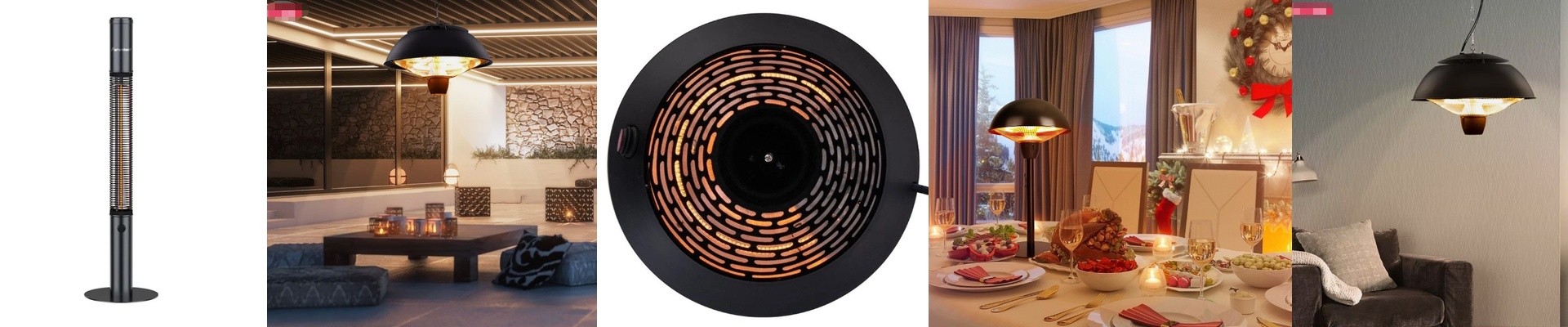
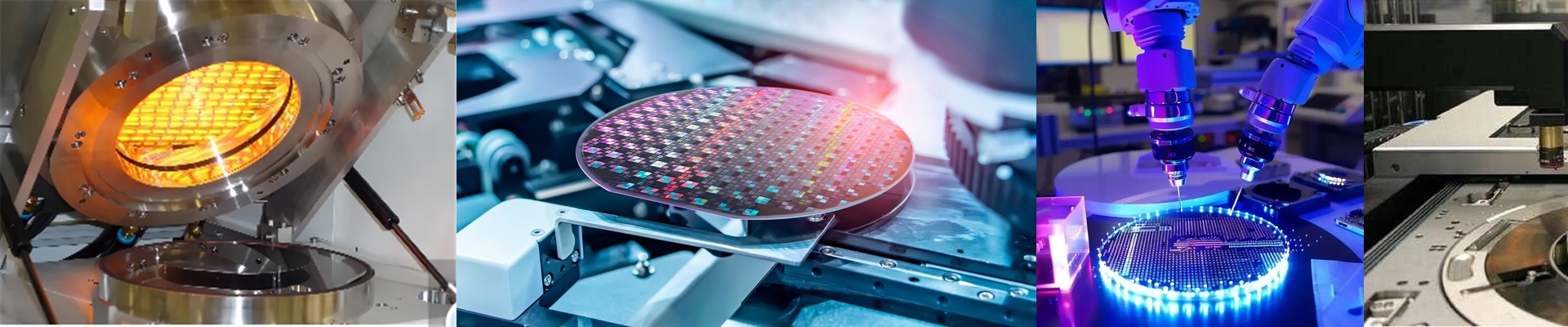
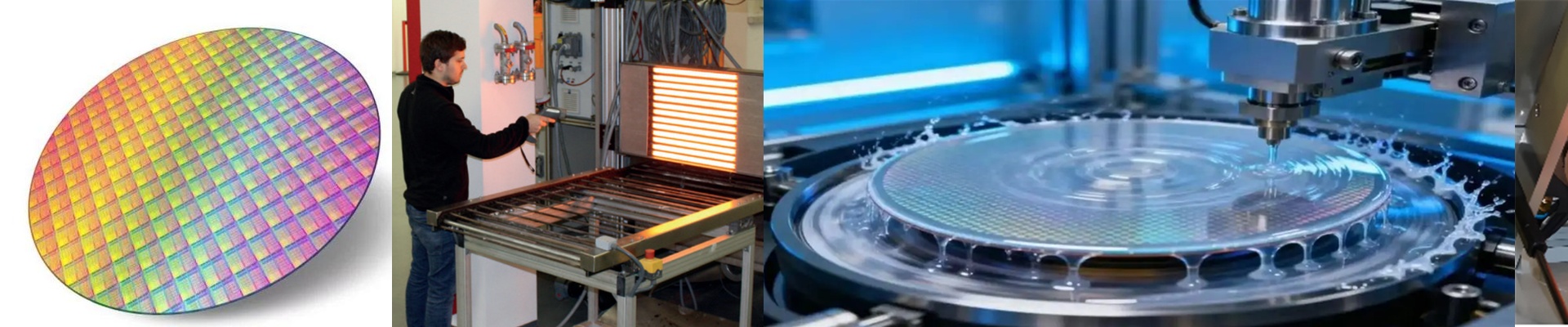
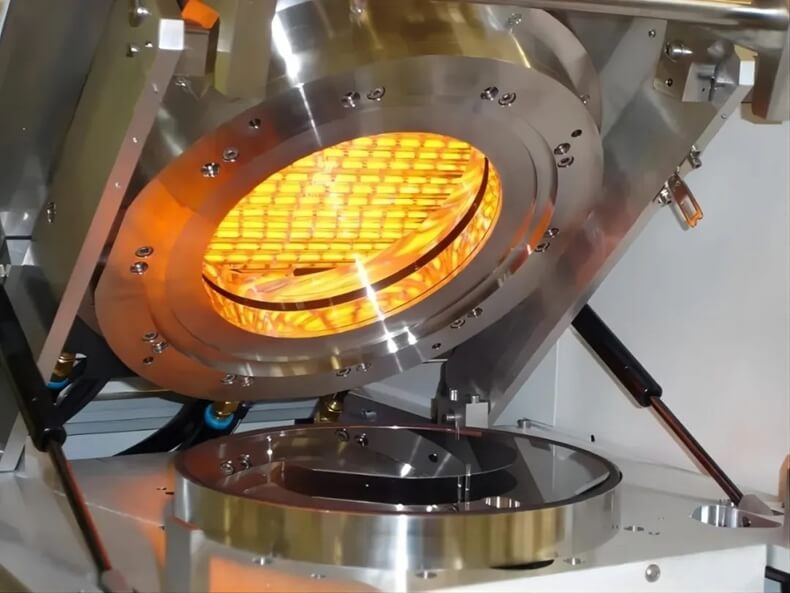
Out on the floor, the line never stops—24/7, same cadence. Carrier in, interposer seated, and that thermal step has to hit the same window at 02:00 as it does at 14:00. If the heat profile wanders, the photoresist bake wanders. CDs drift. Scrap starts climbing quietly, and the schedule starts slipping. So we built the interposer heating infrared lamp for that reality: a production-grade NIR source designed for continuous semiconductor use, where uptime, repeatability, and cleanroom discipline are simply mandatory.
What actually matters, technically
The heart of it is near-infrared (NIR) delivered through a quartz envelope, tuned for fast, localized heating of interposer substrates. We run a short-wave infrared profile that couples efficiently into the materials you’re running, giving you quick ramps without overshoot. Thermal uniformity is the spec you feel immediately on the wafer. This lamp holds ±0.1°C across the heated zone at the process setpoint, stabilized by closed-loop control and a calibrated emissivity map. That tight window keeps soft bake and hard bake temperatures consistent—so CD control stays in line, and profile repeatability doesn’t get messy. Cleanliness is the next spec that matters. In Class 1–100 environments, particles are a yield killer you don’t see until they’ve already cost you. The lamp assembly uses a low-outgassing design, sealed optics, and cleanroom-compatible materials. It generates zero particles during operation, so your cleanroom counts don’t drift. Reliability is the third spec, and it’s measured in uptime. The emitter runs in 7×24 service with zero unplanned downtime, field-verified life exceeding 5,000 hours, and output drift held below 5% over the life window. The thermal system is built for repeatability: same temperature, same ramp profile, same result—shift after shift.
Why this fits the wafer-level workflow
In wafer-level processing, the interposer heating step sits right inside the lithography and photoresist sequence. Temperature errors show up as edge bead, line-width bias, and adhesion issues that only reveal themselves after coat and bake. This lamp attacks those failure modes by stabilizing the thermal budget where it counts: at the interposer, at the bake station, and during exposure prep. You get process stability first. Tight uniformity and precise setpoint control cut excursions in photoresist bake, so both soft bake and hard bake stay in spec across the whole lot. That means fewer reworks, fewer splits, and a daily output you can count on. You get uptime second. A lamp that handles continuous operation without unexpected failures keeps the line moving. No unplanned stops for swaps, no requalification runs after a down event. The maintenance schedule stays predictable, not reactive. You get operating efficiency third. Fast thermal response cuts idle time when setpoints change, and emitter efficiency keeps energy use aligned with the thermal load. The result is lower energy per wafer—without compromising temperature accuracy.
The details you’ll need at integration
The lamp is compatible with Class 1–100 cleanrooms, but integration comes down to two practical points. Thermal coupling has to be engineered. Interposer fixture, sensor placement, and lamp distance all set the real-world uniformity. We provide mounting tolerances and a calibration procedure, but the integration still needs tight mechanical discipline. Plan your clearances, control the distance, and verify the profile after install. And the interfaces: it works with standard interfaces, but the power and control wiring must match the spec. Voltage, connector type, and grounding aren’t optional—they’re what keep the closed-loop control stable. Line up the equipment team and confirm the supply and control path before cutover. If you’re running high-volume wafer fabrication, this interposer heating infrared lamp isn’t just another heat source. It’s a repeatable thermal unit that protects yield, preserves uptime, and keeps the process in control—shift after shift, day after day.