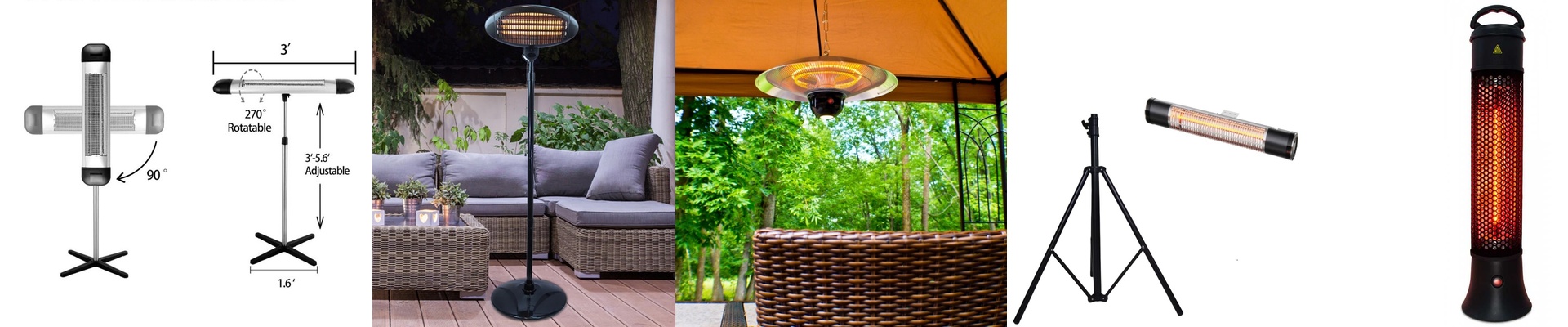
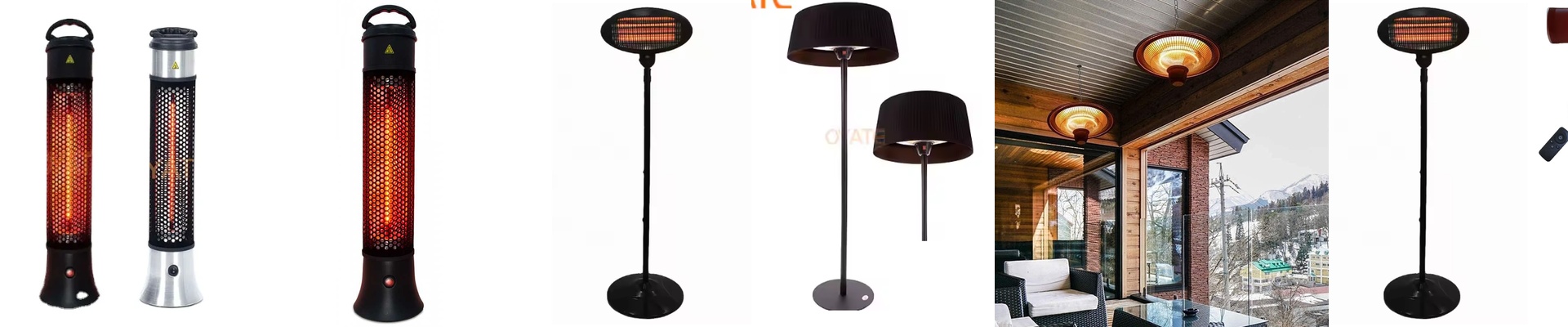
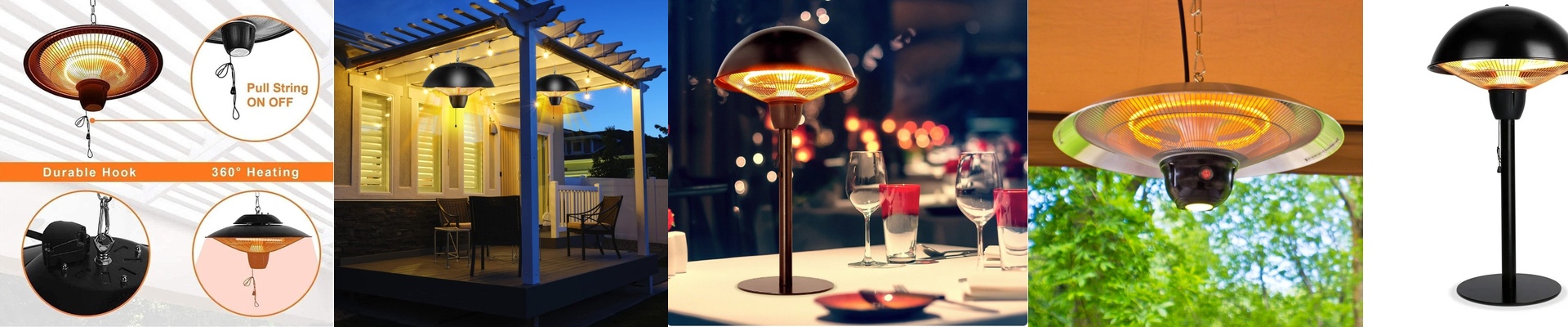
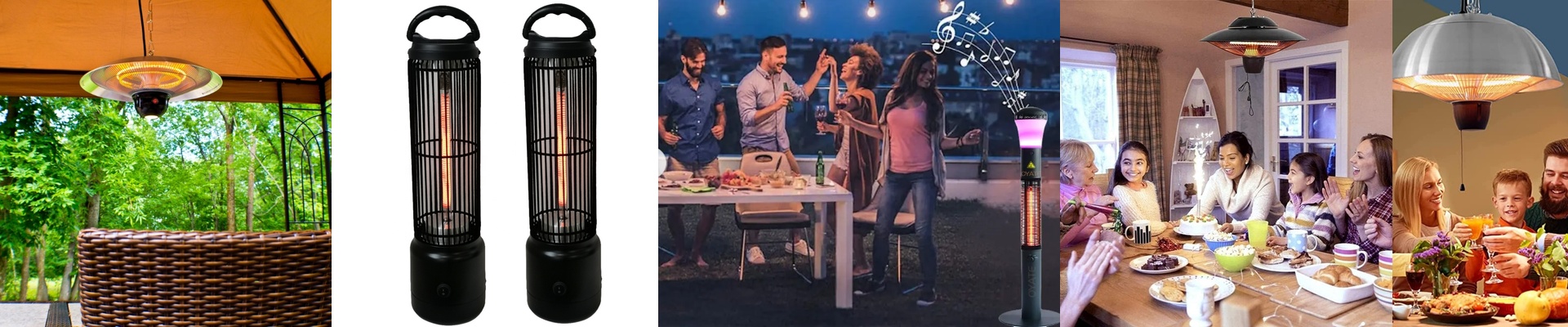
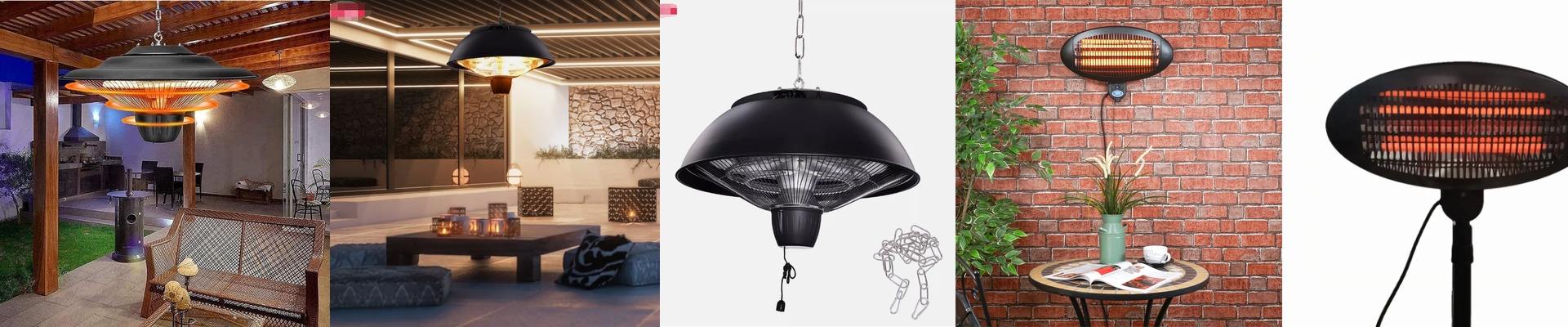
Winter evenings have a way of showing you exactly where your comfort falls short. You end up camped near the wall thermostat, waiting on the whole house to warm up while drafts sneak in and the energy bill climbs. That’s when a portable infrared heater starts to make sense—putting warmth right where you are, instead of heating everything you aren’t using.
What actually matters under the hood
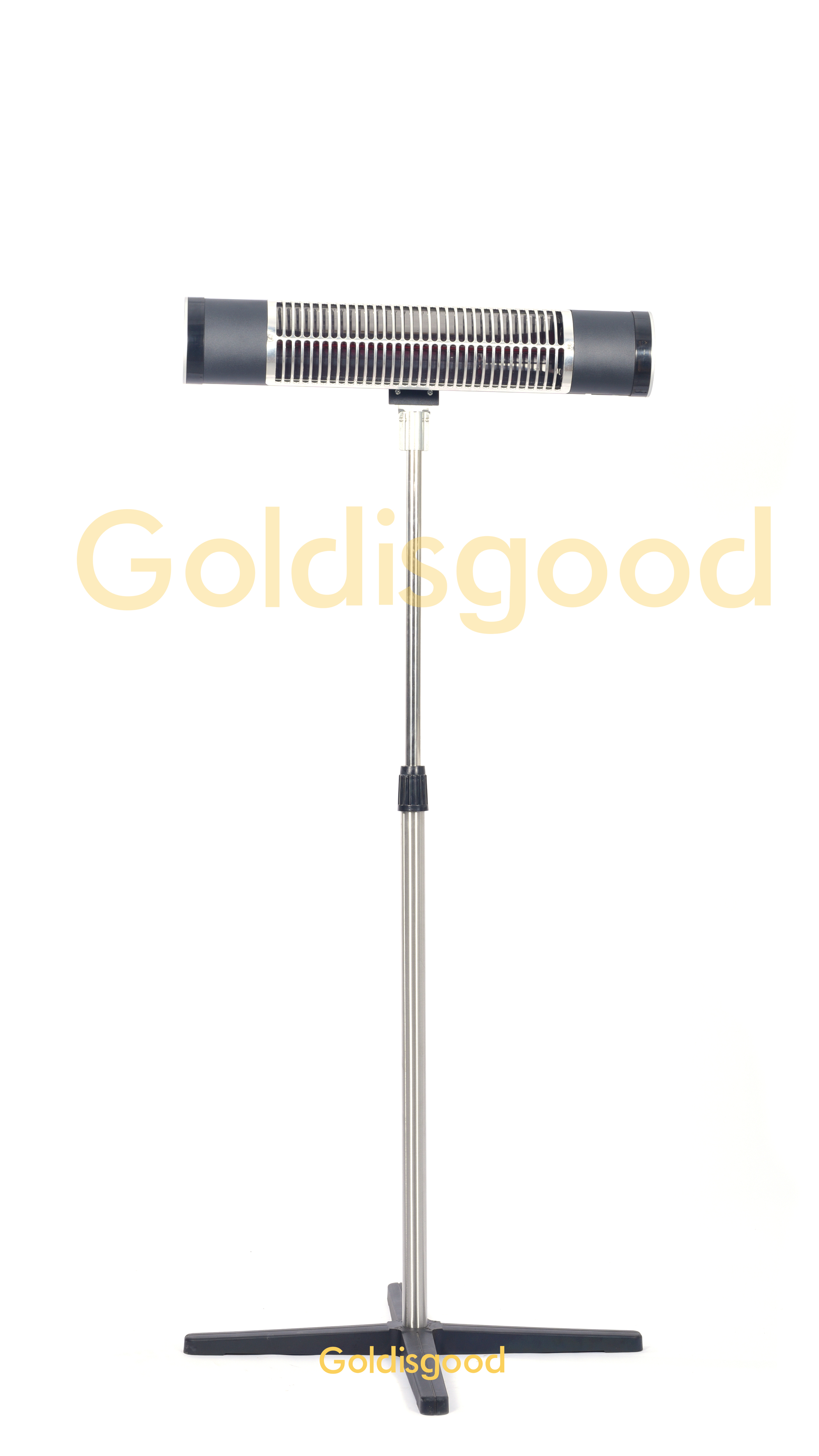
Infrared heaters work by radiant heat, warming people and objects directly—not by circulating hot air. In many home units, you’ll see either a carbon fiber element or a quartz tube that comes up to temperature fast, then delivers focused infrared warmth, usually shaped by a reflector to send the output forward.
Because the heat is directional, you can run the unit on a lower overall setting and still feel comfortable where you’re sitting. And when you use it in the room you’re actually in, many households see up to 30% less energy use compared with heating the entire home continuously.
Why it works in real life
The payoff is straightforward. You get comfort quickly—no long wait for the room to “catch up.” You also get more control: pull closer when you need a boost, back off when you step away.
If you’re working from home, reading in a chilly corner, or trying to keep a nursery steady, that means fewer temperature swings and less stress on the main heating system. The result is a more consistent feel and a clearer picture of what you’re spending each month.
The details that make the difference
Infrared warmth is most effective within a few feet of the unit, so position it where you actually sit or work. Most electric models plug into a standard outlet, but they run best on a dedicated circuit to avoid tripped breakers.
Keep clearances clear, and look for safety features like tip-over protection. One thing to keep in mind: infrared heats surfaces and people directly, so it won’t warm a cold room the same way a convection heater does. If you need whole-room comfort, pair it with a gentle background heat.