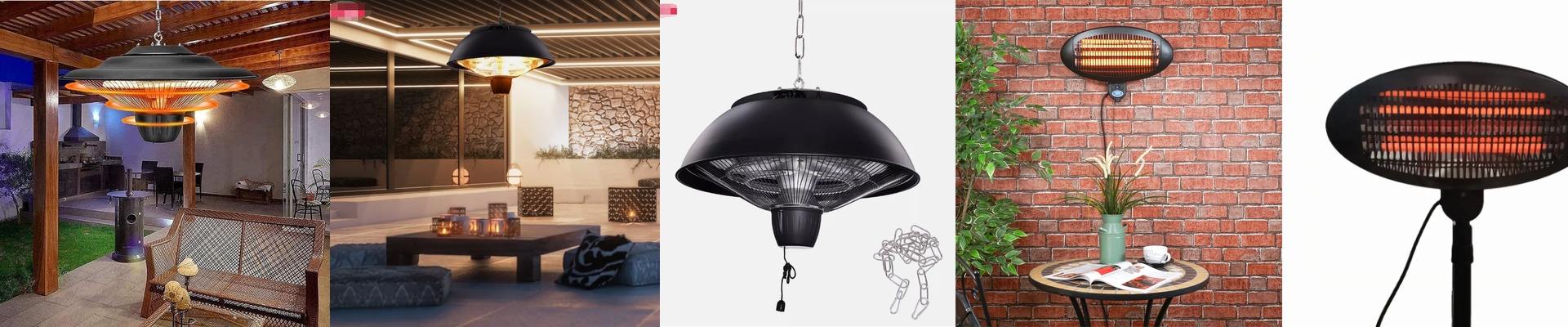

Hotel Room Heaters: The R7s Halogen Quartz Tube, Explained Like You’re Over Coffee
We build hotel room heaters around one simple promise: warm the room fast, without taking up a ton of space. The heart of it is a halogen quartz tube heater. It comes in voltages that match what most buildings already have—either 220V–240V or 110V–130V—and pumps out 1000W to 1500W. The tube itself is usually 300mm to 450mm long. That keeps the whole unit slim enough to hide behind a front panel, but still strong enough to throw heat where you need it, right away.
Power, Voltage, Size—Why It All Works
We pick wattage and voltage that play nice with standard electrical setups. Take the 1500W unit at 240V: it draws about 6.25A. That means wiring stays manageable and breaker sizing doesn’t become a headache. As for tube length, it’s a balancing act. Shorter tubes concentrate the wattage, so you get high heat density. But that also means you’ve got to manage heat carefully so nearby plastics and wiring don’t get cooked.
Materials and Design: Halogen, Quartz, and the R7s Base
We use a halogen-filled quartz envelope because quartz can handle serious filament heat and doesn’t panic when temperatures swing. The halogen cycle keeps the bulb clear and helps the output stay steady over time, so performance doesn’t fade as the lamp ages. Then there’s the R7s base—a two-pin connector made for high heat. It’s simple to swap on the spot, with no tools. And even when things vibrate, it stays solid.
What It Feels Like in a Hotel Room
Hotel guests want heat that shows up the moment they need it—quietly, and without fuss. This setup delivers instant radiant heat with almost no warm-up. And because the tube footprint is compact, you can design enclosures that stay sleek and slim. Just keep one thing in mind: with that kind of heat density, ventilation and clearance matter. Give the heat room to breathe, and protect the parts nearby. For engineers, it’s a straight-forward heater that wires up quickly and performs reliably, shift after shift.