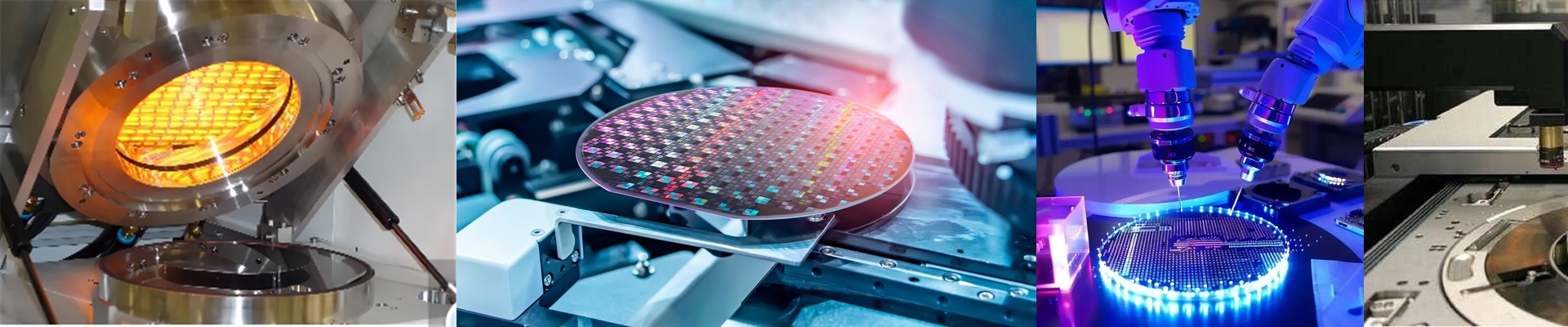
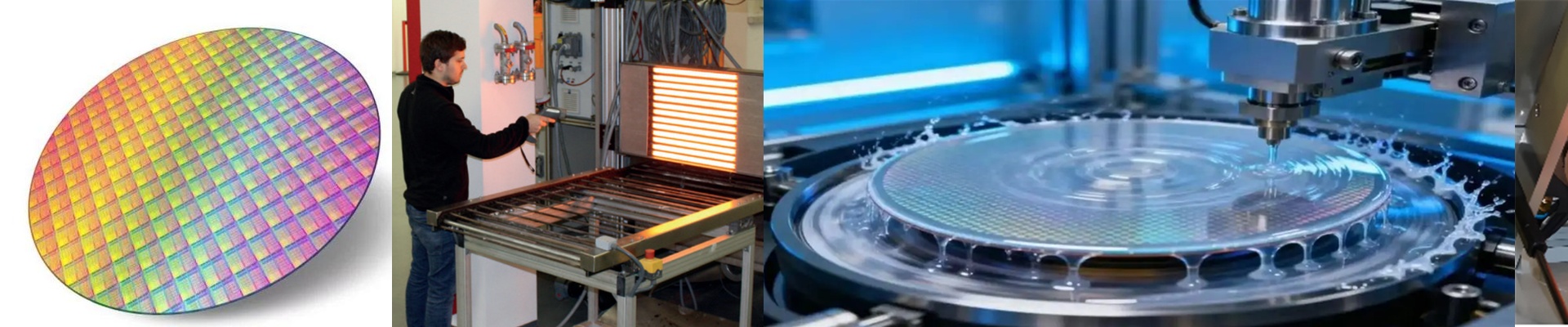
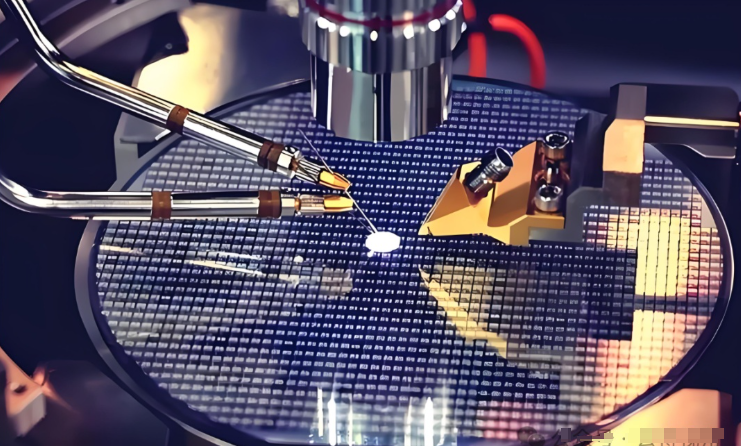
On the fab floor, photoresist bake isn’t optional—it’s your thermal budget. A 1°C swing can move CD, and a particle from a tired reflector can scrap a wafer. The reflector in your curing lamp is the first line of defense for both thermal control and contamination. What matters, technically, is one number: ±0.1°C temperature uniformity across the wafer during soft bake and hard bake. We build the reflector around that, tuning the geometry to give you a repeatable isothermal zone so line-width control doesn’t drift lot to lot. The material is cleanroom-compatible, and the surface finish minimizes outgassing and particle generation. No flaking. No migration. And it holds spectral efficiency across the lamp life, so the setpoint stays the setpoint and the thermal profile stays stable. In lithography, you need bake performance you can count on, every time. This reflector keeps energy distribution consistent, so photoresist flow and solvent removal behave the same on the 300th wafer as on the first. The payoff is fewer reworks, tighter CD distribution, and yield that doesn’t wander. It also fits Class 1–100 cleanroom operation, with particle control that matches the environment. You get uptime because the system isn’t chasing drift. Installation comes down to alignment—hit the lamp axis and the substrate plane. Misalignment kills uniformity and can cook hot spots. Make sure your lamp type and reflector mounting interface line up before integration. Expect a short burn-in after startup to settle the thermal map, then re-qualify the bake profile. Treat the reflector as a consumable tied to process control, and swap it based on measured uniformity and particle trending, not a calendar.