

On the road, cold isn’t just uncomfortable. It steals focus, stiffens joints, and turns an easy evening into a race to stay warm. In an RV, space is at a premium and shore power isn’t always an option, so you need a heater that delivers real warmth without demanding a ton of wattage.
What Matters Technically
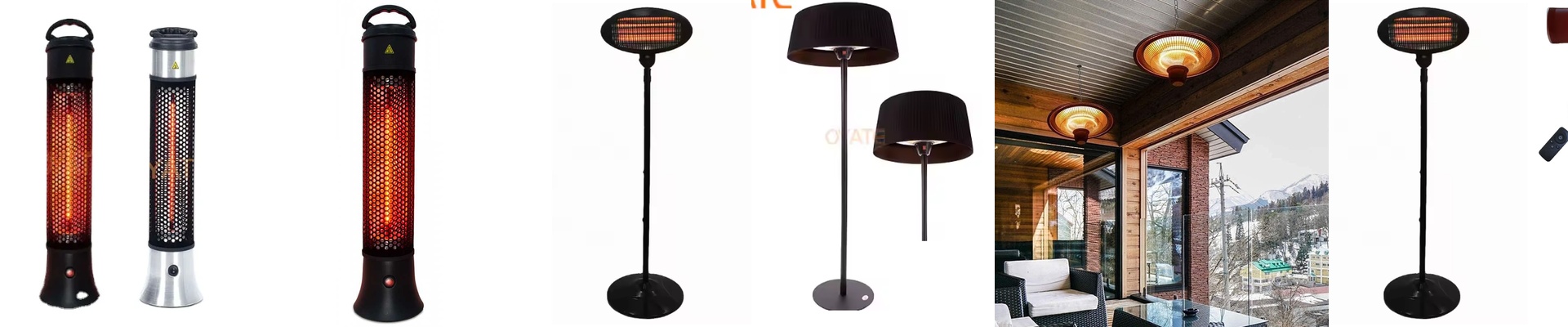
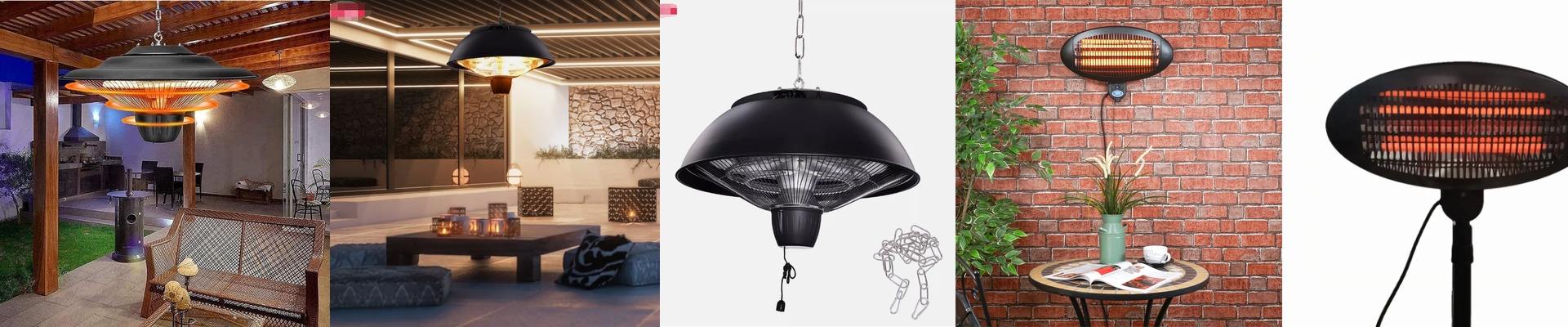
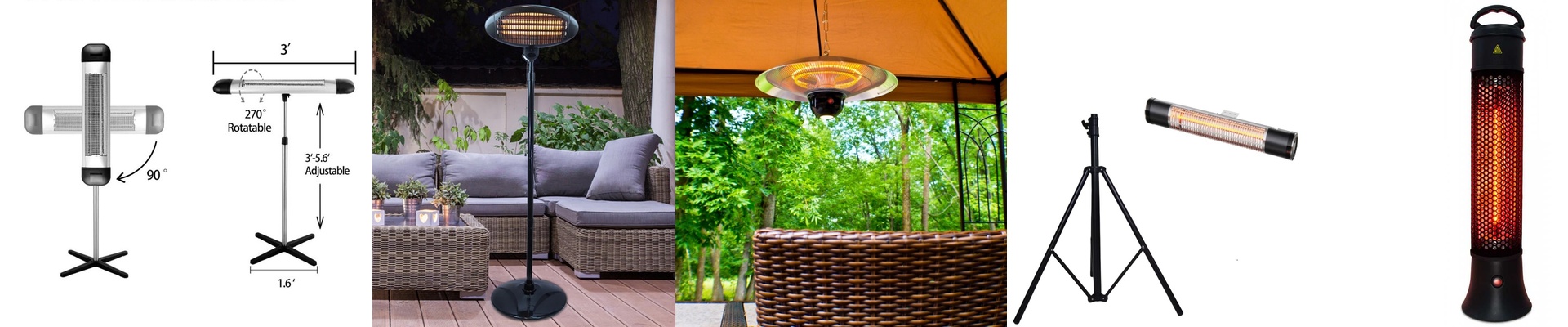
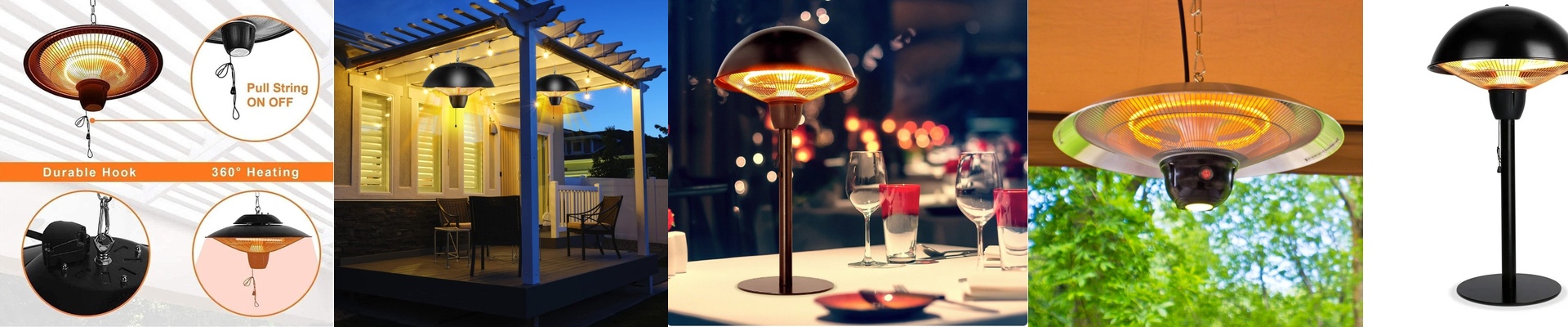
We built this travel electric heater around infrared radiant heat. It doesn’t push air around; it sends warmth straight to the people and surfaces in its line of sight. You feel heat almost immediately, without waiting for the whole cabin to “catch up.” Inside is a quartz tube element. It comes up to temperature fast and stays efficient at low power, pulling only what the heater needs—typically around 600–800W on a low setting. It plugs into 120V, which works on standard campground power and many inverters. The footprint is small, about the size of a table lamp, and it sits low to the floor to fit where space is tight. On the safety side, it has tip-over protection and an outer grill that stays cool to the touch.
Why It Works Here
RV life means chasing seasons and moving from one spot to the next, often far from reliable power. Infrared warmth makes sense because it heats what it reaches, not the entire volume of air. That’s the difference when you’re off-grid: you get comfort right away while using less energy than a forced-air heater that pulls 1,500W. The payoff is longer runtimes on battery and inverter setups, fewer noisy drafts, and a steadier feel underfoot. It’s also that directional warmth that helps circulation and loosens muscles after a long drive or an evening outside.
Things to Know
Infrared heat does its best work when it has a clear line to the people you’re warming. If you want full-room comfort, pair it with an RV-rated convection heater to even out the air temperature. Also, check what you’re running off of. This heater runs on 120V, and even though it’s efficient, it still needs a stable circuit and proper wiring. Keep it away from flammable materials, and never block the front grill—direct exposure to the element is exactly how radiant heat does its job.