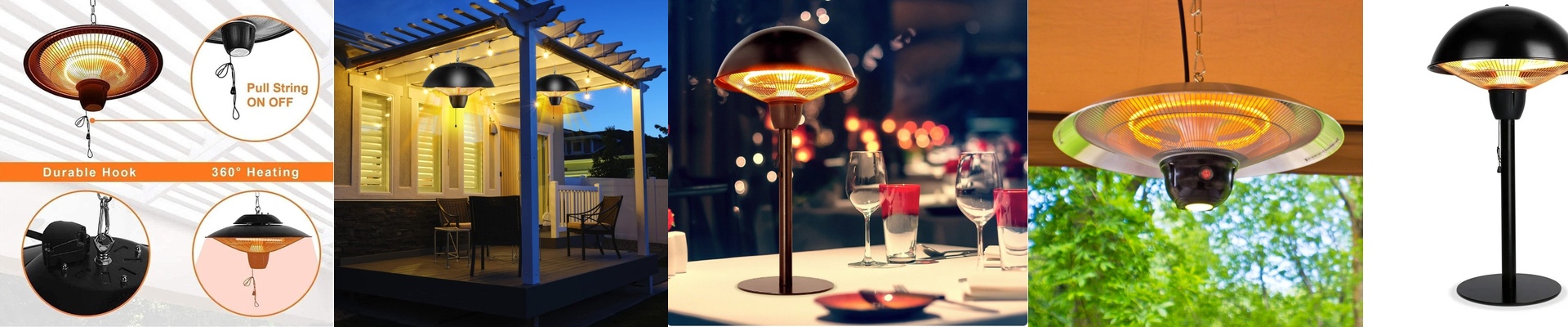
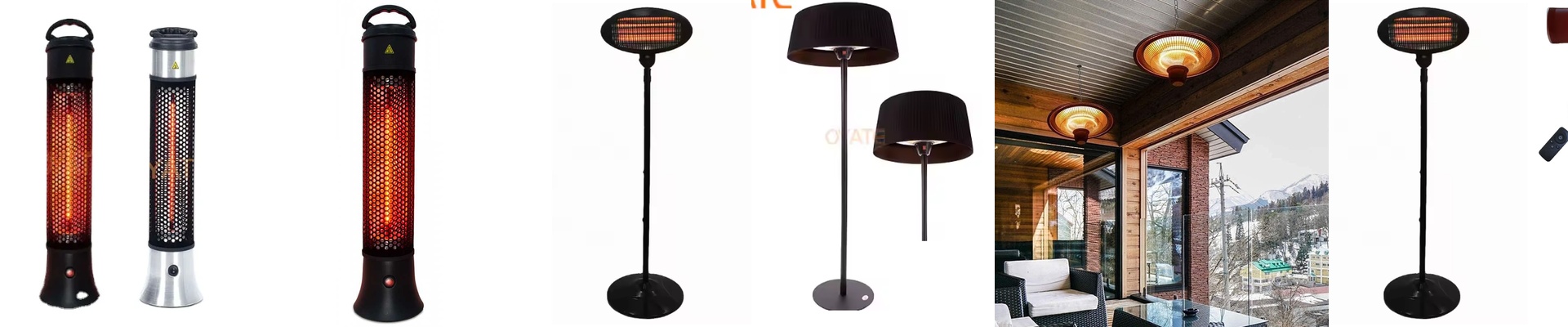
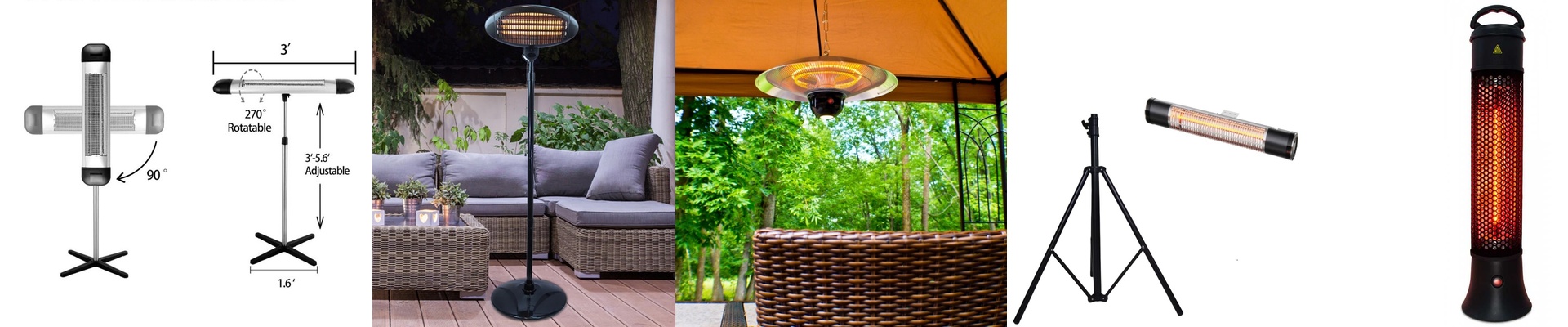
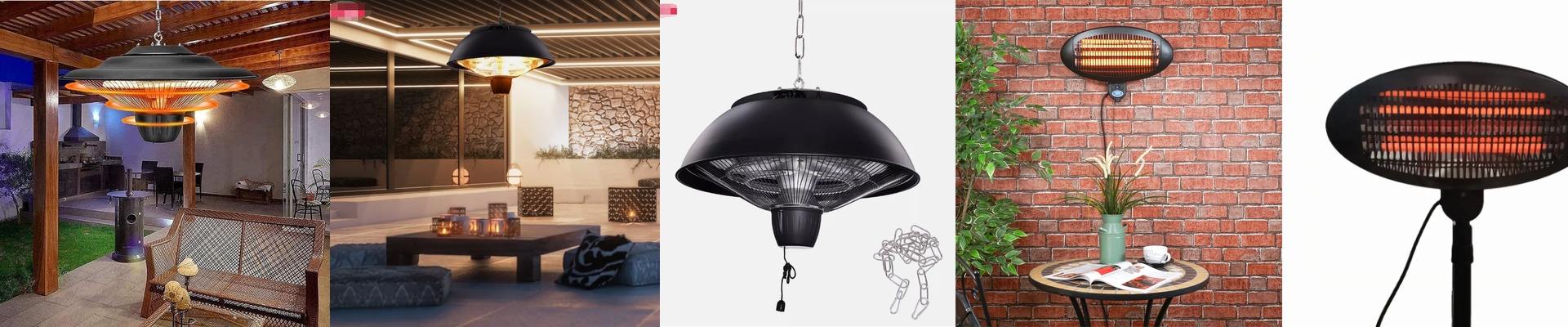

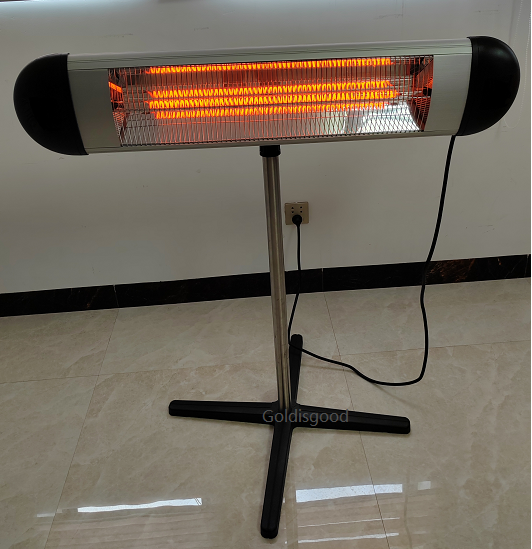
The first real snap of autumn hits, and you don’t want to be tearing into a heater with tools in the dark. You just want warmth, and you want it now. Fast-forward five years, and that same need for reliability turns into a practical question: what happens when the heating element finally needs service? With a lot of heaters, that means a full teardown. With our infrared patio heater, it means a quick swap—because we built the whole unit around a modular heating core. What matters under the hood This is a convector-infused infrared heater, so it delivers radiant warmth that hits people and surfaces directly, while the convection action gently keeps air moving and cuts down cold spots. Inside, the modular element uses a durable quartz tube and a high-efficiency reflector to hold output steady, season after season. It runs on standard 120V or 240V, depending on the model, and the built-in thermostat keeps the temperature comfortable without chasing spikes and dips. For outdoor use, it has an IP rating for light rain and splashes, plus tip-over protection that cuts power if the unit gets knocked off-balance. Why it stays simple in the field The real payoff is maintenance without the headache. When the module finally needs attention after years of use, you get to it with a handful of fasteners, and the swap takes minutes instead of hours. No rewiring. No guesswork. Pop the old module, seat the new one, and you’re back on—keeping outdoor evenings cozy, keeping comfort consistent, and keeping the energy going where it should: into heat, not waste. A couple of practical notes Because the module is designed for quick replacement, you do need a little clearance around the access panel for hands and tools. When you plan the mount, leave a few inches of service space. And if you’re running in a windy spot, the best comfort comes from sheltered mounting—infrared warmth is immediate, but wind will thin out the felt heat at skin level.