Stop the Shivers: Fixing Cold Spots in Factory Changing Rooms
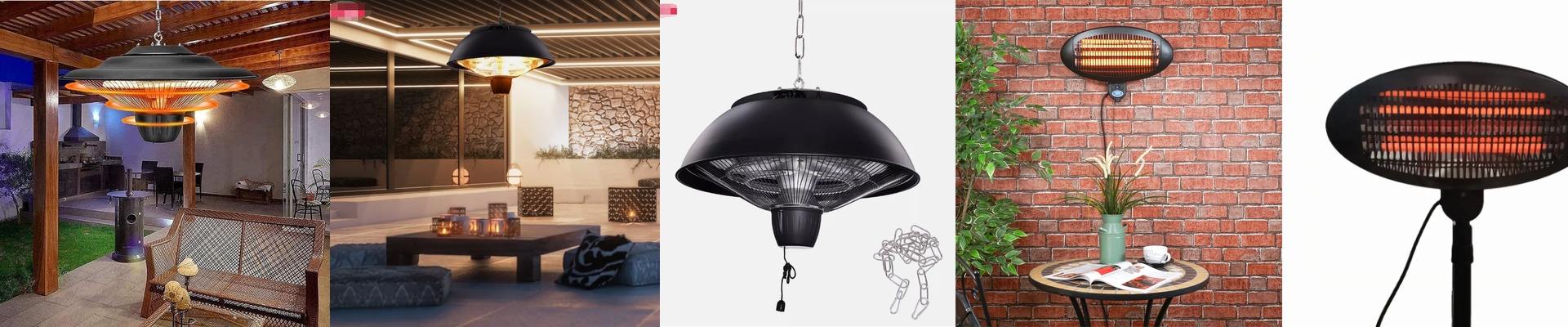
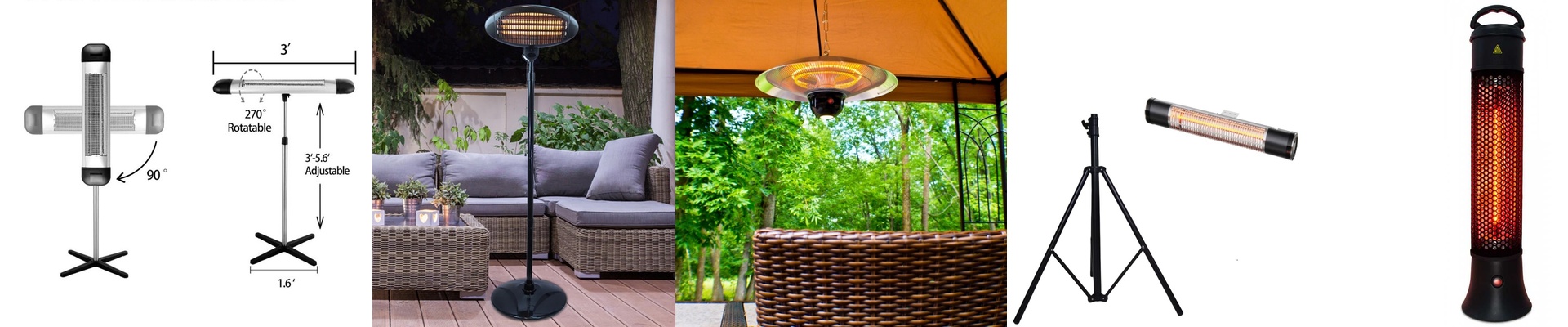
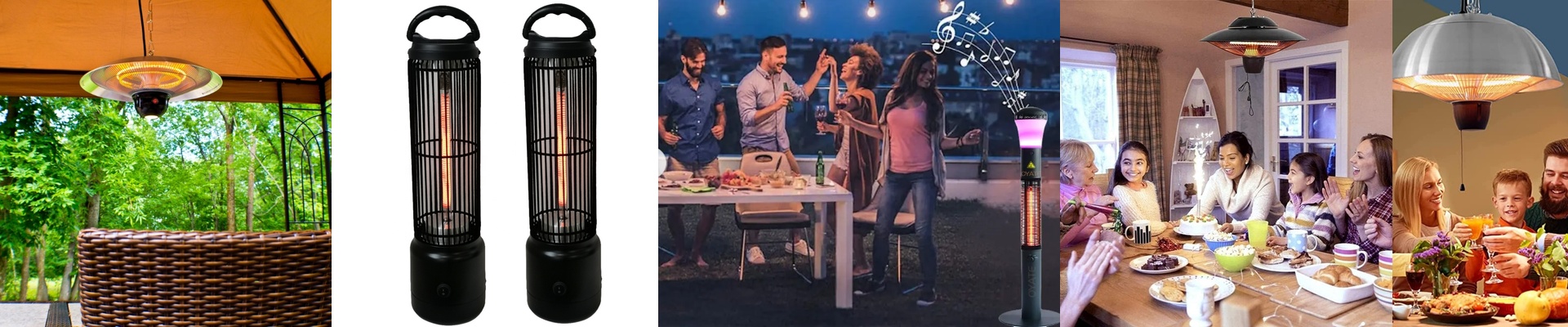
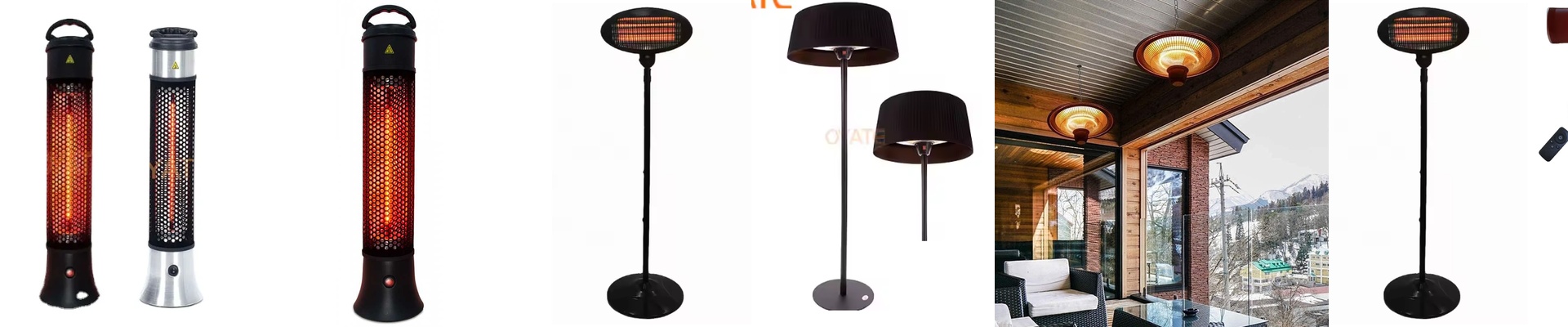
Trying to heat a factory changing room with high ceilings is usually a losing battle. If you’re using standard forced-air heaters, you’re basically just heating the roof. The warm air floats straight up, leaving your team shivering at floor level while they’re trying to get dressed. We deal with this by using short-wave infrared radiators. Instead of trying to warm up every cubic inch of air in the room, these units go straight for the target. They heat the people and the objects in the room directly. Heat that actually hits you Think of it like stepping into the sun on a crisp autumn morning. You don’t wait for the air around you to warm up—you just feel the heat on your skin immediately. That’s exactly how these radiators work. The second you flip the switch, the element hits temperature. No waiting around for a blower to circulate air. You step into the zone, and you’re warm. Period. Dealing with the height When you’re mounting heaters 5 to 8 meters up, you can’t just throw any lamp up there. You need some real power. We use focused reflectors to push that heat down in a controlled cone. Without that focus, the heat just wanders off into the roof trusses and vanishes. The trick is balancing the wattage with the mounting height so that by the time the heat reaches the floor, it’s still strong enough to actually make a difference. The practical side of things Wiring these into a factory grid is pretty simple, but keep an eye on the initial power surge. These things pull a lot of juice. One thing to watch out for: if you overdo the wattage to make up for a drafty building, you’ll end up with “hot spots.” Basically, anyone standing directly under the lamp will feel like they’re being grilled. To fix that, we suggest using dimmable controllers. It lets you dial the heat back in the spring and crank it up in January. Then there’s the “shadow effect.” Since radiant heat travels in a straight line, it can’t bend around corners. If you’ve got a massive locker or a structural pillar in the way, the area behind it stays cold. You can’t just guess where the heaters go. You have to map out the room and the furniture first to make sure everyone gets a fair share of the warmth.