
Introduction
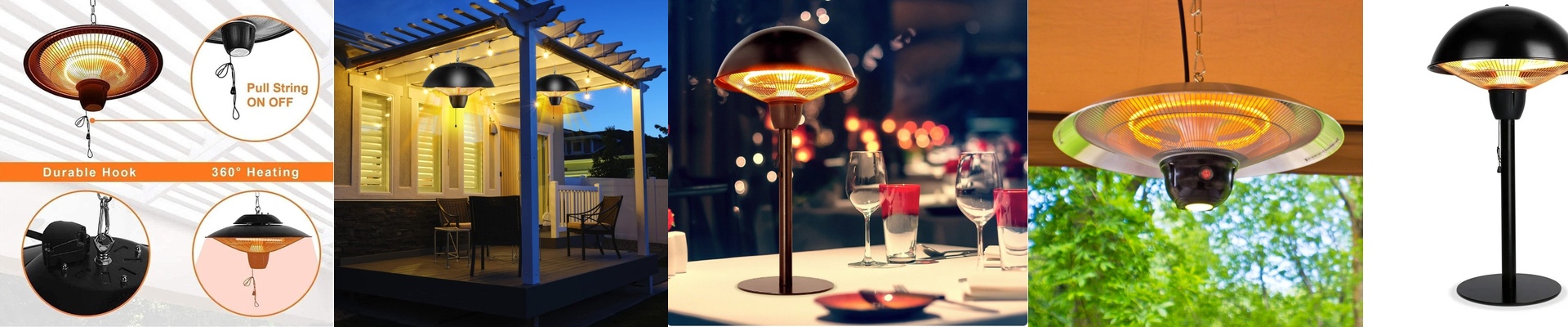
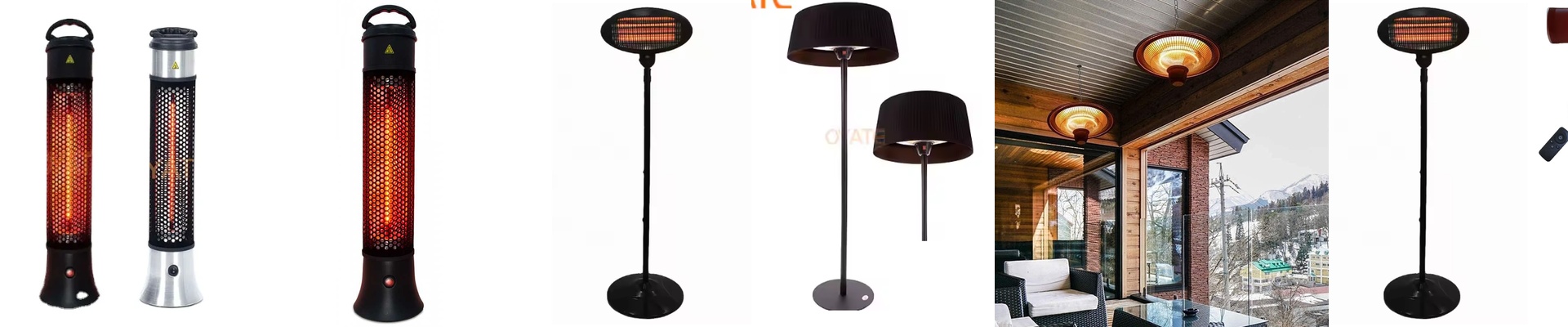
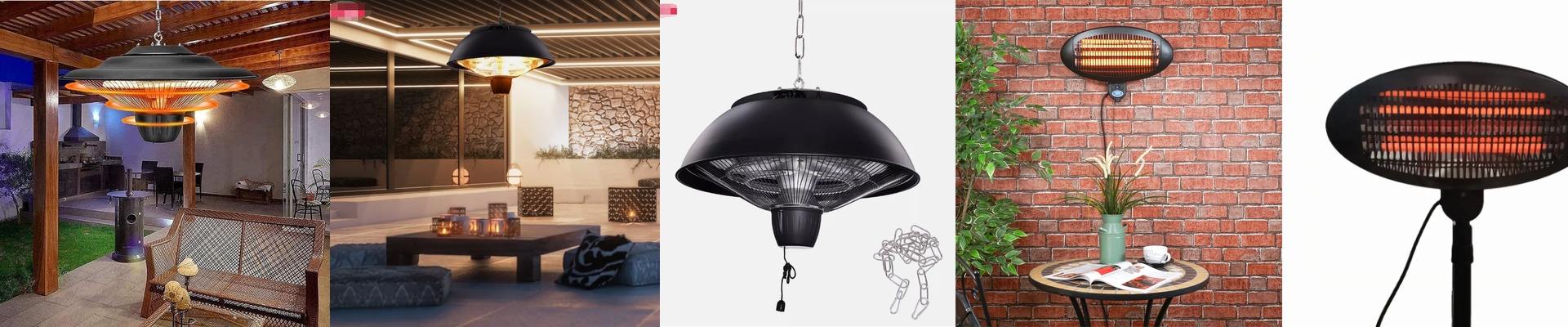
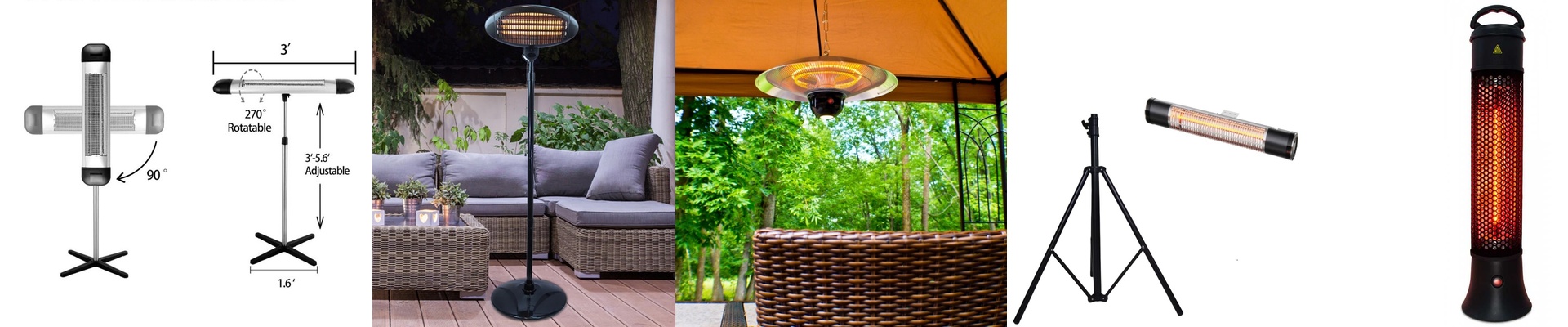
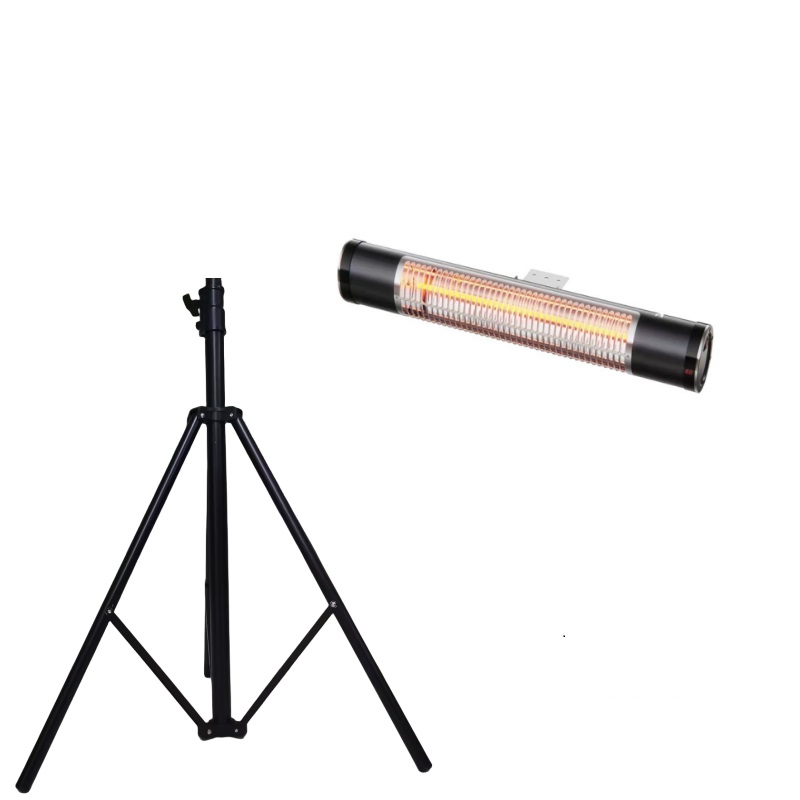
We built this 1500W Infrared Ceiling Heater for the places that feel half-in, half-out—like your gazebo. It throws off focused radiant heat, warming people and furniture directly instead of wasting energy on the empty air. Compact, strong, and out of the way. That’s the idea.
How It Works (Without the Tech-Speak)
The 1500W rating isn’t random. It’s a smart balance between serious warmth and what most outdoor setups can handle electrically. In a typical gazebo, that wattage gives you enough oomph to make the space feel noticeably warmer—without tripping breakers. And because it’s meant to live overhead, the heat comes down where you actually feel it. That also keeps the unit up and away from hands, feet, and furniture. The beam spreads in a clean pattern, so you get coverage right where you need it.
Materials and Design—Built for the Outdoors
At the heart is an infrared emitter made to take real weather. The quartz envelope handles quick heating and cooling without cracking, and it shrugs off the kind of stress that wrecks regular glass. Inside, the filament is tuned to produce short-wave infrared—exactly the kind that cuts through the air and delivers heat straight to surfaces. In a breezy, semi-open space, that’s the difference. Installation is straightforward. It uses a standard interface, so it mounts quickly to a rated ceiling bracket. You can wire it up and set it without needing a truckload of specialty tools.
Why This Matters When You’re Actually Sitting Out There
Traditional convection heaters fight a losing battle in a gazebo. Warm air rises and drifts away the moment a breeze comes through. This heater sidesteps the problem. It warms you and your furniture directly. The result? You feel the comfort faster, and the area where you’re sitting stays cozy. A practical heads-up: with 1500W packed into a ceiling unit, you’ll get some concentrated heat right at the mounting point. Make sure the surface and nearby materials can handle higher temps, and keep the required clearances. That’s simply the trade you make for a lot of heat in a small footprint. And here’s a nice bonus—by warming surfaces, it helps keep condensation from forming. Less moisture hanging around means fewer conditions that invite mold and mildew. If you’re planning outdoor comfort, this is the kind of heat source that just does its job quietly, cleanly, and without getting in the way.