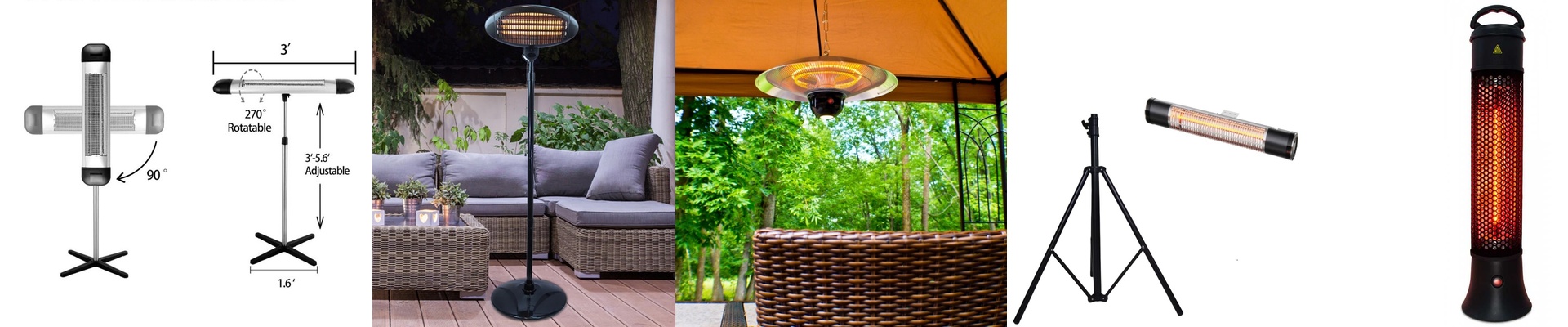
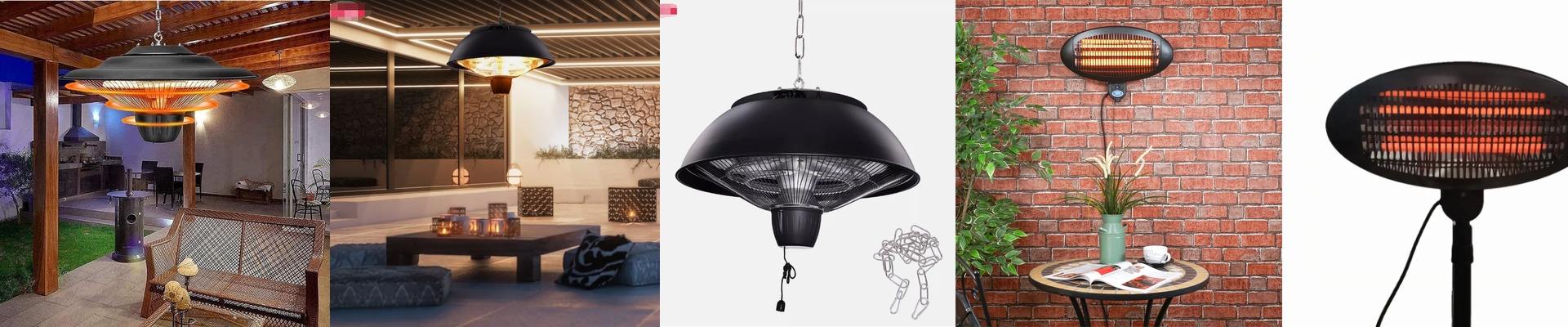
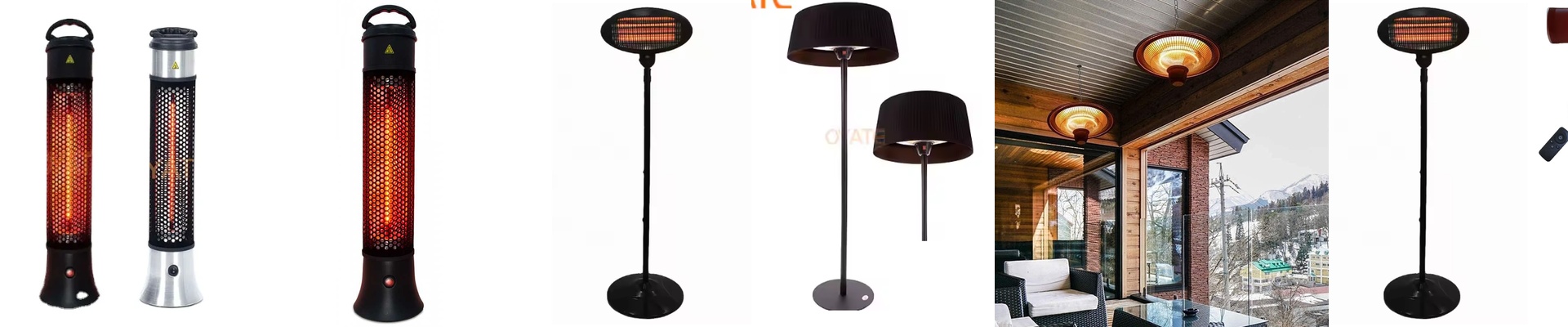

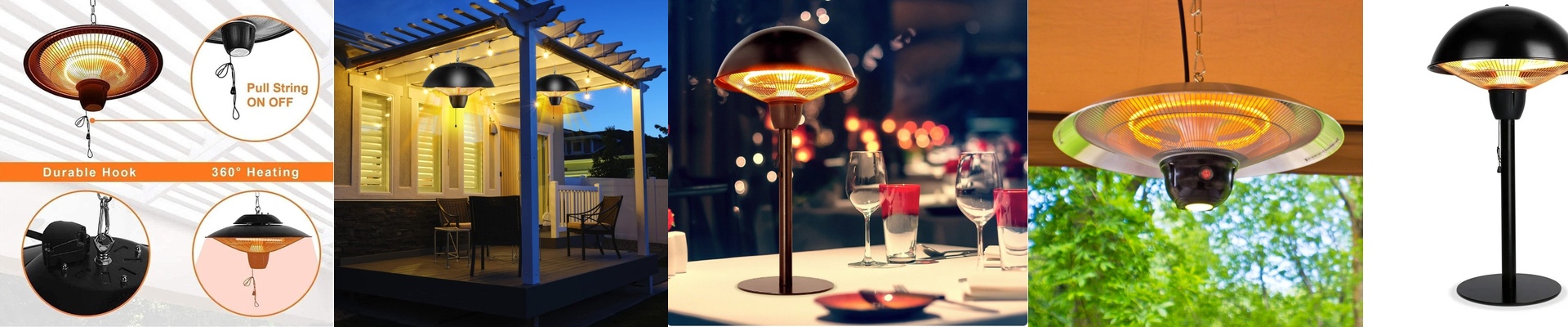
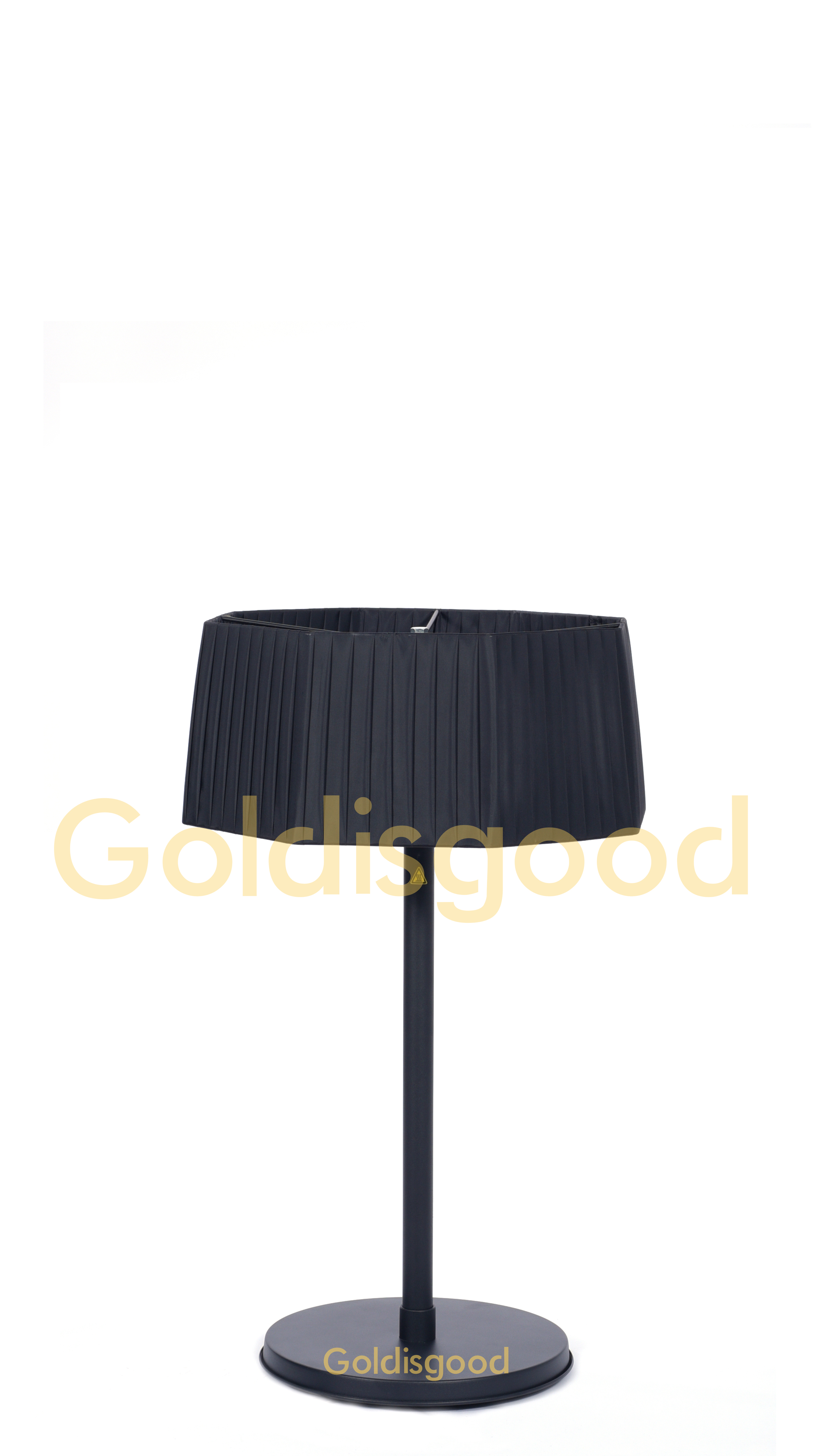
In a half-open commercial corridor, comfort isn’t a perk—it’s what keeps customers moving and staff on point. When the air bites, foot traffic stalls and teams get cold, and that costs you. The old way—heaters blasting full output whether anyone’s around—just throws money away.
What matters under the hood
We built this infrared heater around a direct-heat carbon fiber element. It throws radiant warmth outward, heating people and surfaces first. You get heat the moment you need it, without having to warm the entire volume of air. It runs off a standard electric supply, and the integrated thermostat holds the set point without chasing the temperature all over the place. Comfort stays steady, not a roller coaster. The efficiency trick is the smart sensor. It watches a defined zone and drops the heater to low when the corridor is quiet, then ramps back to full when someone approaches. For hands-free control, the remote lets you adjust output and set schedules from across the room, so you can tune the heat without leaving your post.
Why this fits a semi-open corridor
In a semi-open commercial corridor, the goal is simple: keep people comfortable while keeping energy use disciplined. Infrared warmth delivers that targeted feel, and the smart sensor cuts waste by matching heat to real use. You still get immediate comfort when the day turns cold, but you stop paying for heat when the walkway sits empty. For operations that care about sustainability, this supports responsible, measurable energy habits—without making guests feel the compromise. Staff step in and feel the warmth right away, and customers get a welcoming temperature that isn’t overblown.
What to keep in mind
The sensor depends on line-of-sight, so placement is everything. Don’t mount it where heavy shadows or glare can confuse detection, and keep the detection area aimed along the main flow of traffic. This heater is built for sheltered outdoor and semi-enclosed areas. If it faces direct driving rain, use an IP-rated enclosure or choose a protected mounting spot. Plan the wiring with proper protection and follow local codes, and you’ll get steady, low-effort performance season after season.