On the fab floor, a 2°C drift during photoresist bake is enough to scrap a whole lot. Yield doesn’t move when you’re guessing. You need thermal control that acts like a fixed constant, not another variable.
Infrared heating: sub-millimeter uniformity and repeatability
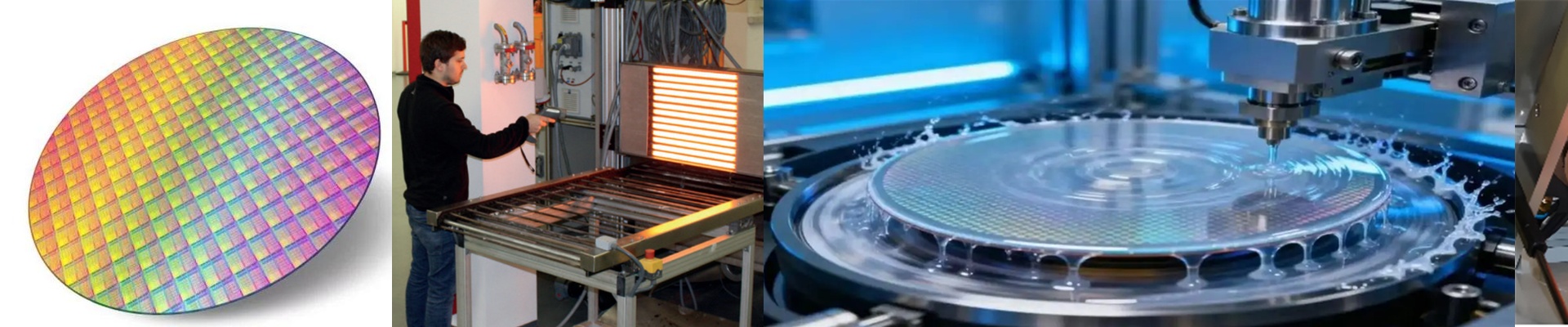
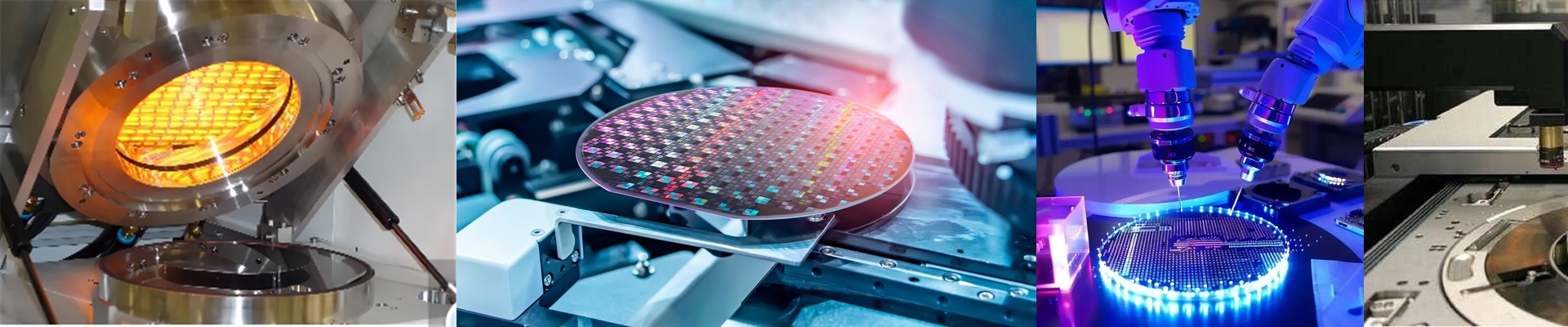
We built the infrared lamp socket around a stable NIR emission profile and a geometry that constrains the thermal field. The payoff is heat distribution across the wafer plane that’s uniform to sub-millimeter, with wafer-level temperature repeatability tight enough to protect your thermal budget. In practice, that means soft bake and hard bake profiles stay in spec, line-width control holds, and the same setpoint gives you the same outcome shift after shift.
Why it holds up in wafer tools
Wafer tools demand cleanroom-compatible hardware that doesn’t turn into a particle source. The socket housing uses materials and finishes chosen for low outgassing and easy cleaning, so it supports Class 1–100 environments without adding contamination risk. Photoresist baking gets predictable: less edge-to-center variation, fewer reworks, and more consistent film thickness. It also runs with high electrical-to-thermal efficiency, which cuts energy draw and reduces heat load on the tool enclosure. Fewer thermal excursions, more uptime.
Installation and compatibility—what to expect
The socket interfaces are tool-matched for a fast retrofit, but alignment tolerances are tight. Plan on a short setup window to confirm lamp seating, reflector position, and thermal sensor coupling. Performance hinges on stable coolant flow and clean electrical contacts—treat those as part of the process control loop. And keep output stable by scheduling lamp replacement on hours, not on failure, so particle counts stay low.