
Stop Fighting Your Heaters: A Better Way to Handle Maintenance
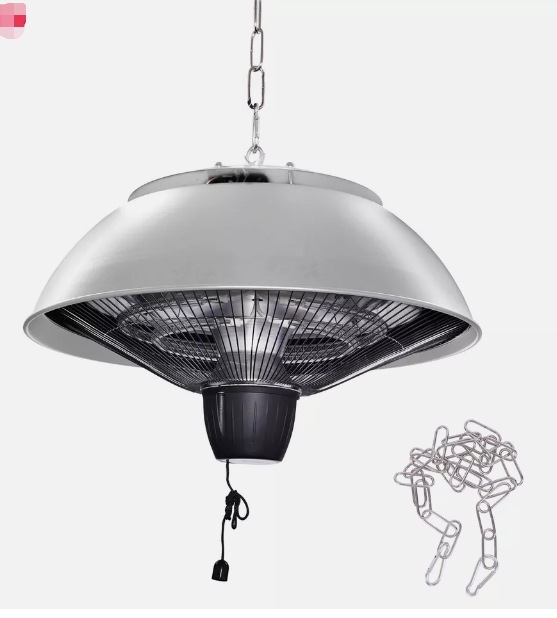
Here is the reality of industrial heating: eventually, a tube is going to burn out. It might take five years, but it happens. And usually, that’s when the real nightmare starts. You aren’t just paying for a new part. You’re paying for the hours of dead production while some poor technician sweats through their shirt trying to pry open a sealed housing that wasn’t meant to be opened. It’s frustrating. It’s slow. And it’s a waste of time. We got tired of that, so we changed how we build our IP65 infrared heaters. Making swaps actually fast Most IP65 heaters are built like solid bricks to keep the dust and water out. That’s fine until you need to fix something. Usually, you have to rip out the entire assembly just to replace one single lamp. We decided to split things up. We decoupled the heating module from the main chassis. Now, you can just slide the heating element right out. The best part? You don’t have to break the main seal of the machine to do it. We also ditched the complex wiring. No more field soldering or wrestling with tangled leads. We use quick-connect terminals now. You unplug the dead module, drop in a fresh one, and lock it down. It turns a four-hour teardown into a ten-minute job.**Ten minutes.**That’s the difference between a quick fix and a ruined afternoon. The trade-off (because there’s always one) Keeping things water-tight while making them easy to open is a tricky balance. We use compression-sealed gaskets that hold their grip, even after you’ve swapped parts a dozen times. Now, full disclosure: since it’s modular and not one solid welded piece, you might lose a tiny bit of heat efficiency at the very edges. It’s a small dip. But honestly? I’ll take a 1% drop in edge-heat over spending half a day dismantling a machine any day of the week. A quick tip for your shop floor When you’re setting up your line, give your team some breathing room. Check the “knuckle room” around the heater. Our Design makes the swap easy, but you still need space to actually reach in without having to move three other pieces of equipment first. One more thing: watch your cooling fans. If they’re pointed the wrong way, they can blow dust and debris right into those modular gaps while you’re working. Keep your airflow pointed away from the access panels, and your internals will stay clean.