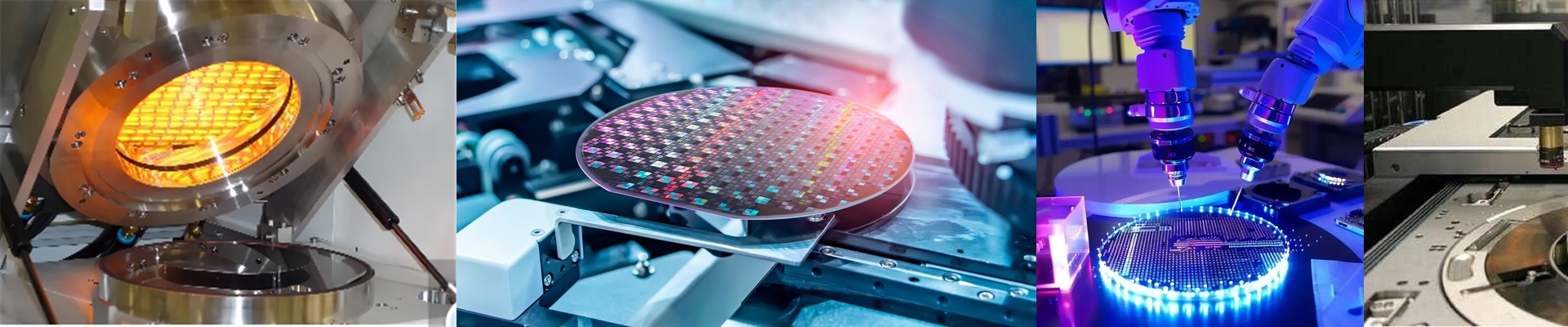
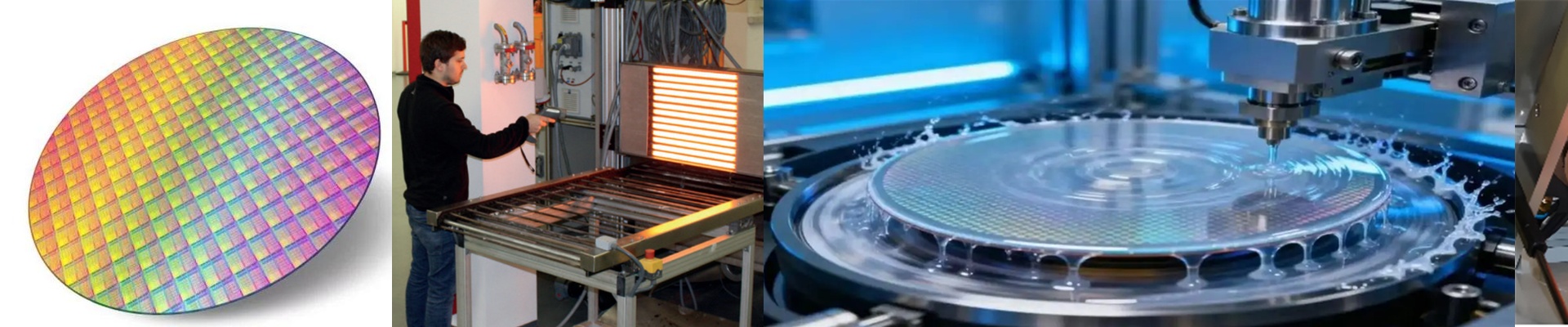
On the fab floor, a 0.3°C drift during the photoresist bake is enough to turn a whole lot into scrap. You’re already chasing CD uniformity, resist profile, and particle count, and thermal variability keeps eating into yield and uptime. We built the semiconductor laser diode heater to cut that drift off at the source. What matters, technically The unit teams a laser-diode source with an engineered thermal stack to hit wafer-level uniformity of ±0.1°C across the bake surface. Response time is under 300 ms, so temperature settles quickly after door open/close events, and run-to-run repeatability holds within ±0.05°C. The heater body is quartz and high-purity ceramic, with no binder outgassing, and it runs clean in Class 1–100 environments, keeping particle generation below 0.1 particle/cm². It’s closed-loop, with a calibrated sensor mapped across multiple zones, so you can apply recipe-driven compensation for edge effects. Here is why it holds up in lithography. Soft bake and hard bake set the resist viscosity, adhesion, and critical dimension. When the thermal budget stays stable, you get a tighter CD distribution, fewer reworks, and less scrap from bridged features or footing. That same stability cuts unplanned stops—no more bake-plate faults, no more waiting for the plate to settle. Energy use drops, too, because the fast settle and tight regulation kill the overshoot and idle heat that waste power. And if you run packaging lines that depend on controlled heating for die attach prep, the repeatability carries straight through. You see fewer voids and higher first-pass attachment. A few practical notes before you spec it in. The heater works with standard tool interfaces, but the thermal map has to be aligned to your plate geometry and sensor locations during install. Expect a short commissioning run to nail down zone offsets and recipe limits. The optics need a clean, dry air or nitrogen purge to keep output stable. Treat the window as a consumable and bake replacement intervals into your PM schedule.