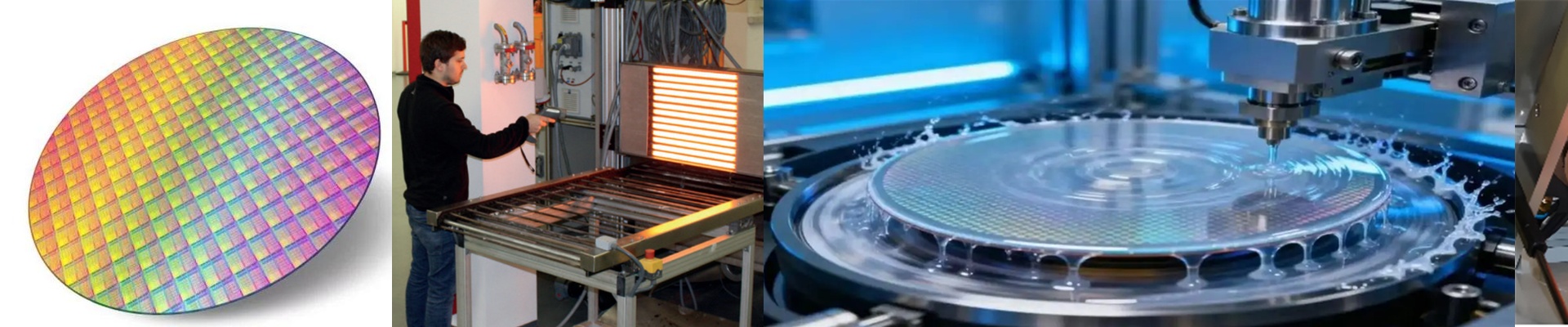
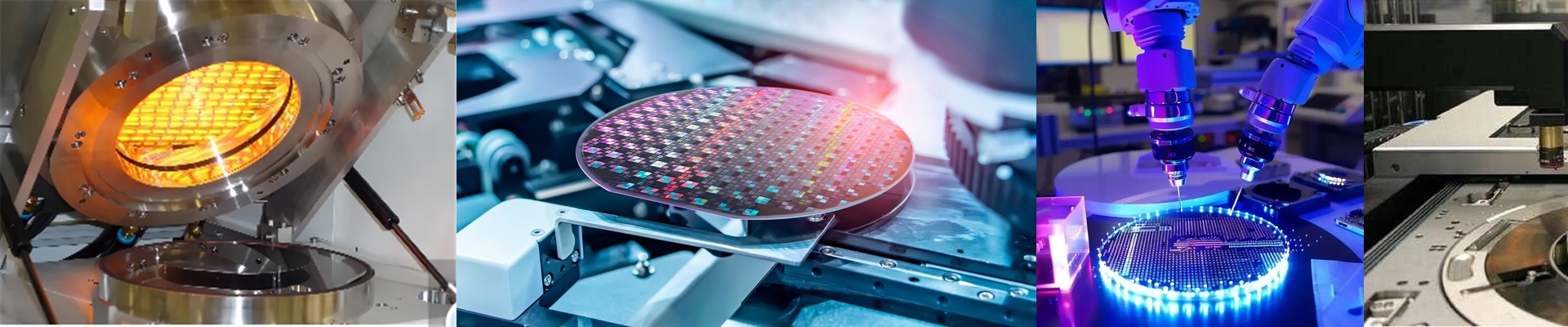
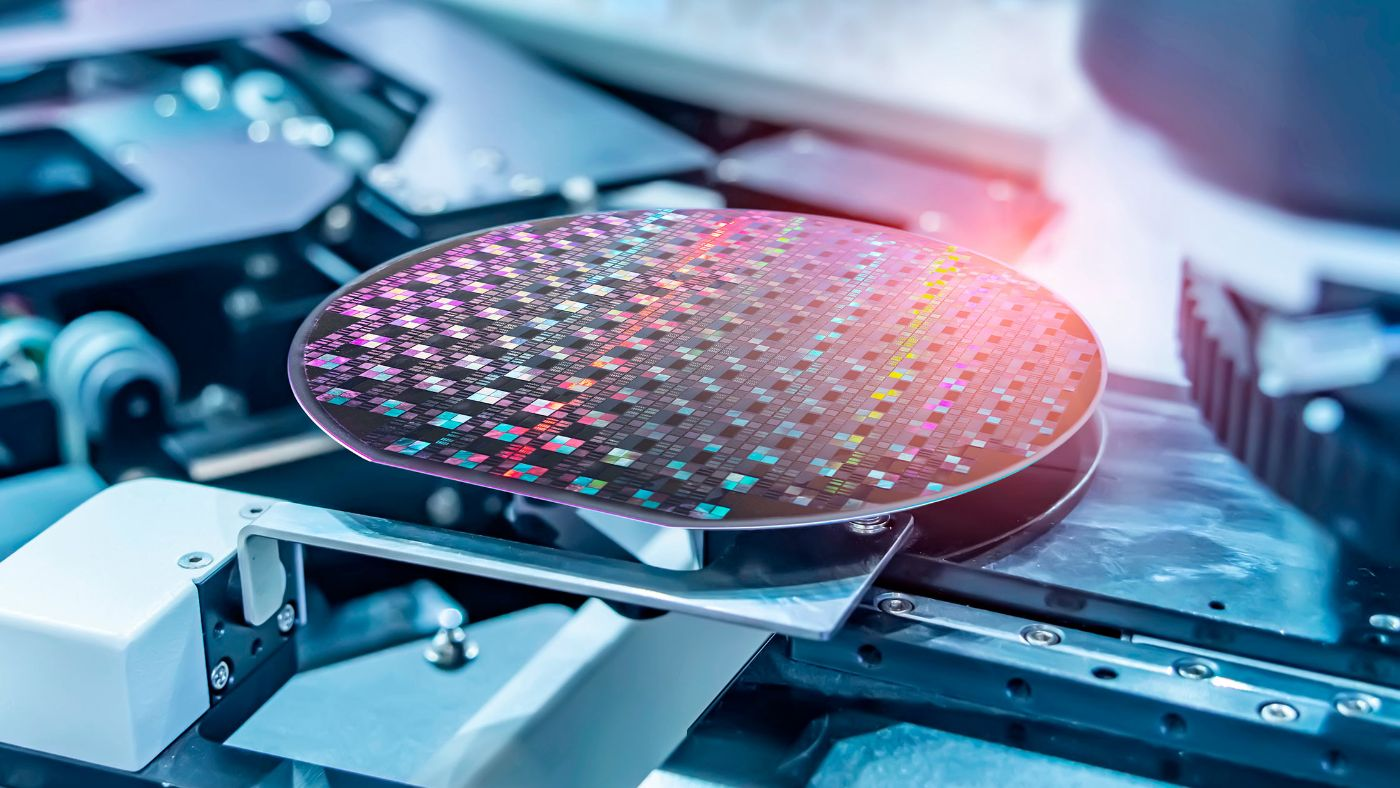
On the litho floor, a 0.3°C drift during photoresist bake is enough to move critical dimension control and scrap a whole lot. You don’t chase stability after the fact. You design it into the thermal stack.
What matters, technically
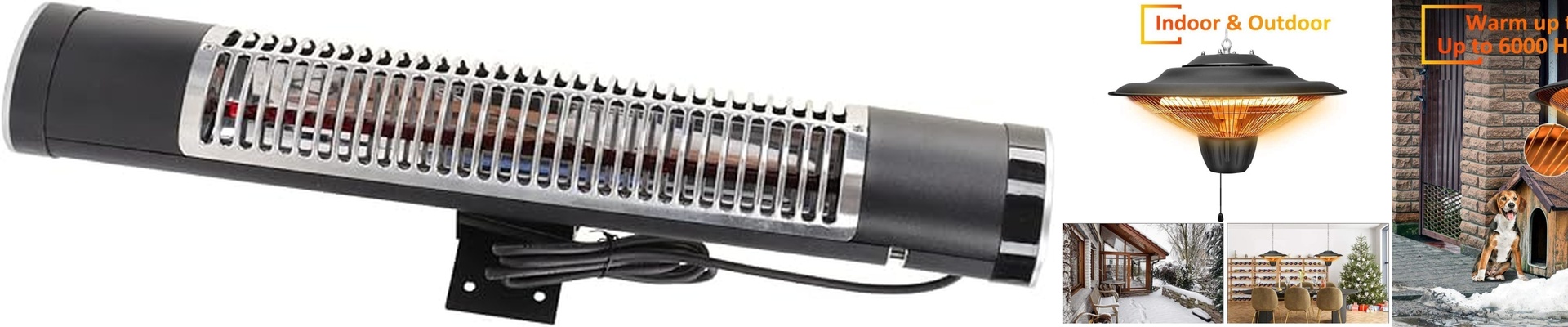
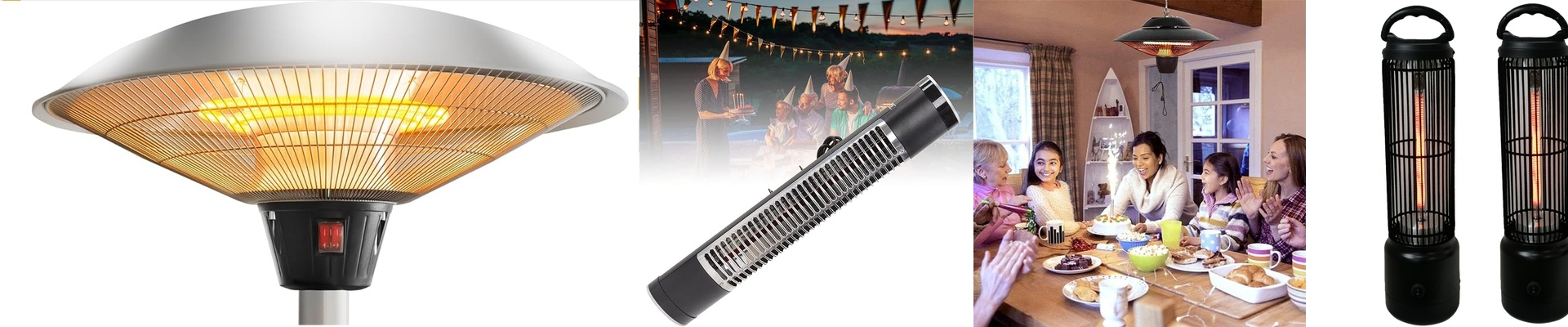
We built this fab-rated IR voltage regulator for the infrared heating nodes where temperature uniformity isn’t a goal—it’s the spec. It delivers stable, low-ripple output that holds halogen and quartz IR sources at fixed irradiance, so wafer-level thermal uniformity stays within ±0.1°C across the bake surface. The control path is tuned to settle fast with minimal overshoot, so soft bake and hard bake profiles repeat run-to-run without constant compensation. Cleanroom compatibility is baked in: low-outgassing materials, sealed enclosures, and internal routing that keeps particle generation at zero.
Why it holds up in production
In practice, your resist profile stays locked—no footing, no scum, no standing wave artifacts. Process windows widen because the thermal budget isn’t being eaten up by controller chatter and lamp aging. Energy use drops, too, since the regulator cuts out wasteful duty-cycle oscillation. Expect fewer lamp swaps, less maintenance labor, and uptime that keeps pace with a 24/7 fab cadence. The payoff is predictable yield and fewer surprise stops in the middle of a high-mix lot.
The fine points you need to plan for
Matching matters. The regulator has to be paired with the exact lamp type and the same optics path to hit that uniformity; swap emitters without re-tuning, and the thermal map shifts. Installation also needs dedicated line conditioning—voltage transients on the fab bus can turn into irradiance noise. Plan the integration early, and the unit will just sit there, quiet and stable, as part of the process stack.