Stop Wasting Your Heat
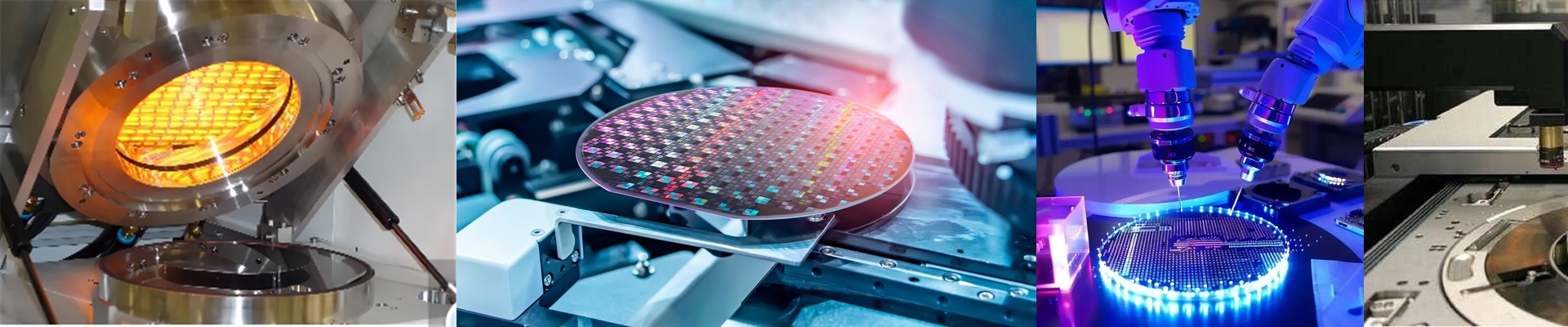
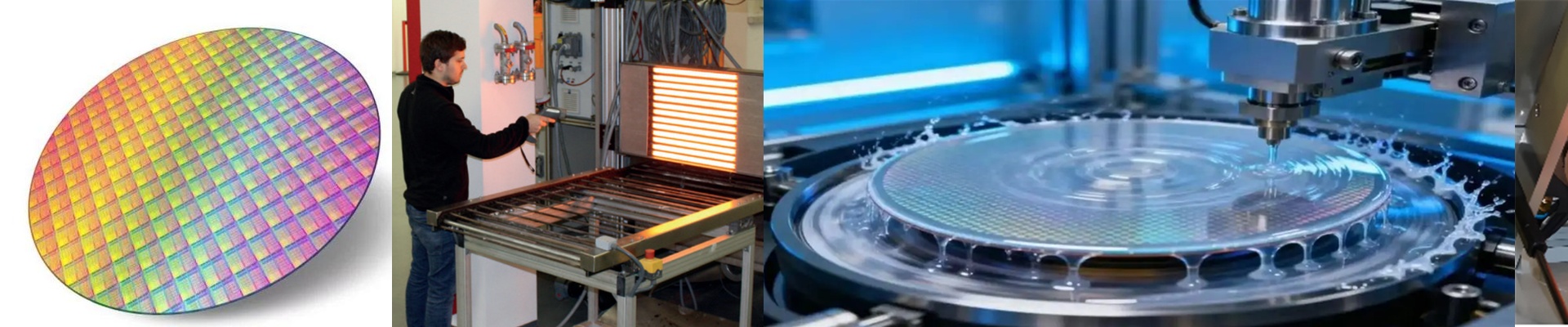
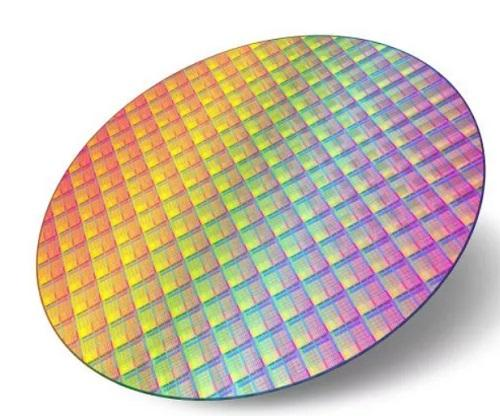
When you’re heating silicon wafers, every single watt matters. Here’s the problem: standard IR emitters throw energy in every direction. They radiate in a full 360-degree circle. That means half your power is just heating up the machine’s chassis instead of the wafer. It’s a waste. We fix this by using gold-coated reflectors and high-purity ceramic end caps. Basically, we force all that energy to go exactly where it belongs: straight down. Why gold? Because it’s the best at bouncing infrared wavelengths back. We use a thin-film gold layer because, unlike aluminum, gold doesn’t oxidize when things get hot. You won’t deal with that annoying “clouding over” effect after a few hundred hours of use. It stays crisp. The result? You get a much stronger heat flux on the wafer surface, but your power bill stays the same. The unsung heroes: Ceramic end caps These are the bridge between your quartz tube and the electrical leads. We build them to take a beating from extreme thermal cycling. They stop electrical arcing and keep the emitter locked in place. This is huge. If your alignment shifts by even a couple of millimeters, you’ll get “hot spots” across the wafer. And hot spots mean scrapped parts. Nobody wants that. A few things to keep in mind These setups pack a punch. You’ll see much faster ramp-up times, which is great for productivity. But there’s a catch. All that concentrated heat puts a lot of pressure on your cooling manifold. If your cooling isn’t up to the task, you might actually warp the reflector housing. Just something to double-check. We designed these to be drop-in replacements for cleanrooms. You can wire them right into your current power supply. Just make sure you tune your PID controllers for the faster thermal response—they’ll react a lot quicker than you’re used to. One last tip: gold is soft. Please, for the love of your efficiency, stay away from abrasive cleaners on the reflector. Scratch the film, and you’ve killed the magic.