Keeping IR Heaters Safe in Volatile Chemical Zones
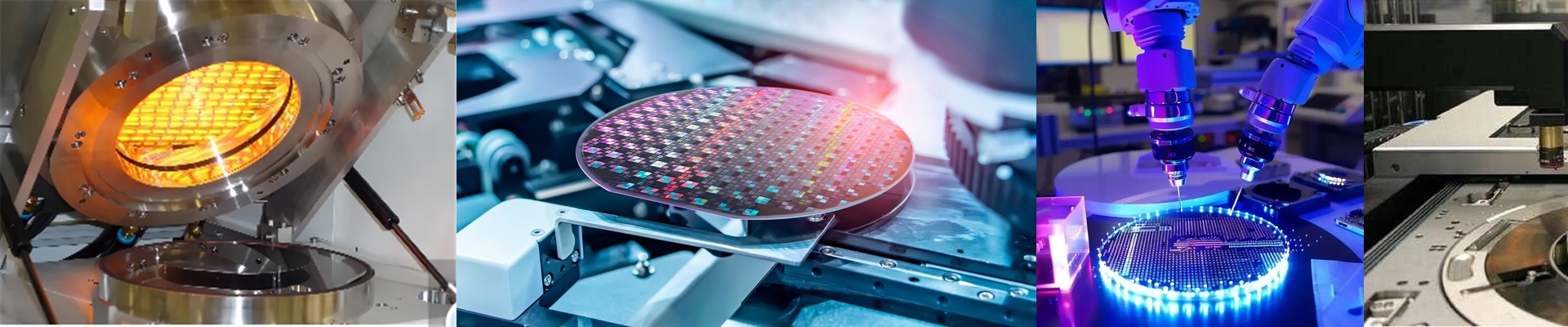
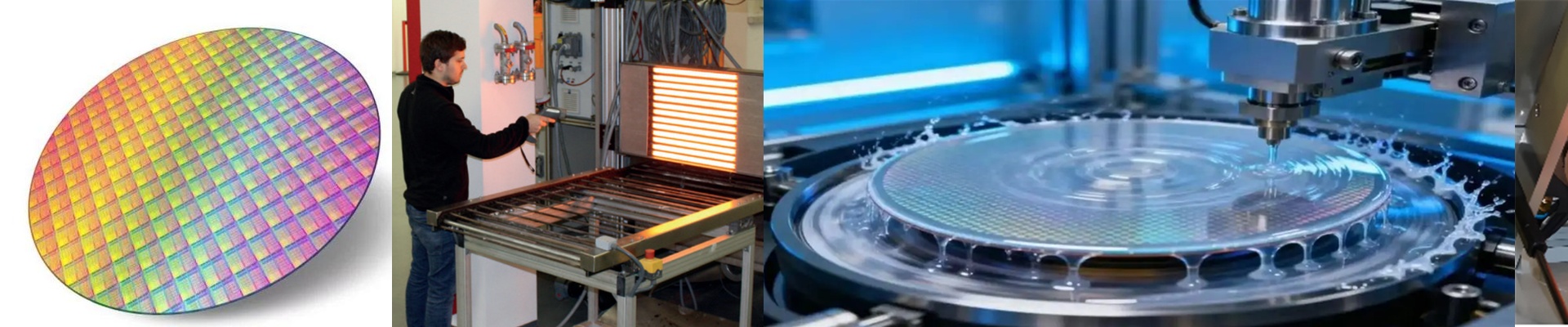
Let’s be honest: wafer cleaning is a risky business. You’re dealing with flammable solvents and corrosive vapors that just want to eat through everything. In an environment like that, a standard infrared lamp isn’t just a tool—it’s a liability. One tiny spark or a leaky housing, and you’re looking at a disaster. We don’t take those chances. Instead of using open-air mounts, we wrap everything in specialized hermetic encapsulation. How the sealing actually works The goal is simple: keep the volatile gases away from the energized parts. We seal the lamps inside high-purity quartz or glass that can actually handle the chemical abuse. We use weld-sealed feedthroughs and specific gaskets to make sure the inside stays isolated from the “chemical fog” outside. If we didn’t do this, the chemicals would just etch the quartz tube until it burned out. And we’re picky about the sealants. We only use stuff that won’t melt or degrade when it hits acids or bases. Because if that seal fails? Those flammable vapors hit a hot filament, and things go south very quickly. For us, it’s all about the integrity of where the seal meets the metal. The trade-off: Heat vs. Safety Here’s the catch. When you add a safety shell, you’re putting a layer of material between your heat source and the wafer. You lose some of that direct IR transmission. To fix that, we just pump up the wattage density. It keeps your ramp-up speeds where they need to be, so you aren’t sacrificing performance for safety. One heads-up: you’ll need to tweak your PID controllers. The encapsulation creates a bit of thermal lag, so the system won’t react quite as instantly as a bare lamp would. It takes a second to catch up. Living with the hardware Nobody wants to spend their whole weekend rebuilding a safety housing just because a lamp died. That’s why we designed these for quick swaps. We use reinforced connectors that lock right into place. It’s a satisfying click that tells you it’s secure, which also means you don’t have to worry about electrical arcs during installation. Just one last thing—check your ventilation. These housings hold onto heat, and if your airflow isn’t spec’d for it, you might end up overheating your surrounding sensors.