Introduction
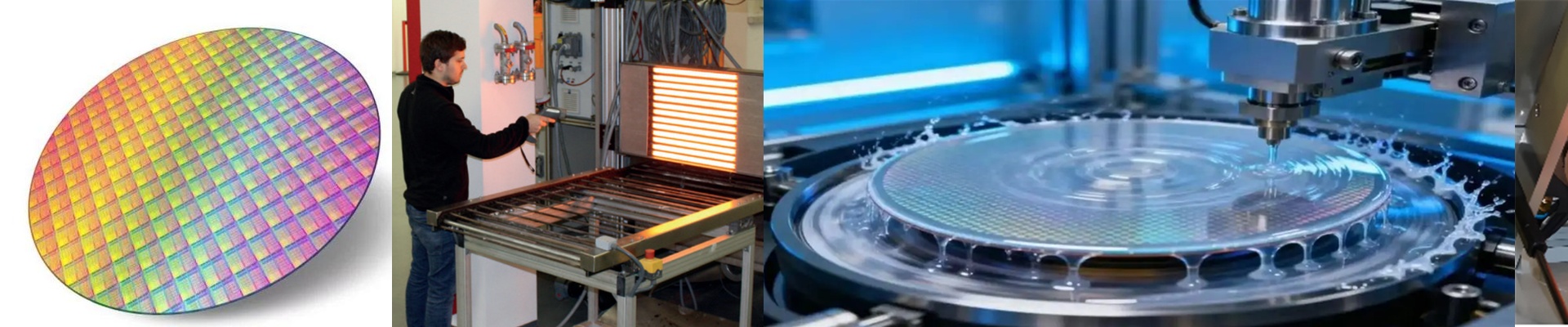
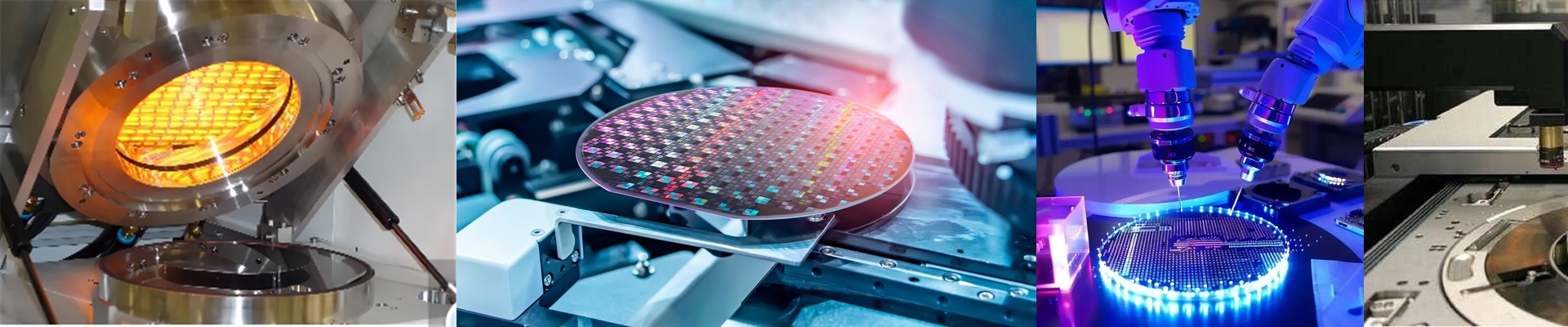
We built this smart infrared heating system for one specific place: the front lines of semiconductor packaging. The mission was simple—get heat where it’s needed, fast and precise, and do it without wasting energy. This isn’t just another heater. It was designed to replace those clunky gas systems and broad-spectrum electric units, especially in cleanroom areas where space, repeatability, and energy use are non-negotiable.
How It Actually Works
Here’s the magic: infrared heats by direct radiation, not by warming the air around it. That means we’re hitting the target—solder joints, encapsulation materials, substrate films—directly. No fuss, no waste. We tune the system to fit the exact thermal needs of your process. And we use high-voltage inputs to deliver serious power density without running high currents through the machine. The payoff? A compact electrical footprint with less copper and busbar weight in the cabinet. The physics are straightforward. Control the spectrum, and you control how deep the heat goes. Match the output to what your materials absorb, and you get faster ramp-up with way less energy lost while idling.
The Heart of the System
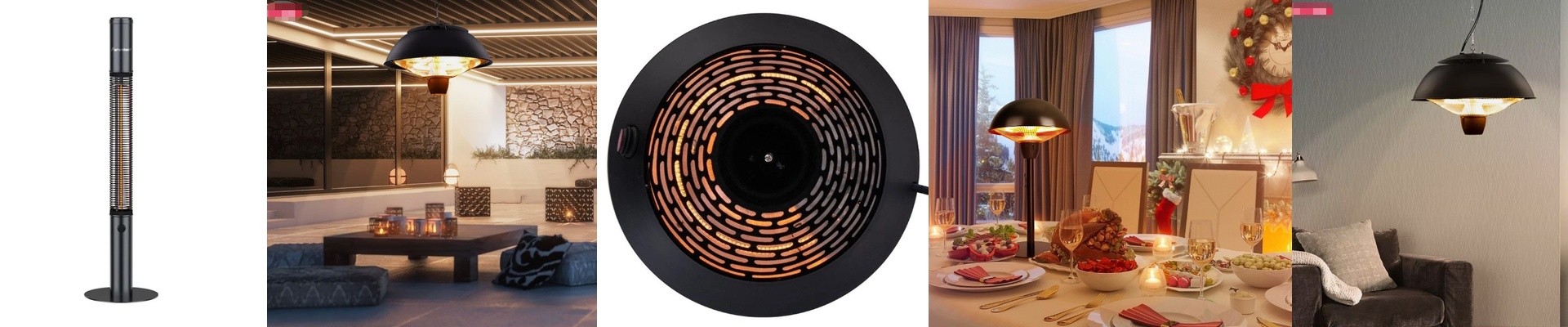
The core is a shortwave infrared emitter, built around a quartz envelope and halogen elements. Quartz can handle rapid heating and cooling cycles without cracking, and the halogen keeps the output stable, even after thousands of cycles. That inner reflector isn’t just for show. It focuses more energy forward, boosting the irradiance on the target and keeping wasted heat from spilling off to the sides. Even the connectors got real thought. We use R7s and Sk15 terminals because they lock in place, handle high current safely, and survive the constant vibration from conveyors and robots. On a packaging line where tool changeover is constant, that means a quick, drop-in replacement. No downtime.
What It Feels Like on the Floor
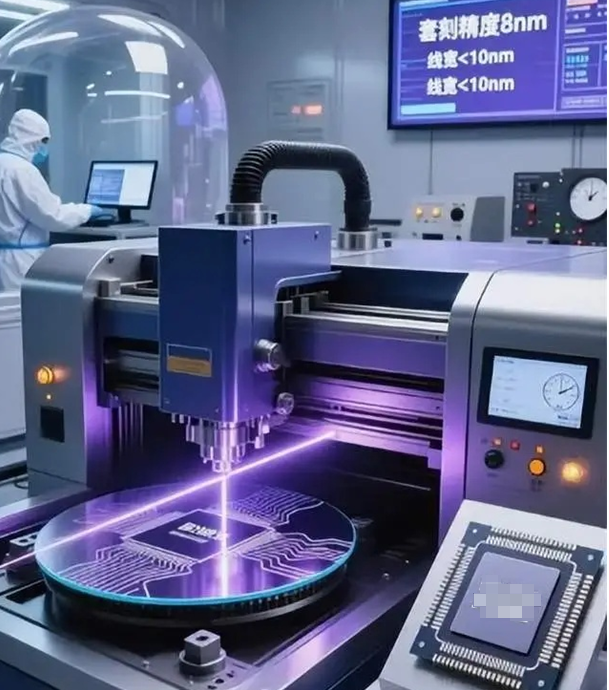
In semiconductor packaging, heat has to be spot-on and repeatable. Sensor packages, flip-chip bonding, underfill curing—they all demand tight thermal profiles. Our infrared lamps respond instantly, so you hit your cycle times without overshoot. And because the system only heats what needs heating, energy use drops. In a push toward a greener factory, that means lower carbon per unit. Now, a reality check: high power density means you need proper cooling. Plan your heat exchange and airflow from the start, or you’ll hit thermal throttling during long runs. For the engineers on the line, the payoff is real. Stable processes. Fewer reworks. And a cleaner energy profile, day after day.