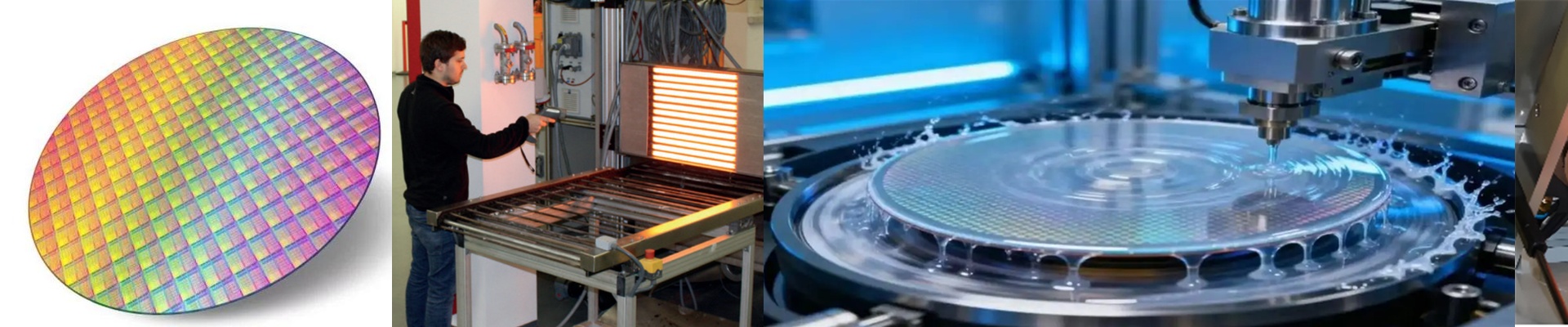
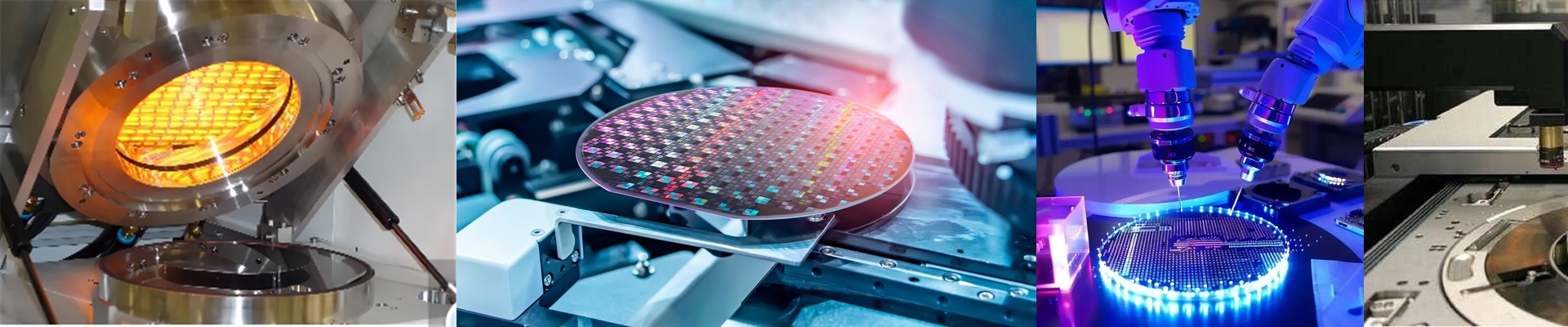
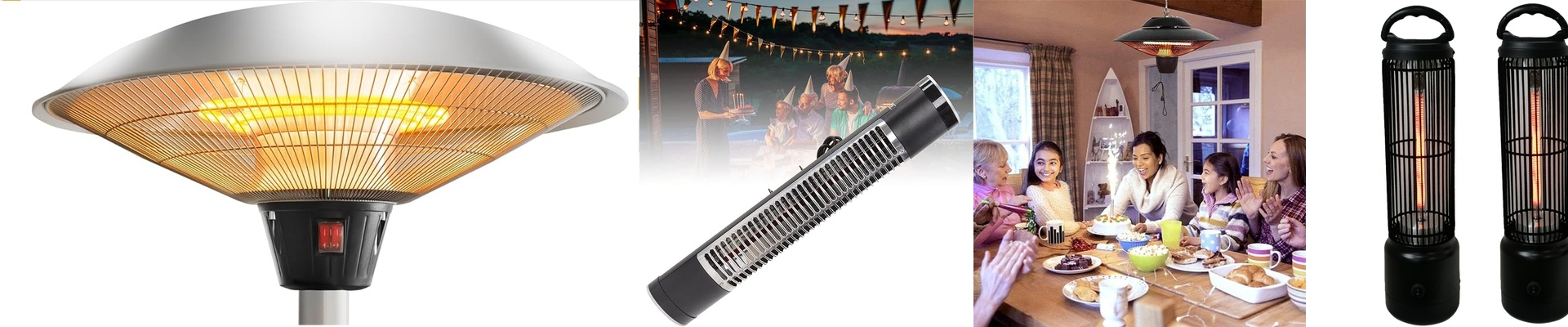
On the lithography floor, you know the drill: a soft bake that drifts even a degree throws photoresist thickness off the rails, and hard bake non-uniformity? That’s yield walking out the door. We built the twin-tube infrared heating lamp to take that thermal guesswork off the table. What matters, technically The twin-tube short-wave infrared lamp heats fast, with direct coupling that keeps wafer-level uniformity within ±0.1°C across the process window. The quartz envelope and reflector geometry lock in repeatable radiant profiles, and the cleanroom-compatible materials hold particle generation at zero once you’re in steady state. Output stays stable over 5,000+ hours, drifting less than 5% in intensity, and the system is built for 24/7 running without unplanned downtime. Why it sticks in real processes In photoresist processing, this lamp is about nailing consistent soft bake and hard bake profiles so critical dimension control stays tight and edge bead stays under control. The thermal response is quick enough to cut bake time without overshoot, so you push throughput without blowing the thermal budget on advanced wafer stacks. That same stability carries over into packaging-side drying and curing, where moisture and void control live or die on predictable temperature ramps. The payoff is fewer excursions, less scrap, and performance that repeats shift after shift. The things you actually need to watch The lamp drops into existing oven modules and bake plates, but alignment to the substrate plane is non-negotiable. Even a small offset can show up as a measurable gradient. Spec the right voltage and connector for your tool, and plan for controlled cooling at the end of each cycle to keep the quartz integrity intact.