The Real Price of Downtime in Packaging and Testing
We’ve all been there, standing in the packaging and testing shop, watching the clock tick away. Every second your line sits idle is money going straight out the door. So when you’re looking at heating equipment, you’re not just buying a piece of hardware. You’re buying peace of mind. You’re buying uptime. That’s why a foundry-grade infrared heating lamp is built from the ground up to be different. It’s not a flimsy consumer bulb that gives up after a few hundred hours. It’s a serious, cost-effective solution, backed by the OEM, built to keep your line moving.
What’s Under the Hood: Power and Specs
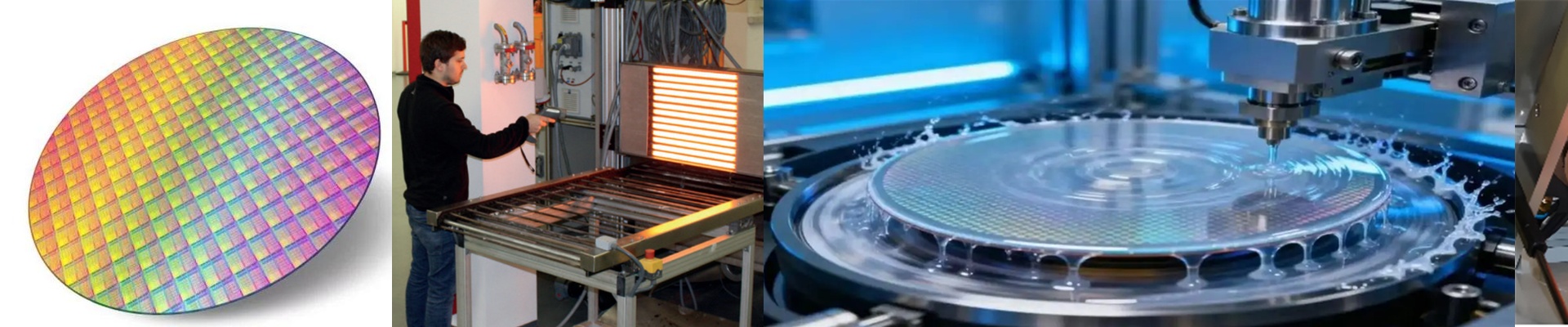
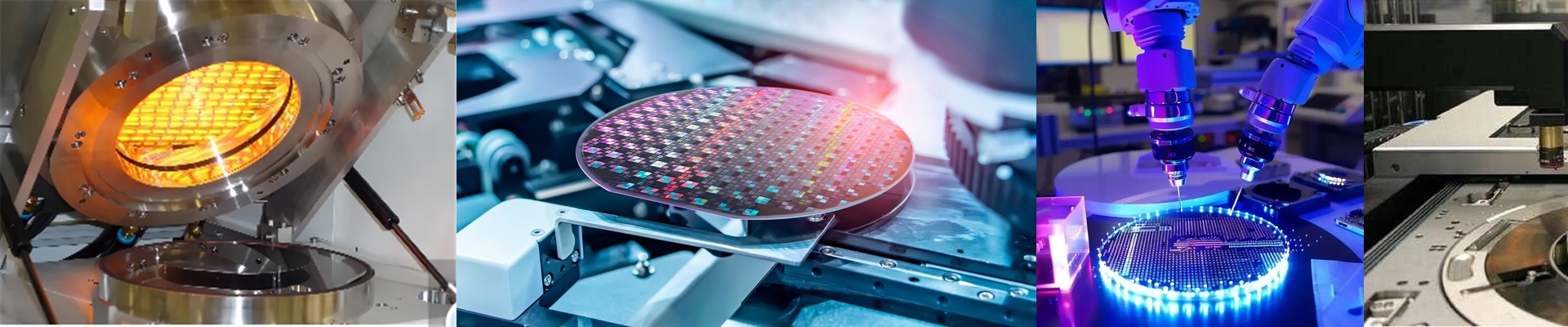
It all comes down to power density. These heaters run at high wattage, which is exactly what you need for a rapid thermal ramp-up. You get the substrate hot, and you get it hot fast. But that power needs a solid foundation. That’s where the 400V configuration comes in. It’s standard for industrial lines because it pulls lower amperage than lower-voltage systems. The payoff? Less strain on your wiring and contactors. Then there’s the 300mm length. It’s not an accident. It’s a calculated footprint that gives you a concentrated heat zone. It fits perfectly over standard wafer chucks and handlers, so you’re not wasting energy heating the air around the parts that matter.
The Design Details That Actually Matter
The quartz tube isn’t just a piece of glass—it’s the heart of the operation. Inside, the halogen elements pump out stable, short-wave infrared that cuts right through the material. The coating on the tube is engineered to take a beating. It stands up to the thermal shock and chemical vapors that are just part of the job in a production environment. And the R7s connector? That’s a choice born from real-world frustration. It’s a bi-pin design that locks in tight, handles high current, and makes replacement a snap. No tools. No messing around with wiring. When a lamp goes, you want a quick, drop-in replacement. Period.
What This Means for Your Line
On the packaging and testing floor, your heater has to cycle on and off, over and over, without ever losing its nerve. Foundry-grade reliability means the lamp holds its temperature steady, cycle after cycle, thousands of times over. That consistency is what keeps your yield stable. Now, there’s one thing to keep in mind. A 2500W unit puts out a lot of heat. Your machine’s cooling system needs to be ready for that ambient rise. But when everything is matched up correctly? That’s when the magic happens. Maintenance labor drops. Spare parts inventory shrinks. And your line just keeps running. That’s how you move the needle on the bottom line.