Stop Your IR Lamps From Killing Your Yield
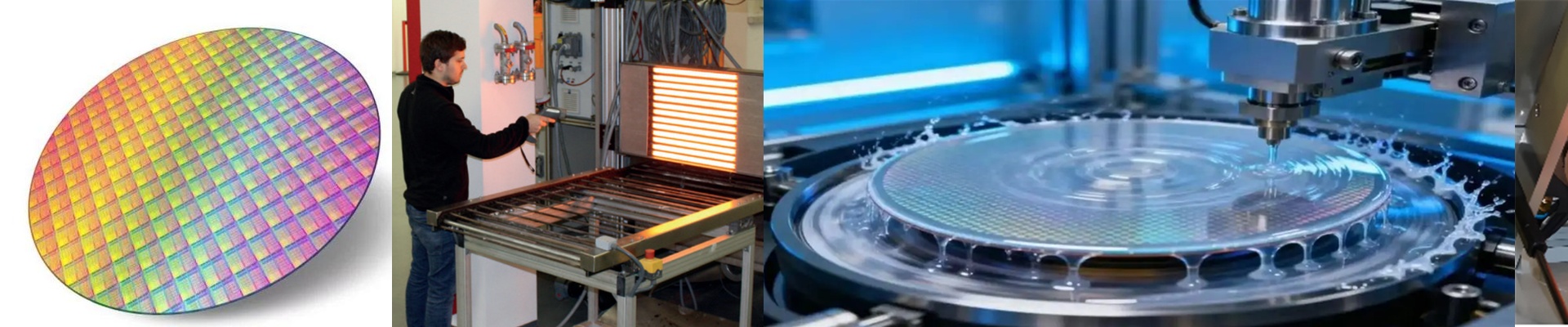
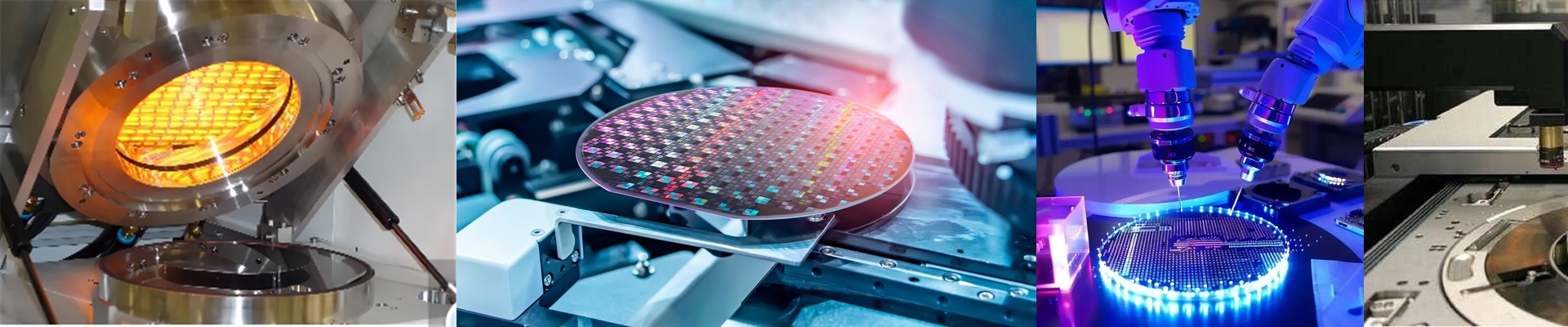
In a semiconductor fab, a lamp failure is a nightmare. It’s not just about the downtime. Imagine a quartz tube bursting under a heavy load. Glass shards and dust rain down directly onto your wafers. Just like that, your yield is gone. It’s a mess, it’s expensive, and it’s completely avoidable. That’s exactly why we built our infrared lamps the way we did. Why do these tubes actually pop? It usually comes down to thermal shock or those annoying localized hotspots. When you crank up the heat density to shave time off your drying cycles, the quartz envelope expands. If there’s a weak seal or a sudden voltage spike—pop. We deal with this by using high-purity fused quartz with a very specific wall thickness. It gives the tube enough breathing room to handle the internal pressure of the halogen cycle without the glass feeling the strain. Keeping the junk out To make sure nothing ever hits your wafers, we use a two-part safety system. First, we reinforced the end-caps. This keeps the electrodes from shifting, which is usually what causes those nasty arc-overs that lead to a burst. Then, we added a protective sleeve (or a fail-safe coating, depending on what you need). Think of it as a safety net. If the inner filament gives out, the outer layer catches all the debris. Your wafers stay clean. One quick tip: keep an eye on your power supply. If your voltage swings by more than 5%, even the best lamp is going to burn out way too early. The trade-off Here’s the honest part. These safety features do absorb a tiny bit of the infrared light. You might notice a slight dip in raw heat compared to a bare, unprotected tube. You can easily fix this by tweaking your dwell time or adding a few more lamps to the chamber. It’s a small adjustment, but it’s a hell of a lot better than waking up to a shattered lamp and a ruined batch of wafers.