Why Infrared Curing Just Makes Sense for Lead-Free Standards
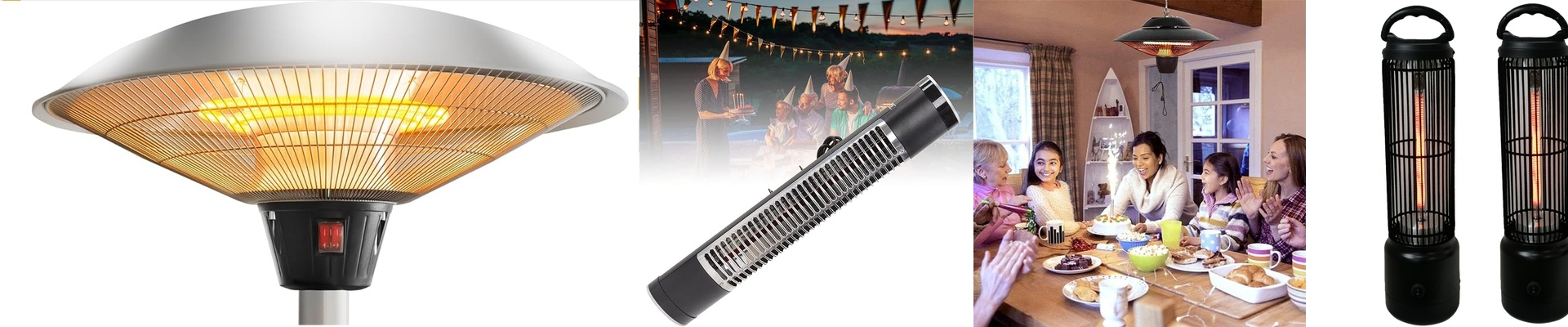
If you’re working in a fab, you know the deal. The push toward “lead-free” and “eco-friendly” isn’t just a checkbox for compliance—it’s a real headache. You’ve got to kill off the VOCs and slash the carbon footprint of your drying cycles without ruining your parts. That’s where these clean room bench IR lamps come in. No combustion, no weird chemical catalysts. Just clean, targeted heat.
How it actually works
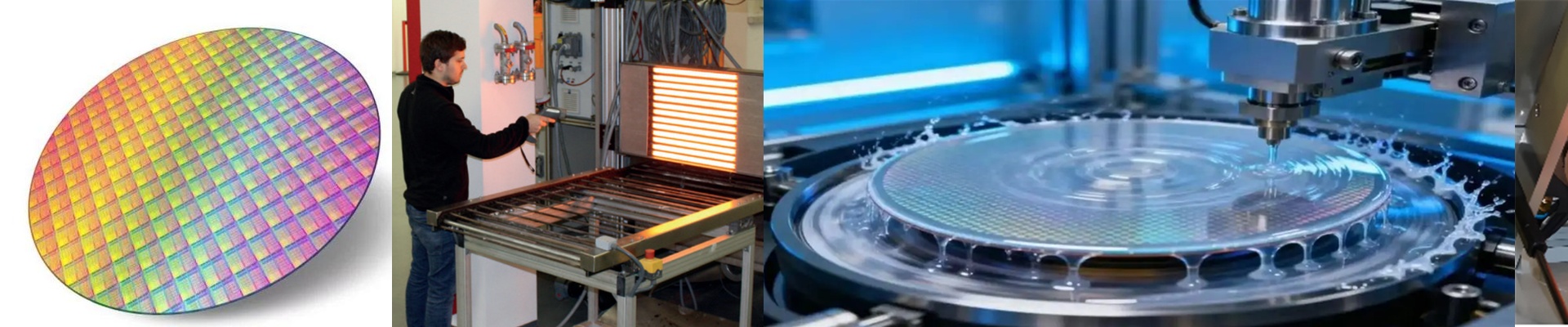
Think about a standard convection oven. It heats up all the air in the box, and then that air heats your part. It’s slow. It’s wasteful. IR is different. It uses electromagnetic waves. We use short-wave or medium-wave emitters that actually sink into the surface of the substrate. It heats the material from the inside out. It’s fast. Really fast. And because you aren’t trying to heat up the entire room just to dry one workpiece, you stop wasting so much energy.
Keeping the clean room, clean
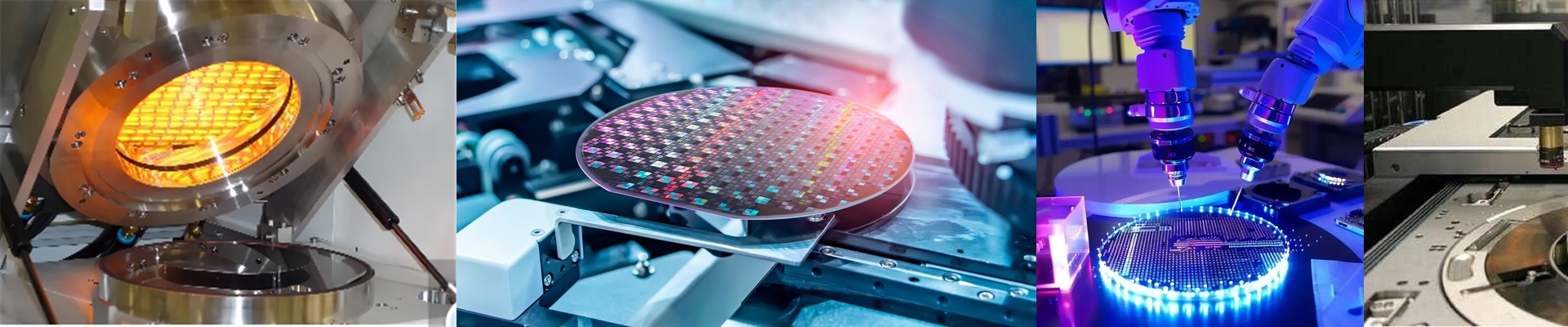
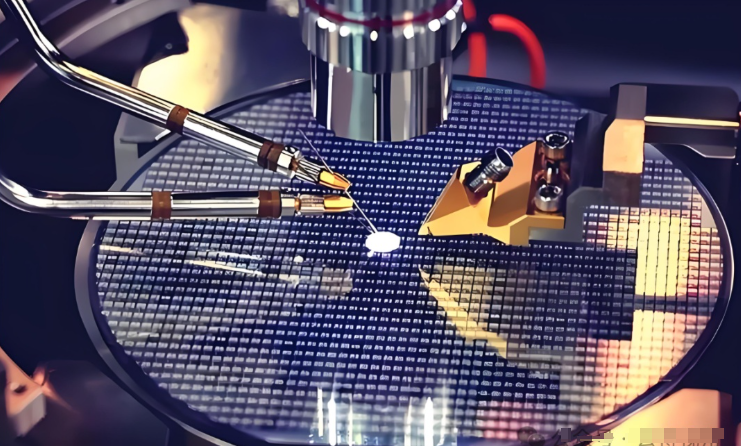
In a fab, a single speck of dust is a disaster. Traditional heaters are risky. They can flake off bits of material or off-gas right when you don’t want them to. We wrap our lamps in high-purity quartz to make sure absolutely nothing escapes into your environment. Plus, there are no fans. No blowing air. No currents kicking up dust onto your wafers. It’s just quiet, still, and clean.
The tricky part (The trade-offs)
I won’t tell you it’s magic; there’s a learning curve. These lamps pack a massive amount of heat into a tiny space. That’s great for getting things done quickly, but you have to be careful with your spacing. If the lamp is too close, you’ll end up with hot spots or, worse, a warped wafer. You’ll want a solid PID controller and a thermocouple. You need to keep that surface temperature in a very tight window, or you’re just asking for trouble.
Making the jump to lead-free
Here’s the thing about lead-free solders and adhesives: they’re picky. They usually need higher temperatures and much more precise thermal profiles than the old leaded stuff. With IR, you can pick specific wavelength bands that match exactly how your material absorbs heat. You get a full cure every time, but you aren’t cooking the surrounding components to death in the process. It just works.