

Cutting Carbon in Chip Making with Infrared Heating
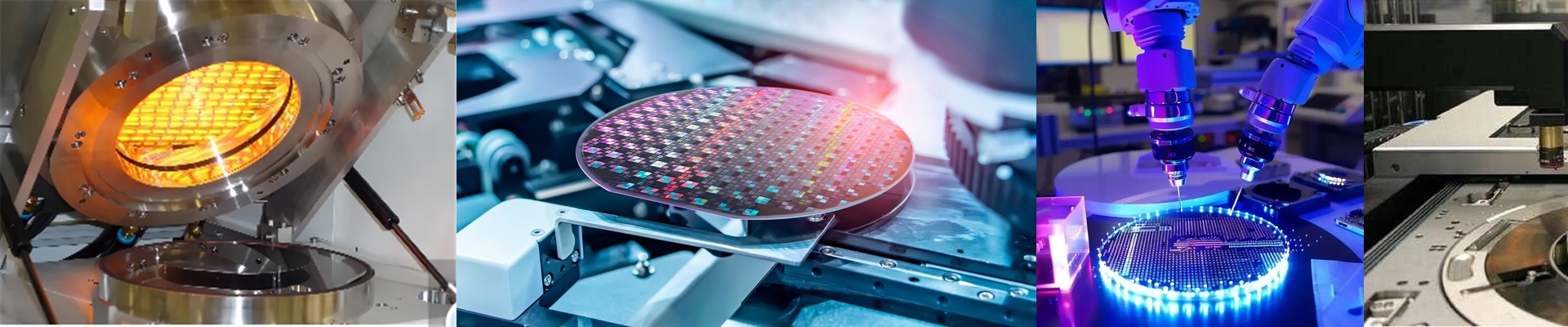
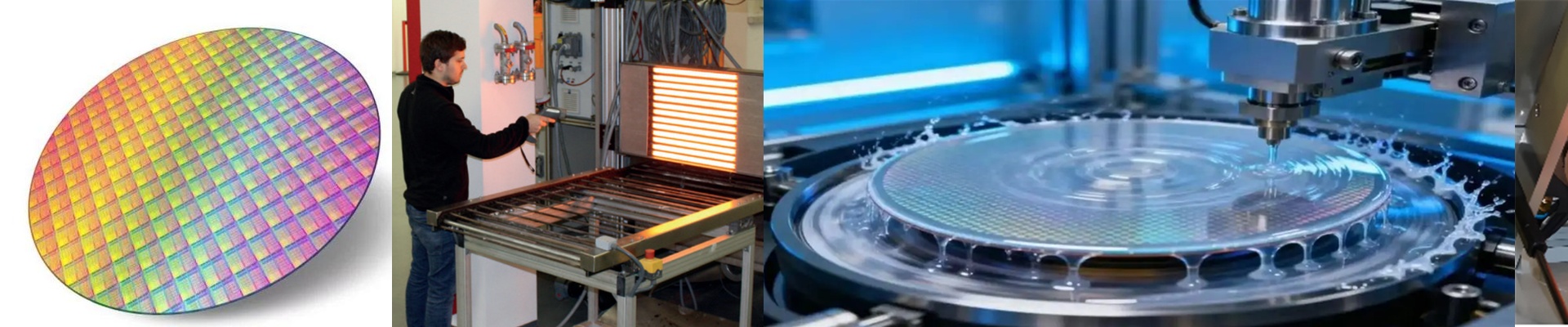
Making semiconductors is all about heat, but the way we’ve been doing it is honestly pretty wasteful. Most shops use convection ovens, which basically means heating up a giant room of air just to get a tiny wafer up to temperature. It’s like heating your entire house just to warm up a single slice of pizza. It wastes a ton of power and drives up the facility’s carbon footprint. We’ve found a better way: infrared (IR) heating. Instead of fighting with the air, we hit the substrate directly. Saving Energy (and the Planet) IR lamps use electromagnetic radiation to move energy. Since you aren’t trying to warm up thousands of cubic feet of cleanroom air, you use way less power per wafer. In a green factory, this is a huge win. You see the kilowatt-hours drop, and your CO2 emissions go down with them. It’s a simpler, cleaner way to handle curing and baking. Keeping the Cleanroom, Well, Clean Cleanrooms are stressful. One speck of dust and you’ve got a problem. That’s why we use quartz-encapsulated heating elements. They don’t off-gas or shed particles, so your environment stays pristine. Plus, these lamps pack a lot of punch in a small package. Your equipment takes up less floor space, and you get to the target temperature much faster. It just makes the whole cycle move quicker. The Tricky Part Now, it isn’t all magic. High-intensity IR is fast—maybe too fast. If you aren’t careful, you can create these intense heat pockets. If your wafer is thin, the surface might overheat before the core even gets warm. You have to be smart about the lamp distance and the duty cycle. A little calibration goes a long way to make sure you don’t warp your substrates. Making it Work in a Green Factory Swapping a lamp isn’t the whole story. You need a control system that actually listens to your sensors in real-time. This stops the system from “overshooting” the temperature and wasting energy. And here’s the best part: when you hook these systems into a smart grid, you can track exactly how much energy you’re saving with every single batch. When the auditors come around for your carbon neutrality check, you’ve actually got the hard data to show them.