
Keeping Changing Rooms Warm Without the Headache
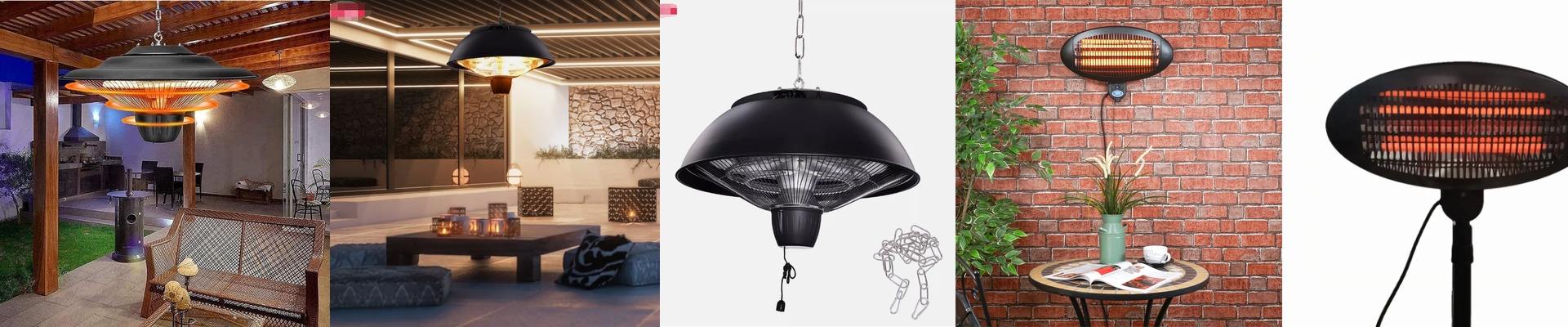
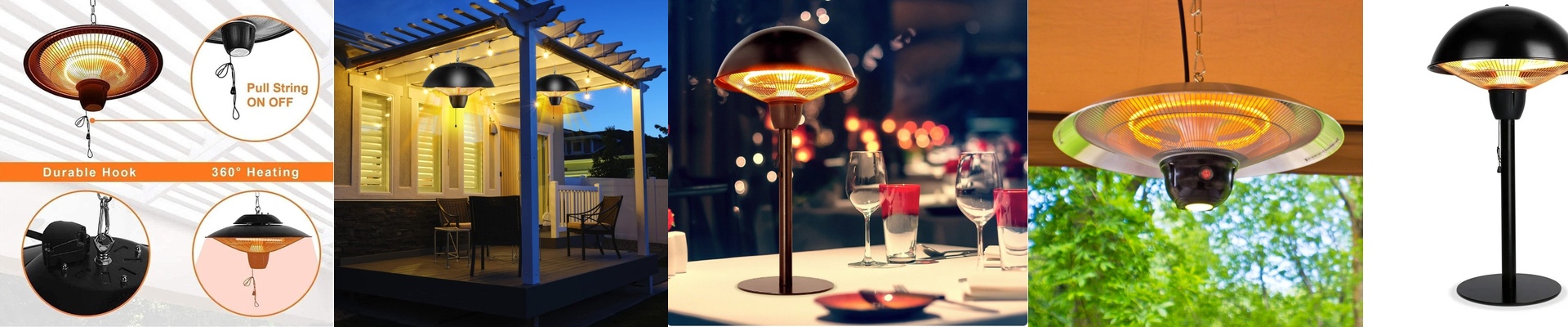
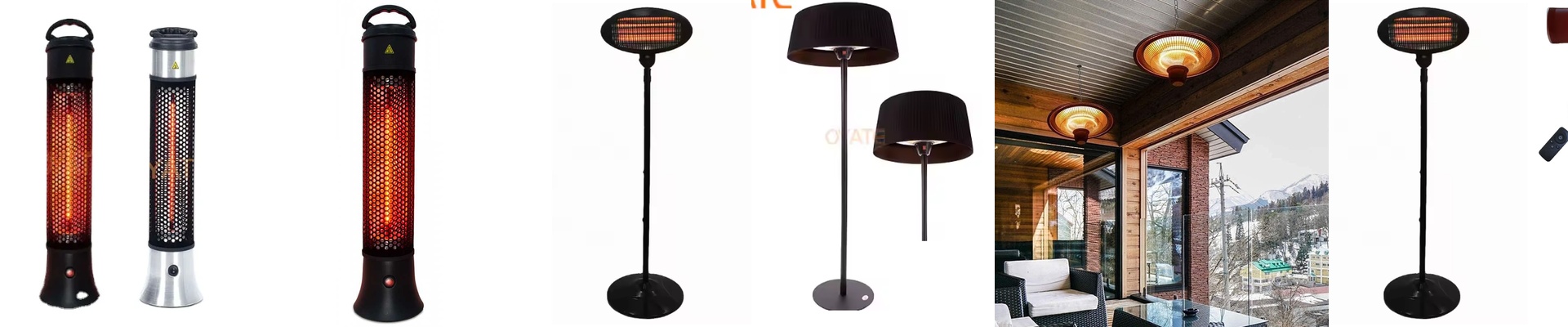
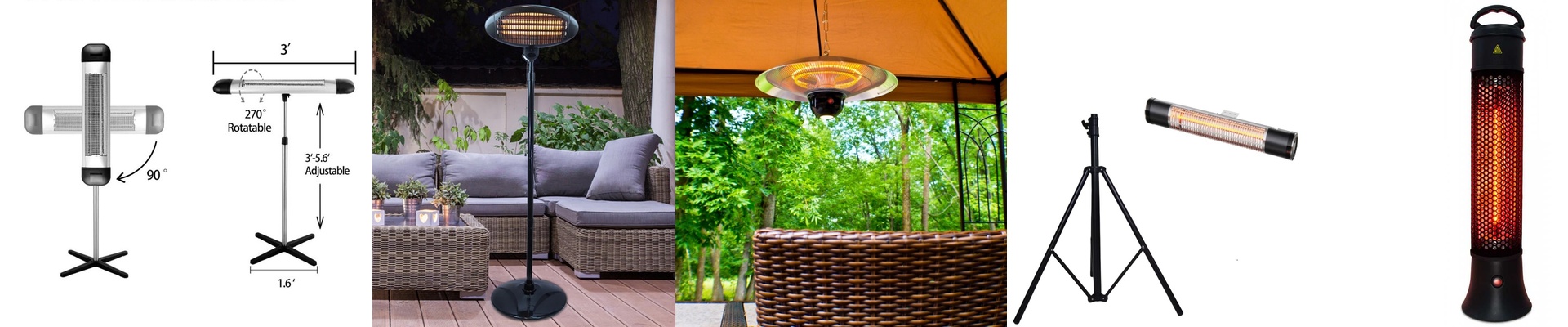
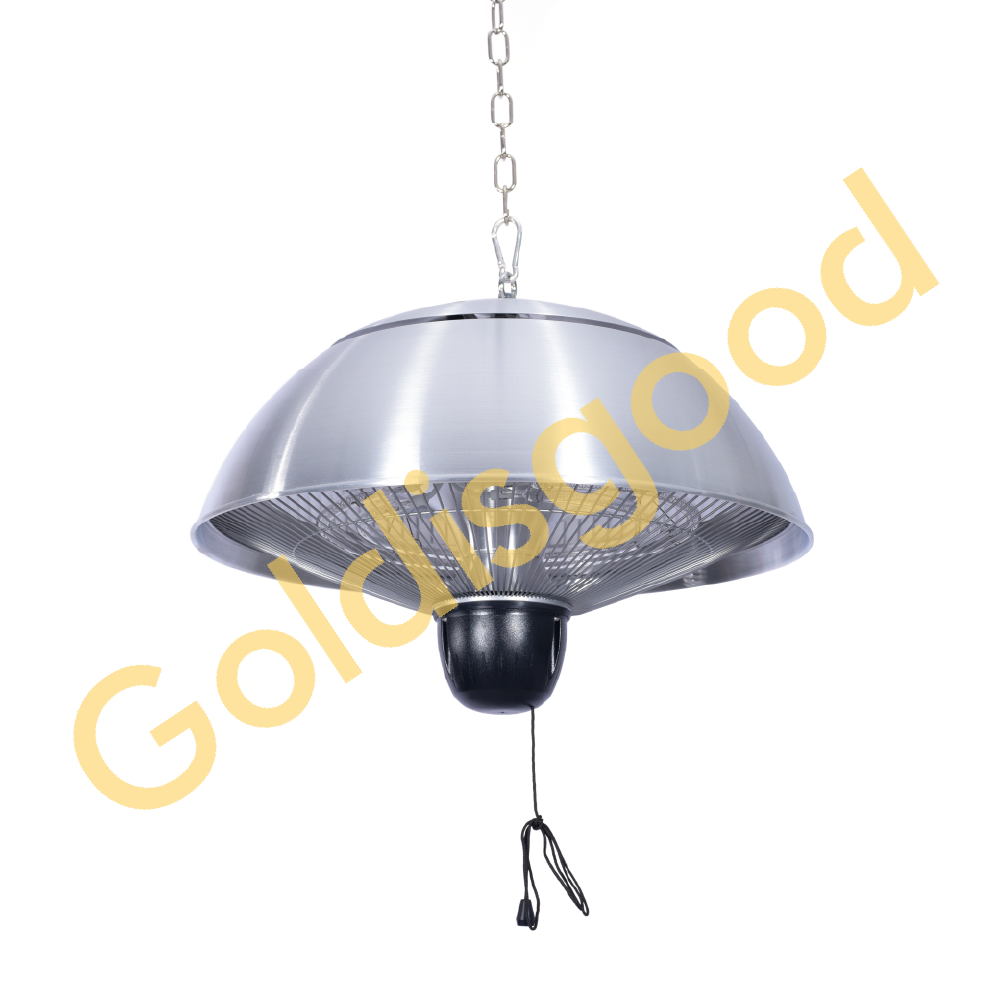
Nobody likes standing in a freezing locker room, especially when they’re wet. If you’ve ever tried to heat a wet zone with a standard heater, you know the struggle—you’re basically trying to heat the air, which just drifts away. That’s why we go with shortwave infrared. It doesn’t mess around with the air. Instead, it beams heat directly onto the skin. It’s the difference between waiting for a room to warm up and stepping into a beam of sunlight. You feel it instantly. Dealing with the damp Locker rooms are brutal on equipment. Between the steam and the random splashes, a normal heater is just a ticking time bomb for a short circuit or a pile of rust. We build these to an IPX5 standard. In plain English? You can hit them with water jets from any direction and they’ll keep humming along. We use heavy-duty gaskets and alloys that don’t care about moisture, so you aren’t replacing the whole system after one rough winter. Instant heat, no waiting The best part about shortwave emitters is that there’s no “warm-up” period. You flip the switch, the tungsten filament glows, and boom—you’ve got a high-density heat zone. It feels like standing in the sun. It dries you off and loosens up tight muscles the second you step under it. A few things to watch out for You can slap these on the wall or hang them from the ceiling to keep the floors clear. But here’s the thing: these units pull a lot of power. If you don’t get your breakers and wire gauges right, you’re going to be tripping circuits all day. Also, be careful not to overdo the wattage in a tiny room, or it’ll feel like a sauna in there. We usually suggest pairing them with a motion sensor or a timer. That way, the heat is there when someone is actually using the space, and it’s not just baking an empty room. If you’re still using those old forced-air systems, these are a breath of fresh air. Well, warm air. Plus, you stop blowing dust and lint all over the place.