Why We’re Swapping Hot Air for IR Lamps in Semi Processing
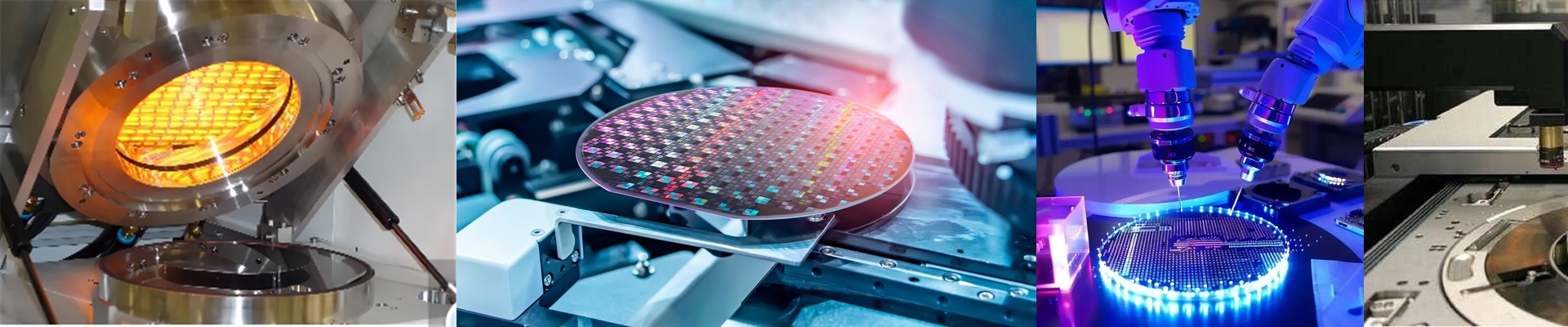
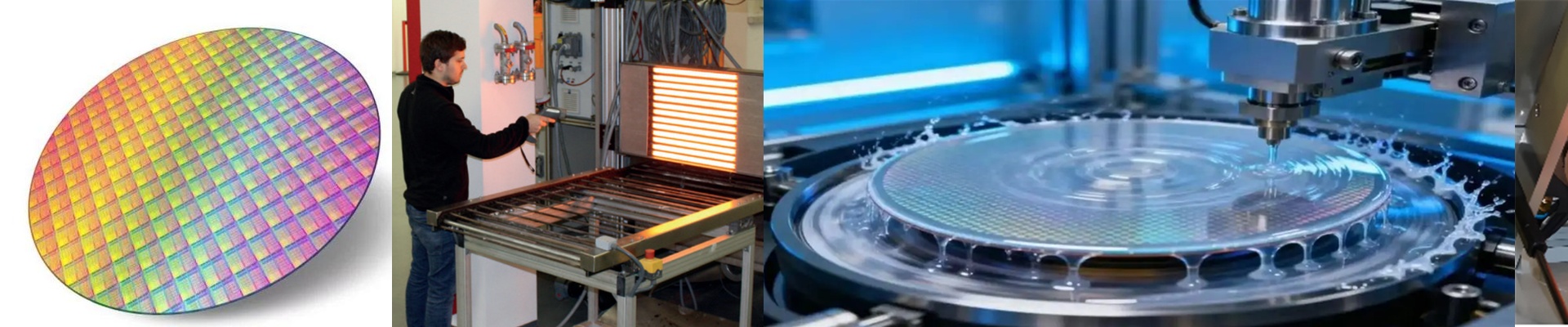
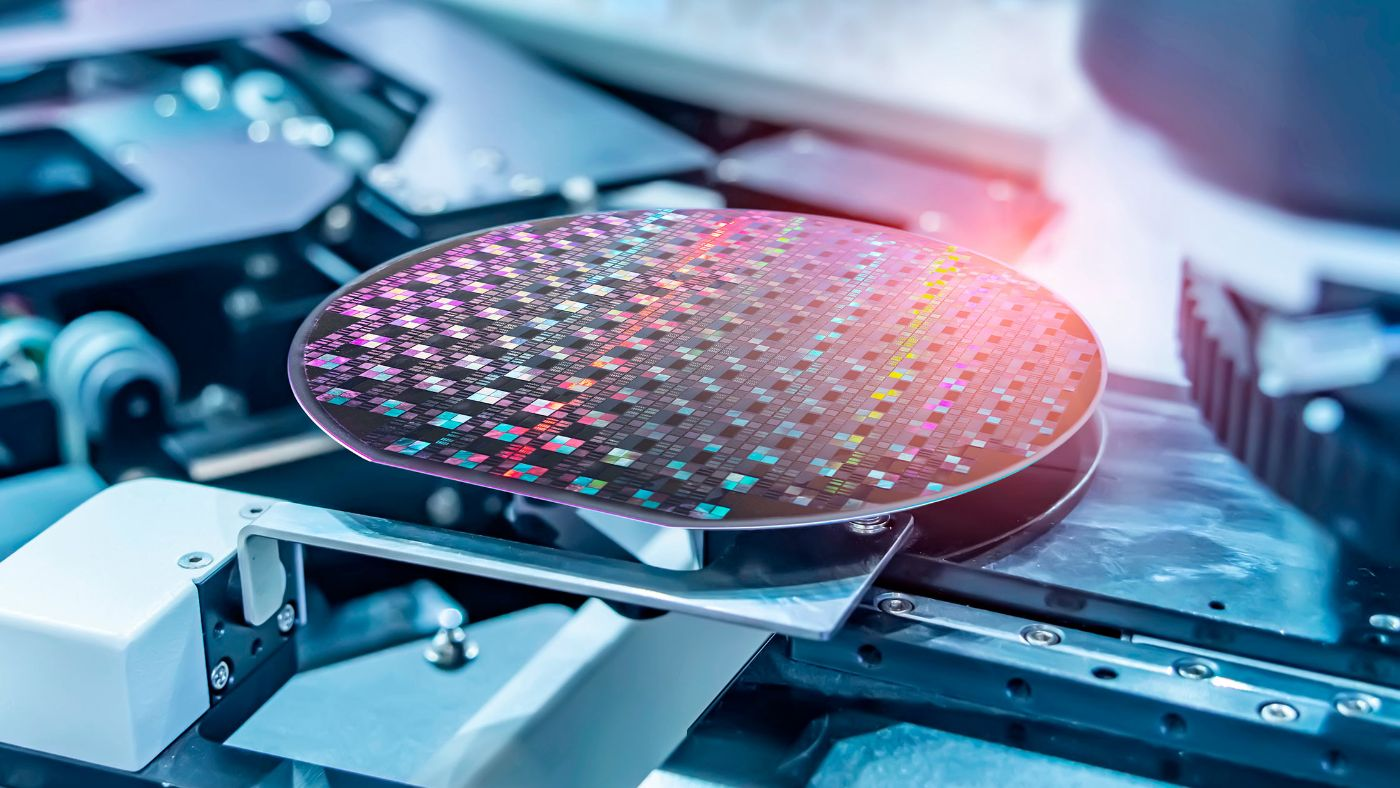
If you’re working in semiconductor deep processing, you know that time is basically your biggest enemy. That’s why we’ve been moving away from forced air convection and leaning into Ultra High Purity (UHP) infrared lamps. It really comes down to how you move the heat. Air heating is a slog. You’re just pushing hot gas across a surface, which is slow and—let’s be honest—a great way to accidentally introduce contamination. IR lamps change the game. They use electromagnetic radiation to send heat straight to the target. No middleman. No air. Just direct energy. The speed is where it gets interesting. Think about an air heater. You have to warm up the air, then the chamber, then finally the wafer. It’s a waiting game. But with UHP IR lamps? You hit your operating temperature in milliseconds. For an engineer, that’s a dream. Shorter cycle times per batch mean you can push more through the line without having to build a bigger cleanroom. It’s just… faster. Now, let’s talk about the gear. You can’t just use any bulb here. We use high-purity synthetic quartz because outgassing is a nightmare in a UHP environment. One tiny impurity in the lamp envelope and you’ve just ruined a wafer. We also tune these lamps to a specific wavelength. We want the heat to soak into the substrate, not waste energy heating up the surrounding hardware. It’s all about precision. But it’s not all plug-and-play. IR lamps pack a massive punch. Unlike hot air, which spreads out, IR is a direct hit. If your zoning isn’t dialed in perfectly, you’re going to end up with steep thermal gradients. You can’t just toss these into an old air-circulating oven and hope for the best. You’ll need a rock-solid PID control system and probably some upgraded cooling manifolds so the lamp ends don’t just burn out. And a pro tip: watch your power supply. If your voltage ripples, your wafer uniformity will suffer. Keep it stable, and you’re golden.