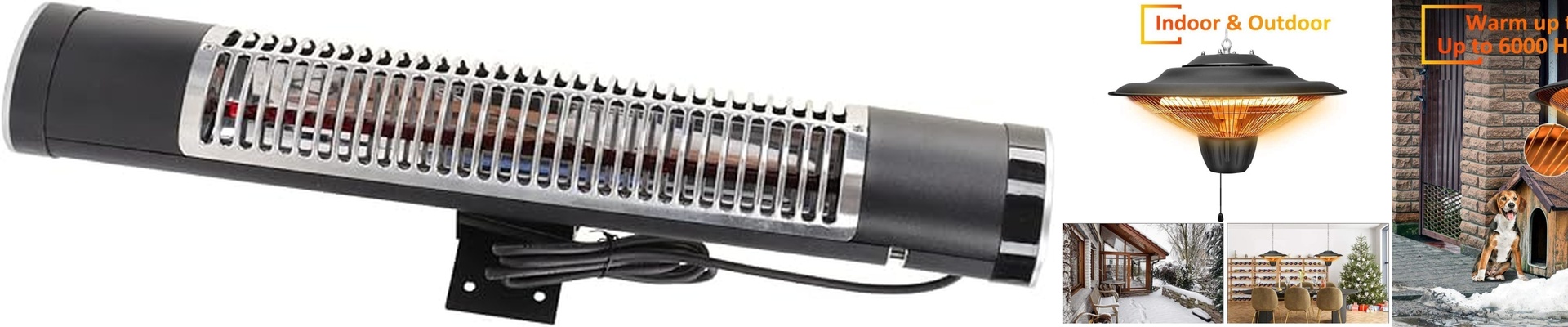

Why Most Infrared Heaters Die in Chicken Coops (And How We Fix It)
If you’ve ever run a chicken coop, you know it’s a nightmare for electronics. You’ve got thick humidity, ammonia fumes, and heaters that are constantly clicking on and off. Most generic heaters just can’t take it. They usually fail at the lead-wire seal. It starts with a tiny crack, moisture sneaks in, hits the electrical contacts, and—pop—you’ve got a short circuit. The problem is the heat. Standard glues and potting compounds just aren’t built for the kind of heat flux an infrared element puts out. As the heater warms up and cools down, the quartz glass, the metal lead, and the sealant all expand and shrink at different rates. In those cheap, consumer-grade units, the sealant eventually gets brittle and just flakes away. Once that happens, the damp coop air gets a direct line to the wire. It oxidizes, burns out right at the connection, and leaves you with a dead heater. We do things differently. We use industrial-grade silicone and high-temp epoxy resins to lock those wires in. It’s not just about “gluing” the wire in place. We’re creating a bond that actually moves with the metal. Our seals are built to handle up to 250°C. This stops the “wicking effect,” which is basically when moisture crawls up the wire insulation and drips straight into the heating element. One quick heads-up on installation. There is a trade-off here. Because our seal is tighter and more rugged, it’s less forgiving if you yank on the cable. Give your wires some slack. If you zip-tie the cable too tight against a sharp metal edge, you might pull the seal away from the element, and no matter how good the materials are, that’s going to cause a leak. When you get the sealing right, you stop worrying about your breakers tripping every time the humidity spikes. It means the only thing you’ll ever have to replace is the heating element itself—which is exactly how it should be.