
Making Your Patio Heaters Actually “Smart”
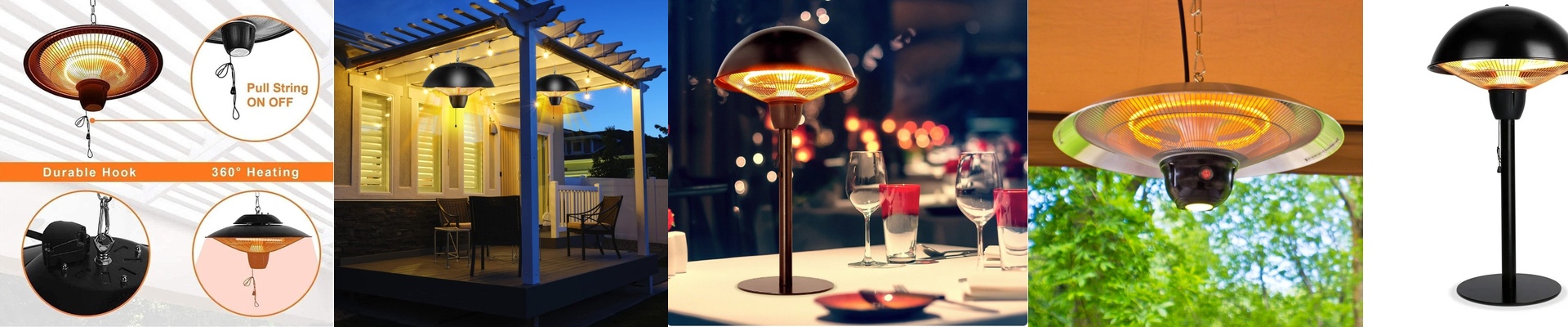
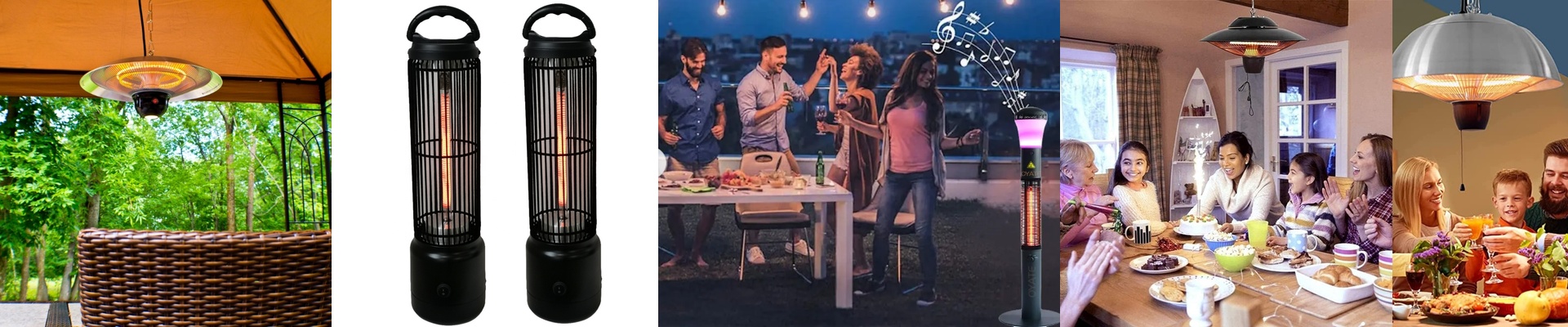
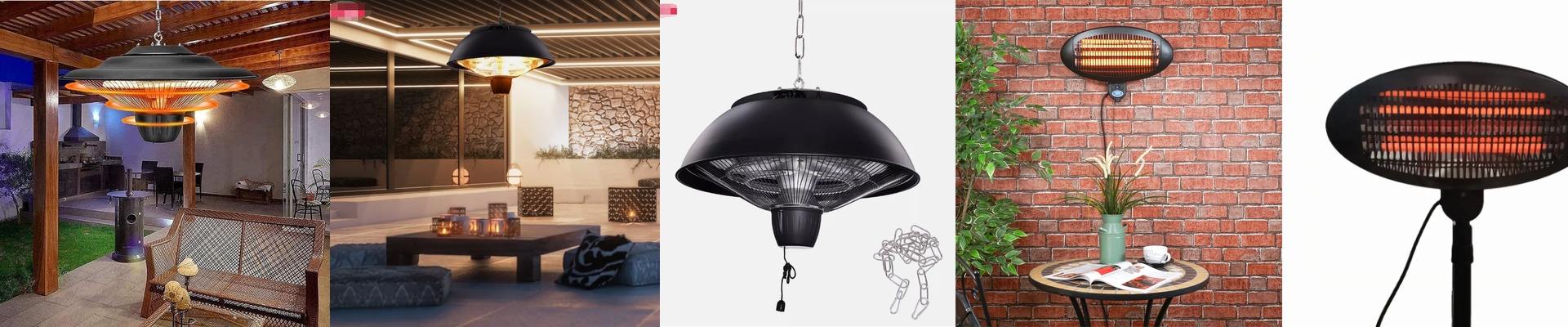
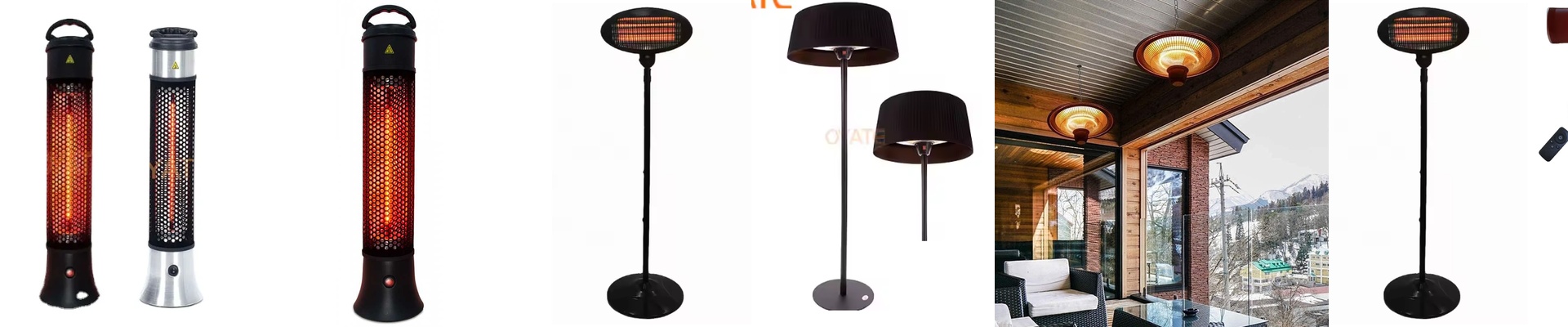
We build our IP55 infrared heaters for one reason: so you can actually enjoy your backyard when it’s freezing or drizzling outside. Most heaters try to warm up the air, but that’s a losing battle the second a breeze hits. Ours work differently. They send heat in a straight line, hitting you and your guests directly. It feels like standing in the sun on a crisp October morning. Wind chill? Doesn’t matter. You’re warm the second you flip the switch.
Getting Them to Talk to Your House
If you’re still twisting a manual dial on the wall, you’re doing it the hard way. To make these “smart,” we swap those dials for relays or smart switches. Once you’ve got them wired into a Zigbee or Matter controller, you can stop worrying about the thermostat. Just tell your voice assistant to hit “Winter Mode” or tap a button on your phone, and the circuit closes. Boom. Heat. **One big warning, though.**These things pull a lot of power. If you’re running a few 1500W or 2000W units, your wiring needs to be up to the task. If you skimp on the breakers, you’ll be spending your party in the dark because you tripped the main switch the moment the heat kicked in.
Built for the Elements
Outdoor gear takes a beating. That’s why the IP55 rating is a big deal. It basically means dust and rain can’t get inside to mess with the electronics. We use treated aluminum and tempered glass because moisture is the enemy of heating elements. It keeps the guts of the machine dry so you aren’t replacing your heaters every two seasons.
The Catch: Instant Heat vs. Power Surges
The best part about these heaters is that there’s no waiting. No “warming up” period. You turn it on, and you feel it instantly. But that instant warmth comes with a price: a massive power spike. If you’re hooking up a dozen units on one loop, you can’t just plug them into a standard smart switch. You’ll fry the relay in no time. You need a heavy-duty contactor to act as the middleman between the low-voltage signal from your app and the high-voltage load of the heaters. It’s a simple addition that saves you from a very expensive mistake.