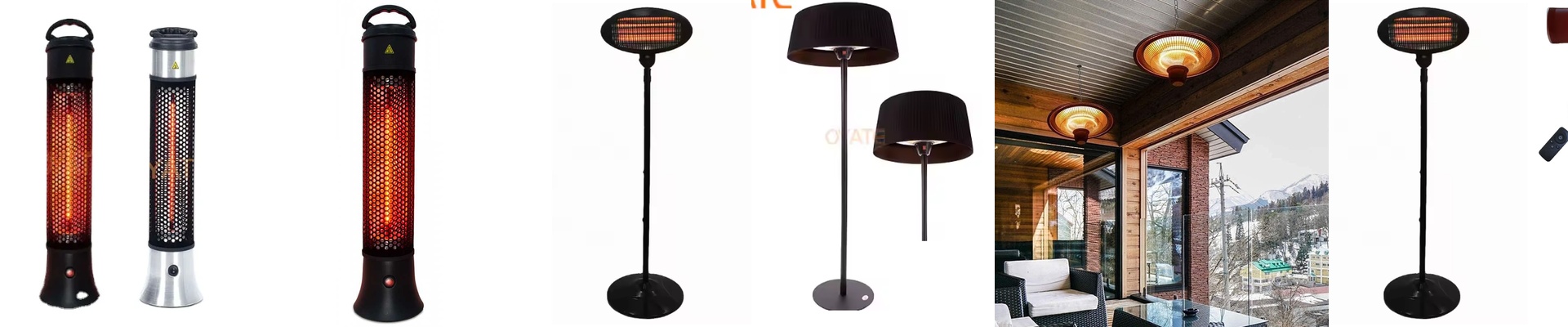
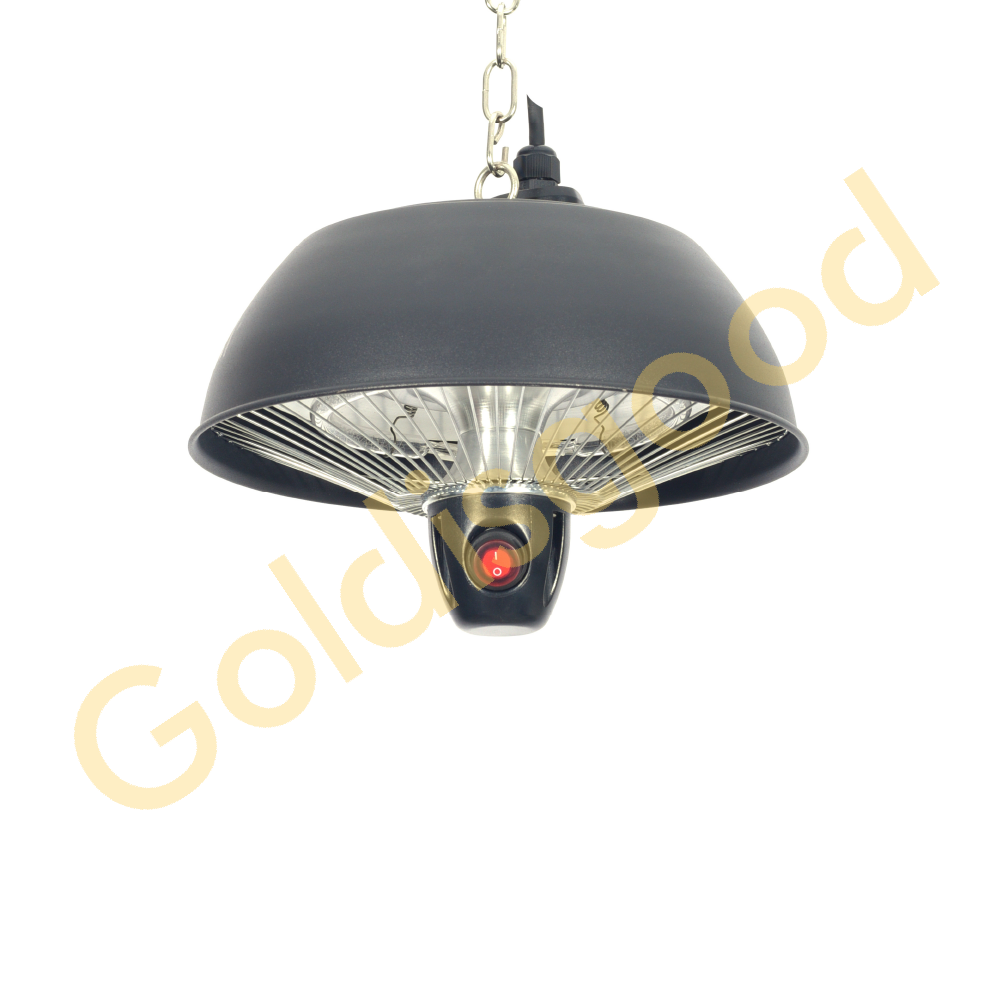
Let’s talk about why those old-school bathroom lamp heaters always seem to give up on you. Most of them just use basic resistive heating. They try to warm up the air, but in a steamy bathroom, moisture finds a way into the electrical parts. Before you know it, the seals fail, the contacts corrode, and the whole thing stops working. It’s frustrating, and honestly, it’s a bit outdated. That’s why we’ve been moving toward high-waterproof infrared towel rails. Here is the cool part: infrared doesn’t bother trying to heat the air in the room. Instead, it sends out electromagnetic waves that hit your towel—or your skin—directly. It feels immediate. Even if your bathroom is freezing, the second you touch that towel, it’s warm. We use short-wave emitters because they punch right through the fabric. You aren’t wasting energy trying to heat the ceiling; you’re just getting the heat exactly where you actually need it. But the real secret is the “IP rating,” which is just a fancy way of saying how well it keeps water out. Between the splashes and the thick steam, a cheap heater is basically a ticking time bomb for a short circuit. We use heavy-duty sealed gaskets and moisture-resistant housings. It keeps the internals bone-dry, so you don’t have to worry about oxidation eating away at your wiring. Now, there is a trade-off. Because these units are sealed so tight to keep the water out, they’re a bit heavier. And since they’re built as sealed modules, you can’t just pop the cover off and solder a loose wire. If something actually breaks, you usually replace the whole module. It sounds like a pain, but it’s a fair trade for a heater that doesn’t die after two winters. Plus, your electric bill will thank you. You’re using way less power because the heat is targeted. Just a heads-up: make sure your circuit breaker can handle that initial little jump in power when the infrared element first kicks on. Once it’s running, you’re golden.