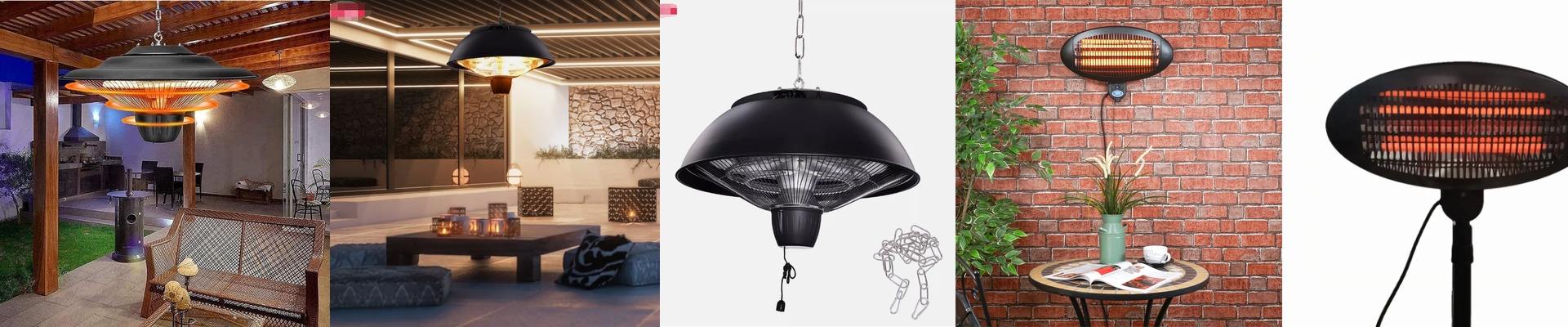
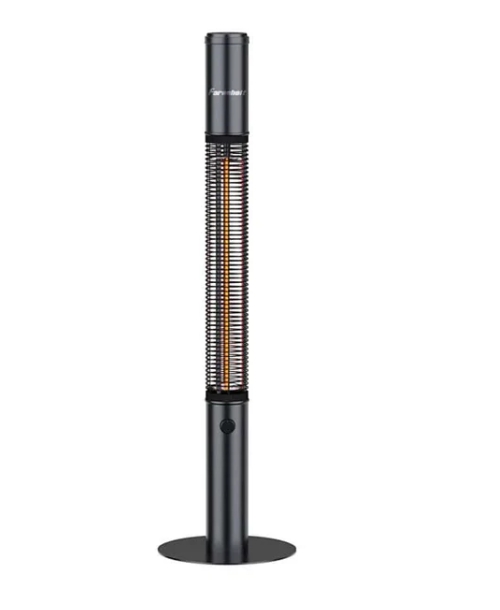
Why You Actually Need Explosion-Proof Quartz Tubes in Your Bathroom
Bathrooms are a weird place for electronics. You’ve got thick steam, high humidity, and temperature swings that would make a weather forecaster dizzy. If you’re putting an infrared heater right in the shower area, you’re dealing with a bit of a gamble. Imagine a glass tube glowing red hot, and then—splat—a single cold drop of water hits it. Standard quartz glass hates that. It panics, contracts too fast, and can literally shatter. That’s why “explosion-proof” isn’t just a fancy marketing term here; it’s what keeps your shower floor from becoming a field of glass shards. The science of the “pop” Here is the thing: when those heating elements hit 800°C, they are under a lot of stress. If the glass isn’t built to handle that kind of thermal shock, it fails. To stop that from happening, we use a specific type of quartz that doesn’t shrink or expand nearly as much as the cheap stuff. We also add a protective outer layer. It acts like a shield, making sure the tube stays in one piece even when the environment gets chaotic. What’s actually inside? Under the hood, you’ve got a tungsten filament sitting in a halogen-filled tube. The halogen is the secret sauce—it stops the filament from wearing thin too quickly, so the lamp actually lasts. But for a wet zone, we don’t stop there. We seal the ends with heavy-duty, high-temp gaskets. It means that even if the inner filament eventually burns out, the glass tube stays put. No mess, no danger. The trade-off (and a quick warning) Now, nothing is perfect. Because we add those protective layers for safety, you lose a tiny bit of that raw heat punch. You might notice it doesn’t feel quite as instant as an uncoated tube. It’s a small price to pay for peace of mind, but you might need to tweak your thermostat a notch or two to get it exactly where you want it. One last thing—and this is important.Put these on a GFCI-protected circuit. These lamps pull a lot of power. If you use thin, cheap wiring, your junction box could overheat. If the wires aren’t rated for the load, it doesn’t matter how safe the glass is—your breaker is just going to trip, and you’ll be left shivering in the cold.