
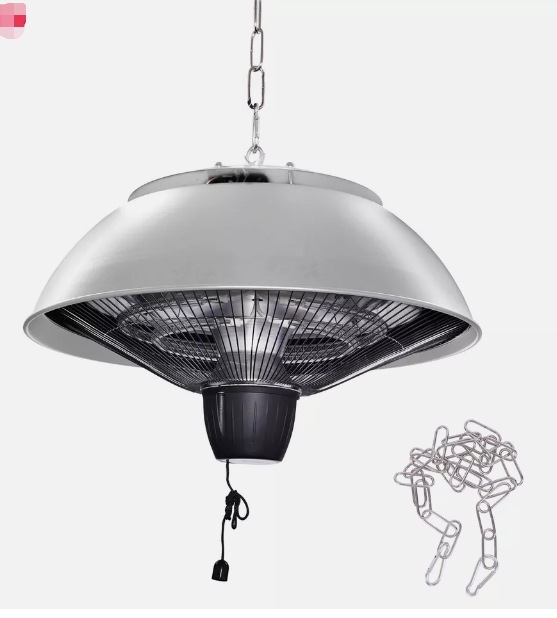
Why you should ditch the old bathroom heat lamps for waterproof infrared
Let’s be honest: those old-school bathroom heat lamps are kind of a gamble. They’re basically just basic bulbs with very little protection. In a steamy bathroom, that’s a recipe for disaster. Moisture gets into the wiring, the reflectors get crusty with corrosion, and eventually, the whole thing just quits on you. That’s why we’re seeing everyone move toward waterproof infrared heaters. They’re actually built for the chaos of a shower zone.
The secret to staying dry (and warm)
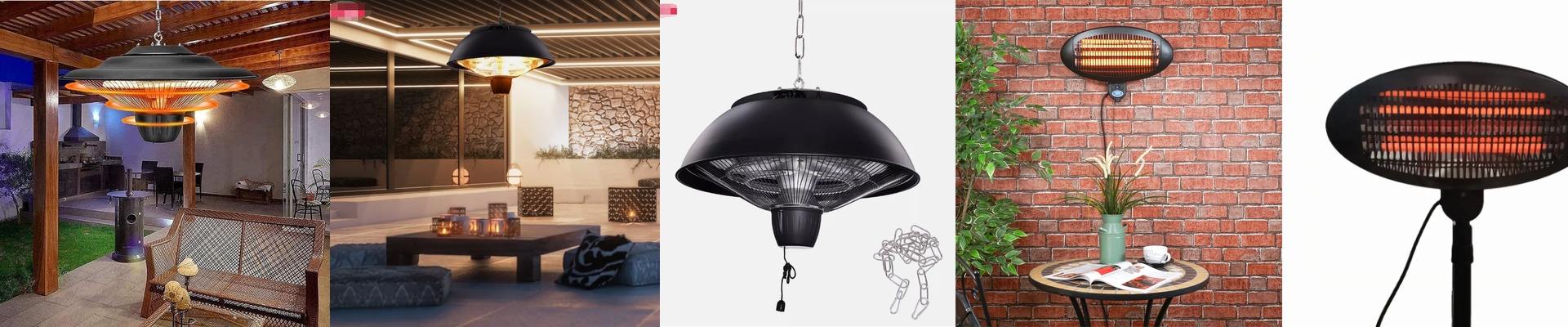
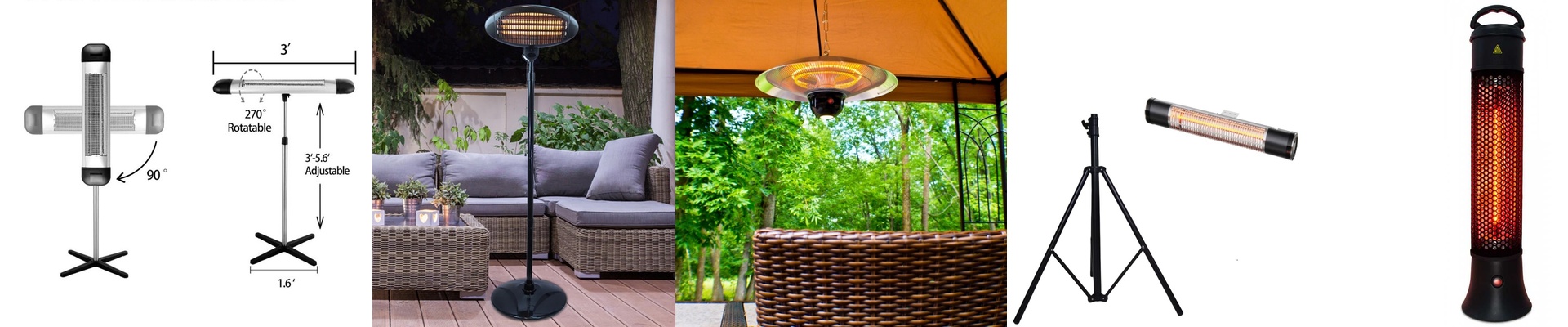
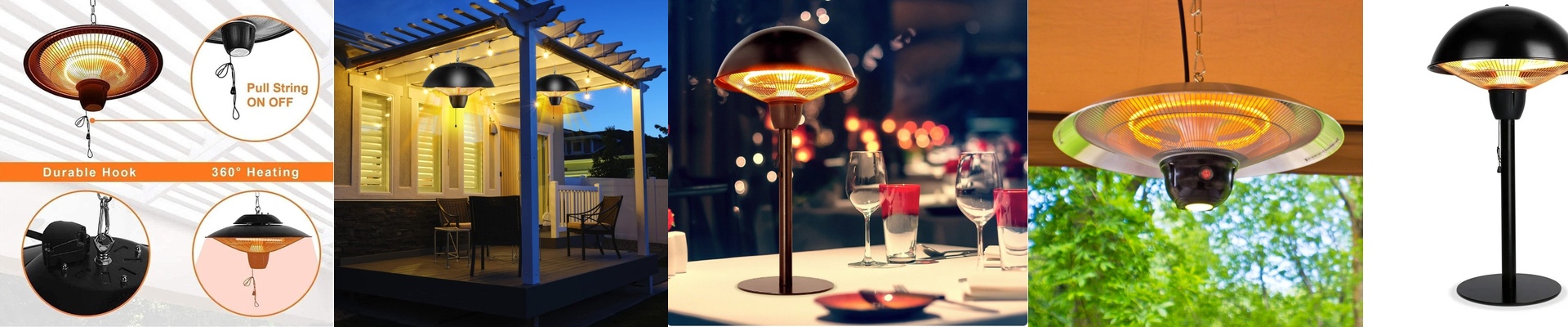
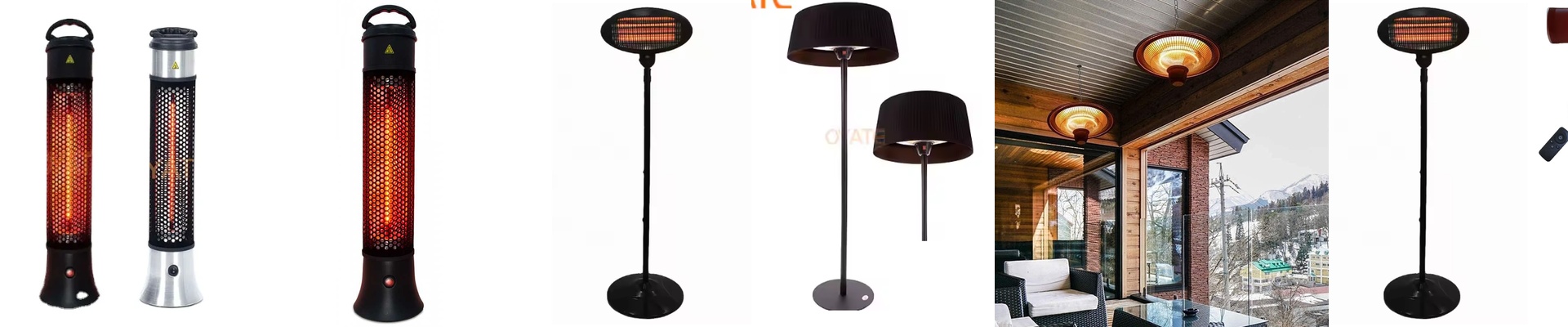
Here’s the thing about steam. It finds every single gap. Standard heaters often leak or short out because steam sneaks into the housing. The high-end waterproof units solve this with heavy-duty gaskets and sealed enclosures. It keeps the water droplets far away from the live electrical parts. It’s just safer. And the heat? It’s different. Most heaters try to warm up the air in the room, which takes forever. Infrared is different. It sends out waves of heat that hit you directly. It doesn’t matter if you have high ceilings or a drafty window. You feel that warmth the second you flip the switch. It’s an instant win.
The tricky part of the build
Now, making something waterproof usually means it gets a bit bulkier. You can’t just make them paper-thin because the unit needs a way to breathe. Since it’s sealed to keep water out, heat can get trapped inside. We handle this with clever venting. It lets the hot air escape but keeps the liquid water from getting in. One quick heads-up for the install: watch your electrical circuit. These units have a bit of a “surge” when they first kick on. If you put too many of them on one line, you might find yourself tripping the breaker the moment you try to get warm.
Less headache, more heat
The best part about switching to a sealed infrared system is that you stop replacing bulbs every few months. Oxidation usually kills those old filaments, but a sealed environment protects them. For the person installing it, this is huge. It means way fewer annoying phone calls about electrical shorts. Just a tip—make sure your mounting bracket is strong enough. These sealed chassis are a bit heavier than the cheap plastic ones.