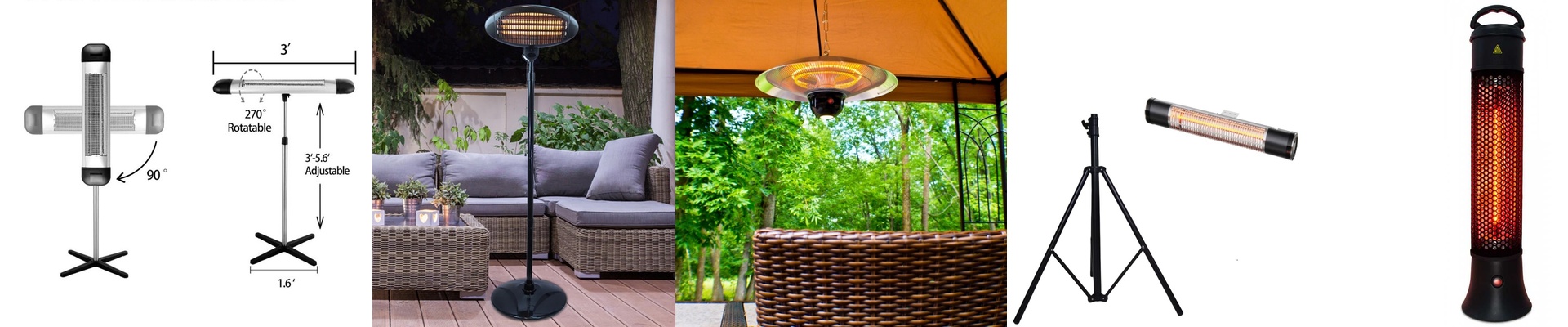
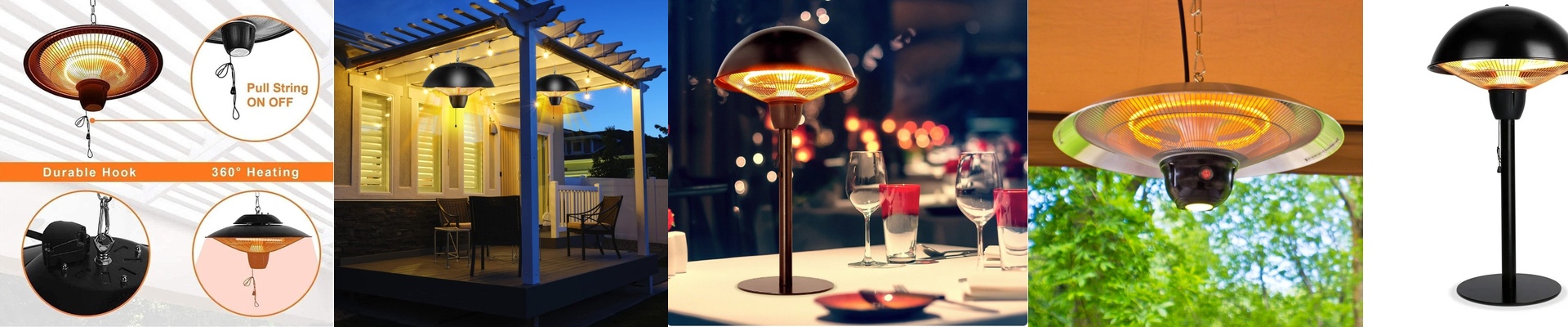
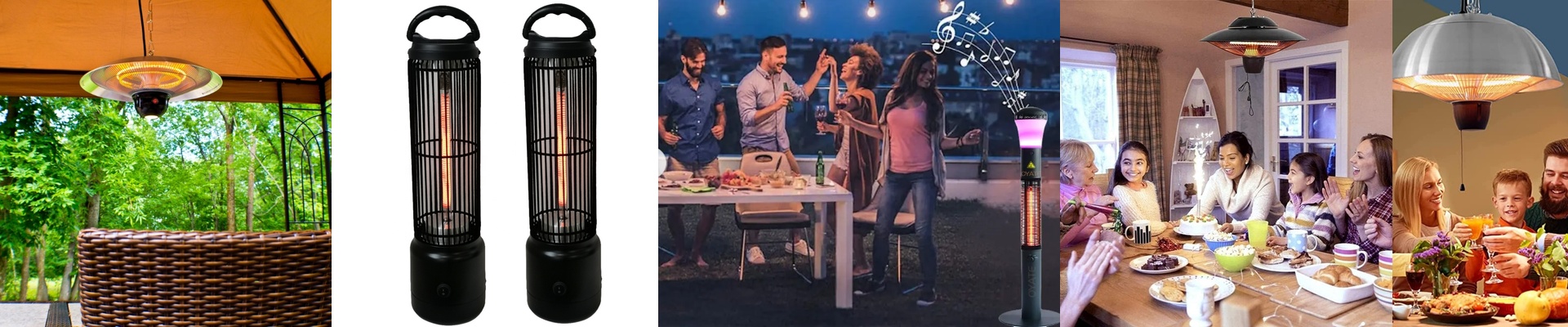
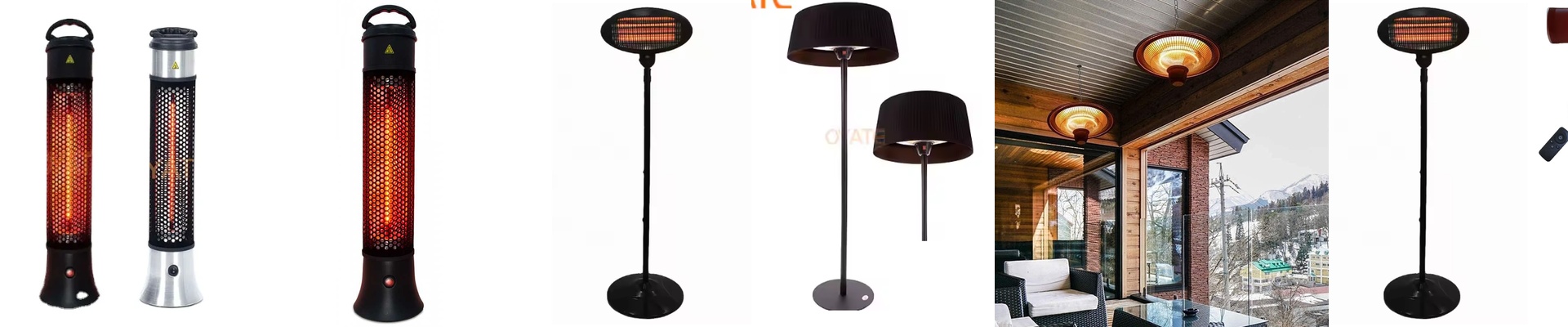
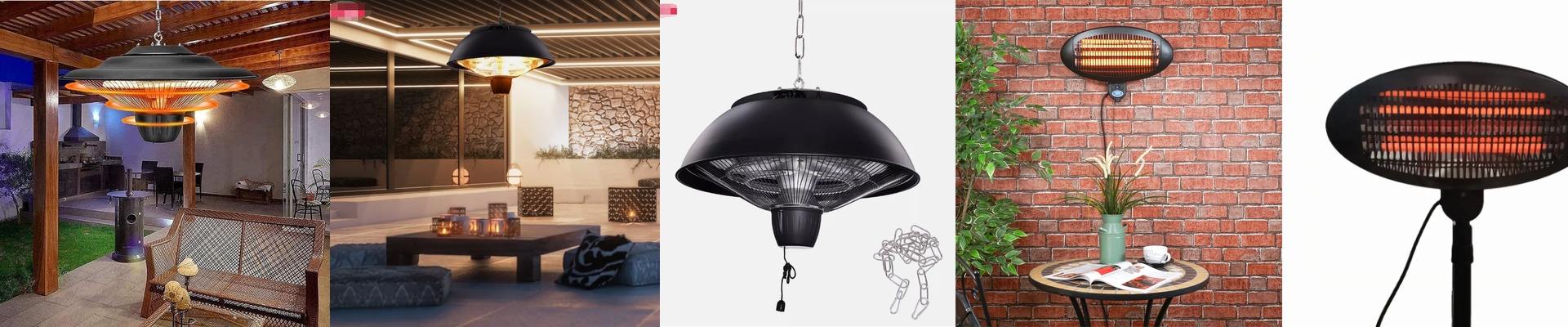
Stop Replacing Your Entire pergola Heater
Let’s be honest: outdoor gear takes a beating. Between the rain, the humidity, and those wild temperature swings, most heaters just aren’t built to last. Usually, when one little part gives out, you’re stuck throwing the whole expensive fixture in the trash. That’s a waste of money. So, we decided to do things differently.
Why Modular Actually Matters
Most heaters are built as one solid chunk. If a single heating tube pops, you’re basically starting from scratch. We went with a modular setup instead. Think of it like a cartridge. When an element finally burns out, you just slide the old one out and drop a new one in. No messing around with the chassis, no scary rewiring. If you need to fix something five years from now, it’s a five-minute job. You just swap the part that wore out and get back to enjoying your patio.
Keeping the Rain Out (And the Heat In)
Waterproofing is more than just slapping a plastic cover over a box. It’s all about the gaps. We use heavy-duty gaskets at every connection point to make sure moisture never touches the electrical terminals. But here’s the tricky part: these heaters gethot. Really hot. If you aren’t careful, that heat can actually melt your own waterproof seals. We spent a lot of time balancing the housing design so it breathes and sheds heat, keeping the seals safe while the infrared tubes blast enough warmth to actually feel it, even in an open-air breeze.
Maintenance Without the Headache
Replacing a tube shouldn’t feel like a weekend project. We used quick-connect terminals, which means a technician (or you) can swap the element without even opening the main control box. It’s fast. Simple. Just keep in mind that these high-intensity tubes do have a shelf life. After a few thousand hours, you’ll notice the glow dimming a bit. Since the design is modular, you can just keep a spare tube on the shelf. Suddenly, a “major repair” is just a quick part swap.