Stop Fighting Bathroom Mold with a Scrub Brush
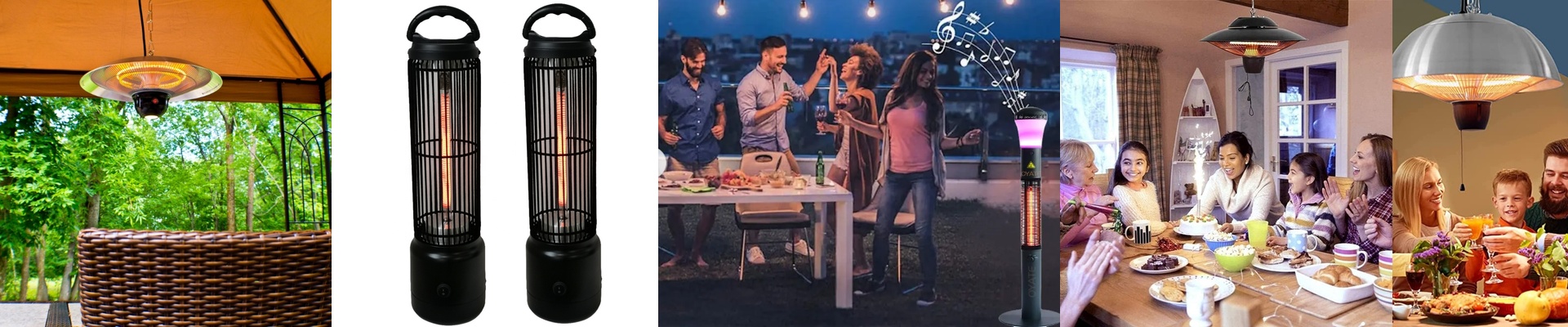
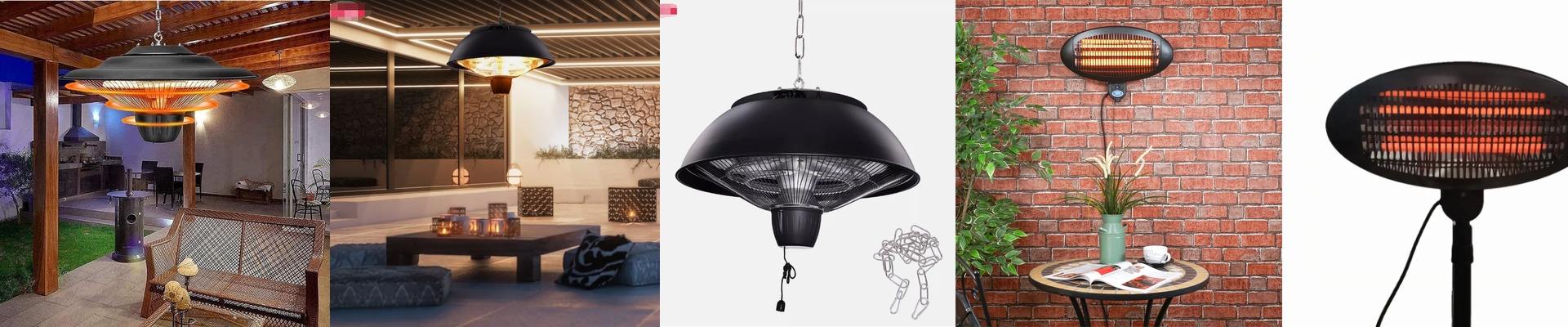
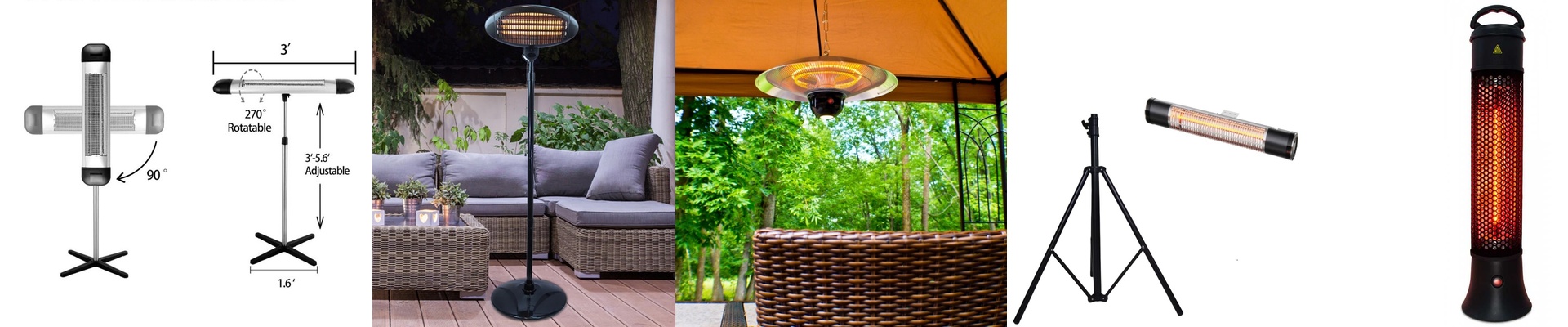
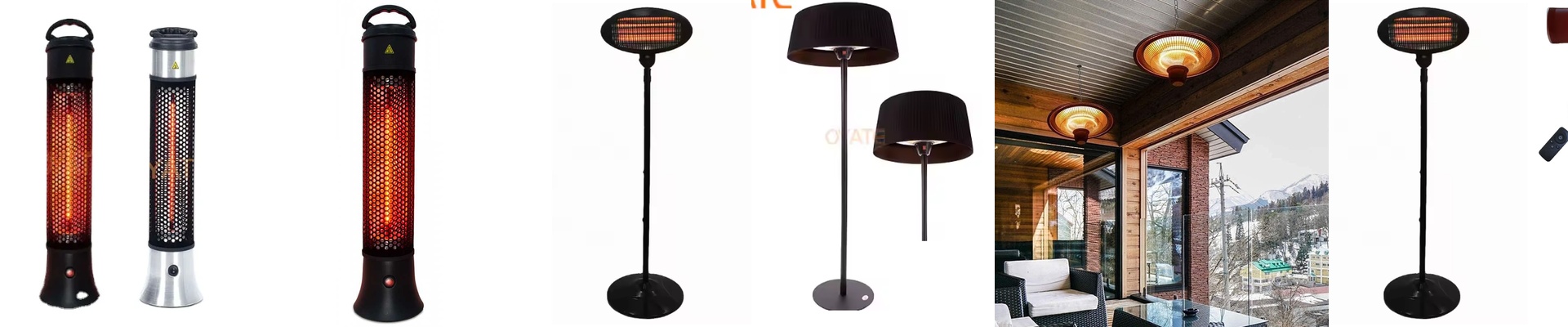
Most people think of those infrared bathroom lamps as just a way to keep from shivering when you step out of the shower. But there’s a much better reason to have one: it kills the damp. Here is the secret. When you put an IP66-rated heater in a steamy room, you aren’t just warming up your toes. You’re actually managing the dew point.
How it actually works
We use shortwave infrared because it doesn’t waste time heating up the air. Instead, the heat goes straight to your tiles, your walls, and that shower curtain. It makes those surfaces warm to the touch. And that’s where the magic happens. Water can’t condense on a warm surface. If the water doesn’t sit there, mold spores never get the chance to move in and start growing. It’s a way to dry out the room without having to install a giant, noisy ventilation system.
Built for the steam
You can’t just put any heater in a bathroom. That IP66 rating? It’s a big deal. It means the housing is sealed tight. No dust gets in, and more importantly, it can handle a direct blast of water without shorting out. We use heavy-duty gaskets and alloys that won’t rust or flake away in a humid steam room. Because if water hits the terminals, the whole thing is toast.
A few things to watch out for
It’s not all perfect. Shortwave lamps are fast—really fast—but they create intense heat in one spot. You have to be smart about where you put them. If they’re too close to plastic trim or cheap fixtures, you might actually warp the material. Also, keep in mind that these lamps pull a decent amount of power the second they kick on, so your wiring needs to be up for it. My advice? Put them on a timer. Run them for about 15 minutes after you’re done showering. It’s plenty of time to wipe out the moisture without running up your electric bill or turning your bathroom into a sauna.