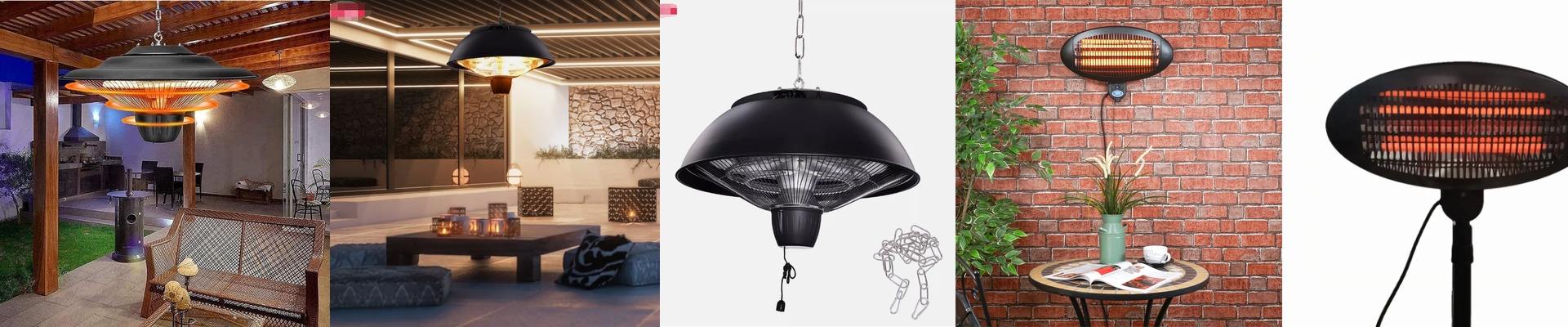
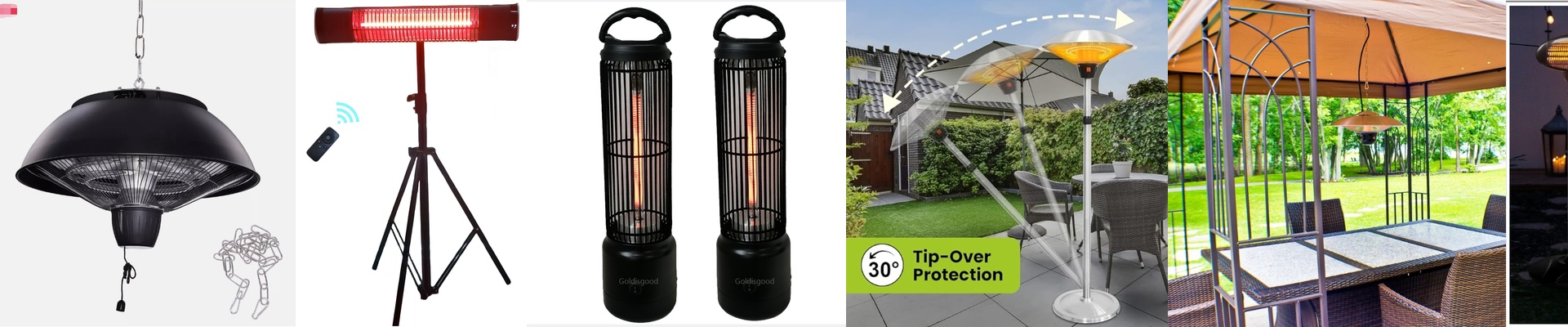
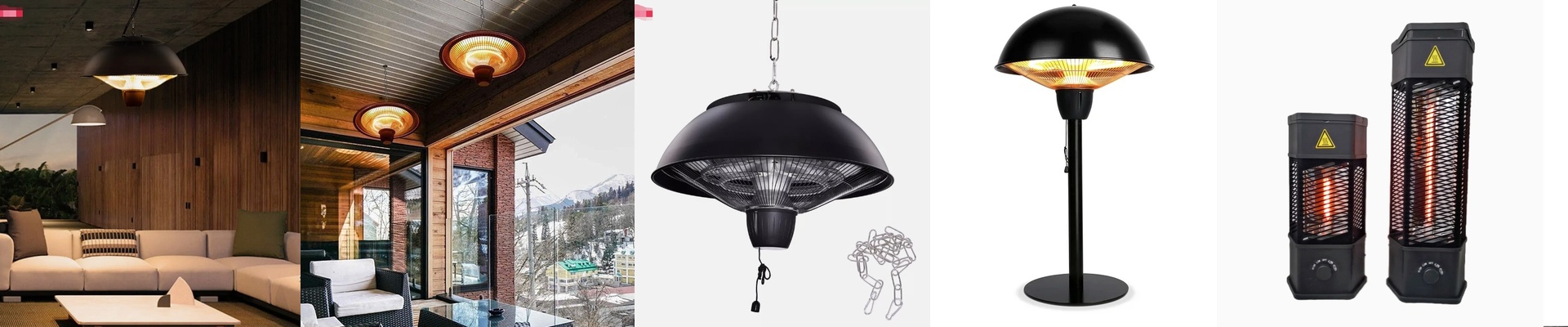
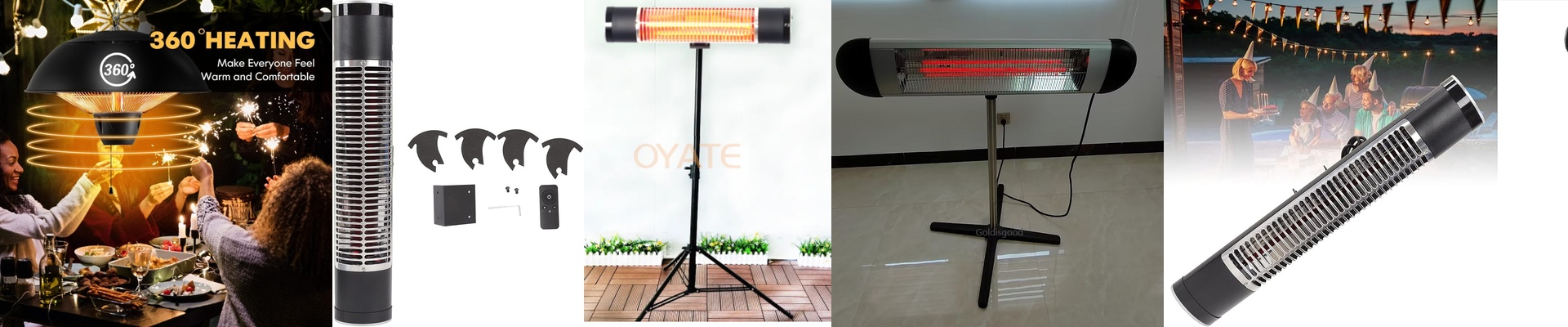
Why Our Bathroom Heaters Actually Last
Let’s be honest: bathrooms are a nightmare for electronics. You’ve got thick steam, wild temperature swings, and water practically spraying everywhere. It’s the kind of environment that eats electrical components for breakfast. We don’t just “hope” our infrared lamps hold up based on some math on a whiteboard. Instead, we try to break them. Every single batch goes through a brutal humid-heat aging process.
The battle against moisture
Here’s the thing about water vapor: it’s sneaky. It finds the tiniest gaps in seals and coatings that you can’t even see. Once that moisture touches the internal circuitry or the quartz tube terminals, it’s game over. You get oxidation, a short circuit, and a dead heater. To stop that, we throw our heaters into high-temperature, high-humidity chambers. We basically create a sauna from hell to force those failures to happen in our lab, rather than in your customer’s home. It speeds up the wear and tear on gaskets and insulation so we can see exactly where the weak points are.
Beating the steam
We use specific coatings to keep the heat high and the corrosion low. But coatings can peel, and seals can leak. Our rule is simple: if a unit can’t handle 48 to 96 hours of saturated steam at 60°C without the insulation resistance dropping, it’s garbage. We scrap the whole batch. No exceptions.
The balancing act
There’s a tricky trade-off we have to manage. If we seal the unit too tight to keep the water out, the quartz tube can actually crack when it heats up because it has no room to expand. But if we leave it too loose? Steam gets in. It’s a constant tug-of-war. Those aging tests are the only way we find that “sweet spot”—where the unit stays bone-dry but the glass doesn’t blow. We’ll give you the data sheets for these tests because “water-resistant” is just a word people put on boxes to sell things. “Aging-tested” is a fact. It means you’re getting a product that won’t quit the first time someone takes a long, hot shower.