
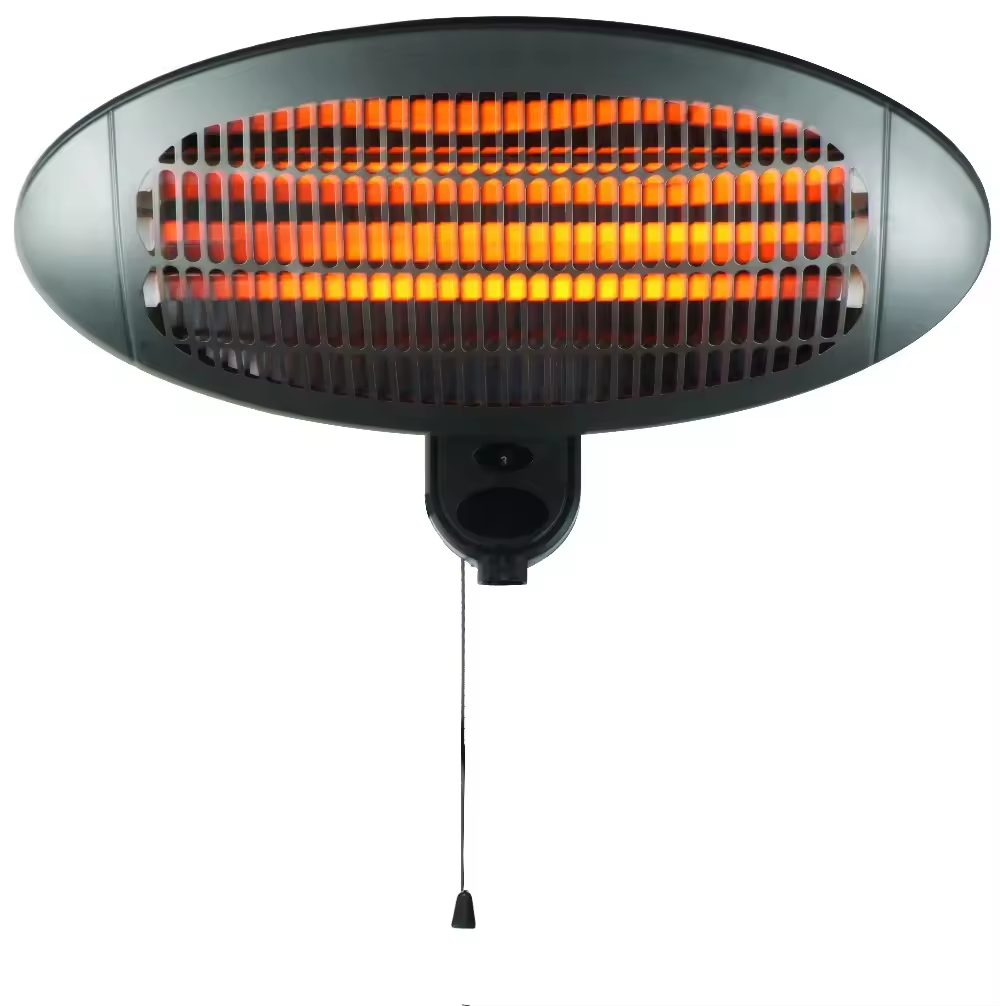
Keeping Your Bathroom Infrared Heaters from Becoming a Hazard
Putting infrared lamps in a bathroom is a bit of a gamble if you aren’t careful. You’ve got constant steam, dripping water, and high humidity. If you just use a standard housing, you’re asking for trouble. For us, the real battle is won or lost right where the heating element meets the power supply. The battle against moisture Here’s the thing: water vapor is sneaky. It finds its way through the tiniest gaps in standard seals. To stop that, we lean on high-grade silicone gaskets and IP-rated enclosures. The goal is simple: keep the electricity away from the water. We pick insulation materials that can handle 90% humidity without breaking a sweat. Because if those seals give way? You’re looking at a ground fault, and nobody wants that in a shower. Heat, cold, and the “shake” Think about what these lamps actually do. They go from room temperature to scorching hot in seconds, then cool back down. That constant expansion and contraction puts a ton of stress on the wiring. If you use cheap wires or loose connectors, they’ll eventually wiggle free or just burn out. A loose connection creates a “hot spot.” That’s where the insulation melts, and suddenly, your safety rating is gone. We use heat-resistant wiring and mechanical connectors that actually stay put. The tricky balancing act Now, you might think, “Just seal the whole thing in plastic!” But there’s a catch. If you seal a heater too tightly to keep the water out, you trap the heat inside. The driver components will overheat and fry themselves. It’s a tug-of-war between waterproofing and airflow. We solve this by using heat sinks or vented chassis—basically, we find a way to let the electronics breathe without letting the steam in. We put these units through the wringer in high-humidity chambers to make sure they don’t leak current. But remember, the best heater in the world can’t save you if your building’s grounding is a mess. Make sure your earth ground is solid before you flip the switch.