Keeping Your Chemical Lines from Blowing Up: The Truth About Carbon Fiber IR Lamps
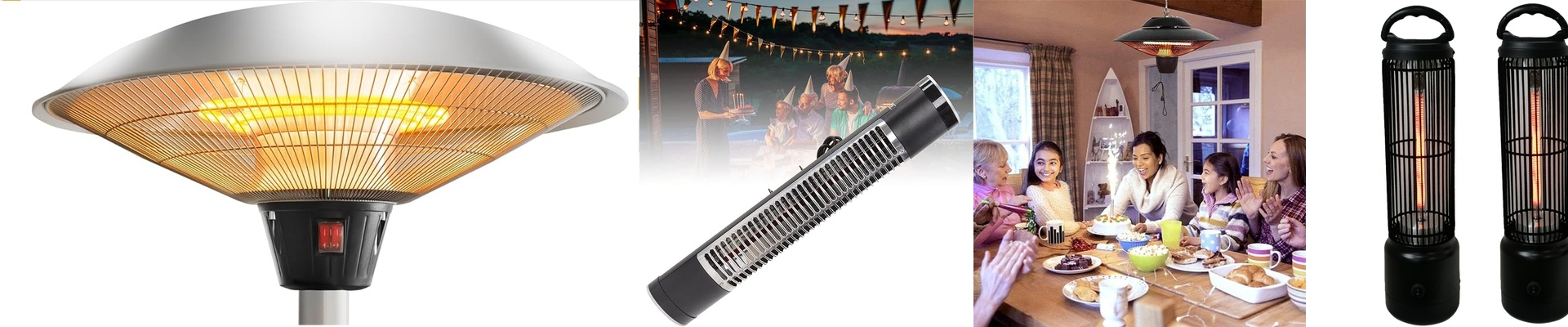
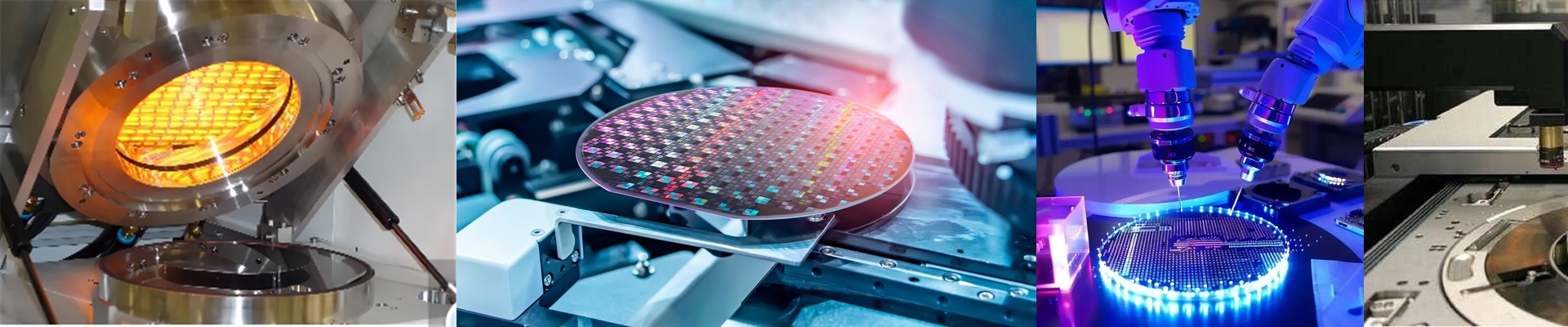
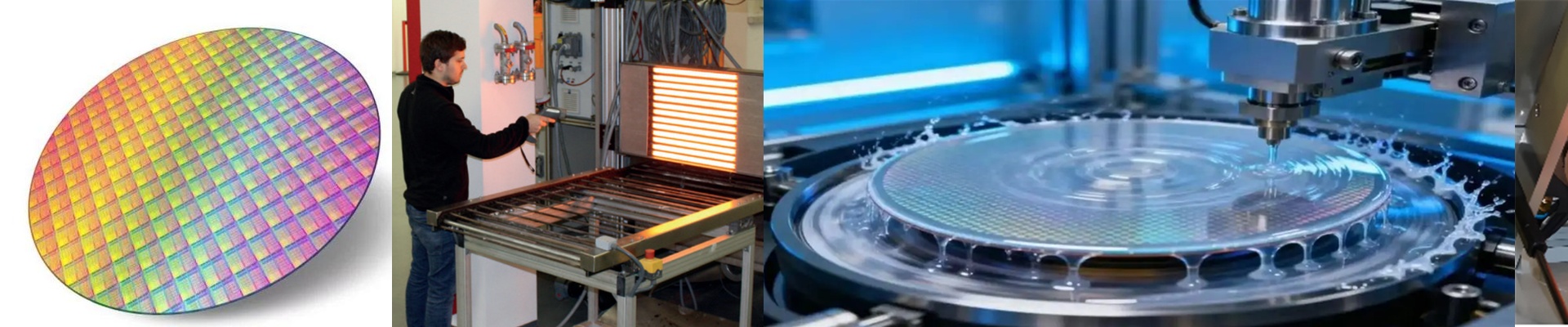
If you’re running chemical cleaning lines, you already know the vibe. It’s a tense environment. You’ve got volatile solvents and flammable vapors hanging in the air, and in that setting, a standard infrared lamp isn’t just a tool—it’s a liability. One stray spark or a hot surface hitting a chemical mist, and you’ve got a disaster on your hands. We handle this by swapping out the old-school tech for carbon fiber heating elements and wrapping them in some serious explosion-proof armor. Why carbon fiber? Here’s the thing about tungsten: it’s brittle. It snaps when you push it too hard or cycle it too fast. But carbon fiber? It handles thermal stress like a pro. In a chemical cleaning setup, you need to dry parts fast. You need that heat to ramp up quickly, but you also need the lamp to stay stable so it doesn’t just burn out. These lamps hit a lower surface temperature than those short-wave quartz types, but the heat still penetrates deep. It’s a much safer way to get the job done without accidentally igniting the vapors floating around your equipment. The “Armor” (Encapsulation) The real secret is in how we seal these things. We take the carbon fiber element, tuck it into a high-purity quartz tube, and then shove that inside a housing that can actually stand up to harsh chemicals. We don’t mess around with the edges, either. We use flame-retardant gaskets and sealed cable entries. Why? Because if corrosive fumes leak in and hit the live electrical terminals, you’re in trouble. Our design keeps the electrical arc completely isolated from the air. It’s all about peace of mind. The Trade-offs Now, look, nothing is perfect. All that protective casing adds weight. Because of that thermal buffer, you’ll notice the lamps don’t react quite as instantly as a bare bulb would. It’s a slight lag, but it’s the price you pay for safety. Also, don’t try to just slide these into a standard open-air rack. They’re heavier. You’ll need to make sure your mounting brackets are beefy enough to hold the extra weight of the casing. We build these to take a beating from the nastiest chemicals you can throw at them. Just do me a favor: make sure your ventilation system is actually rated for your solvent load. Because if the room is full of fumes, no amount of fancy engineering can keep the site safe.