Stop Letting Ozone Mess Up Your Smart Fab
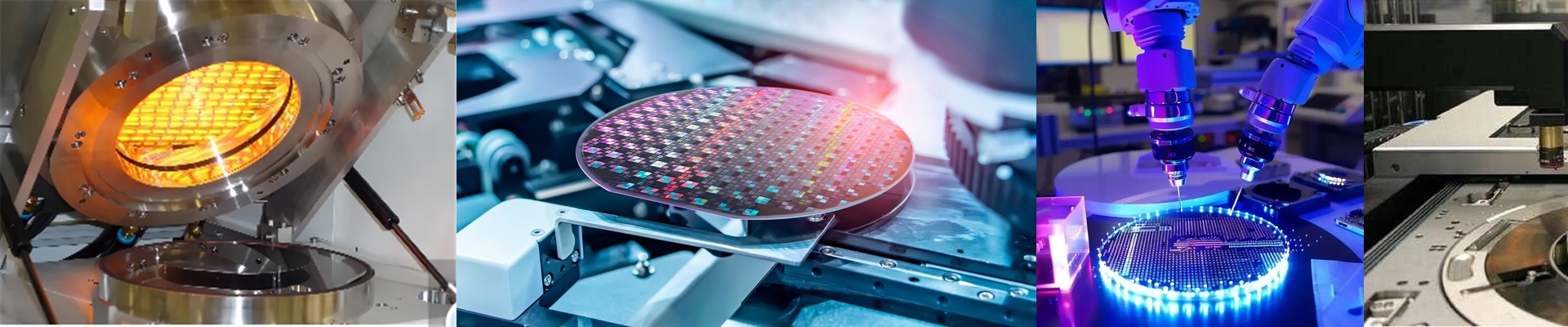
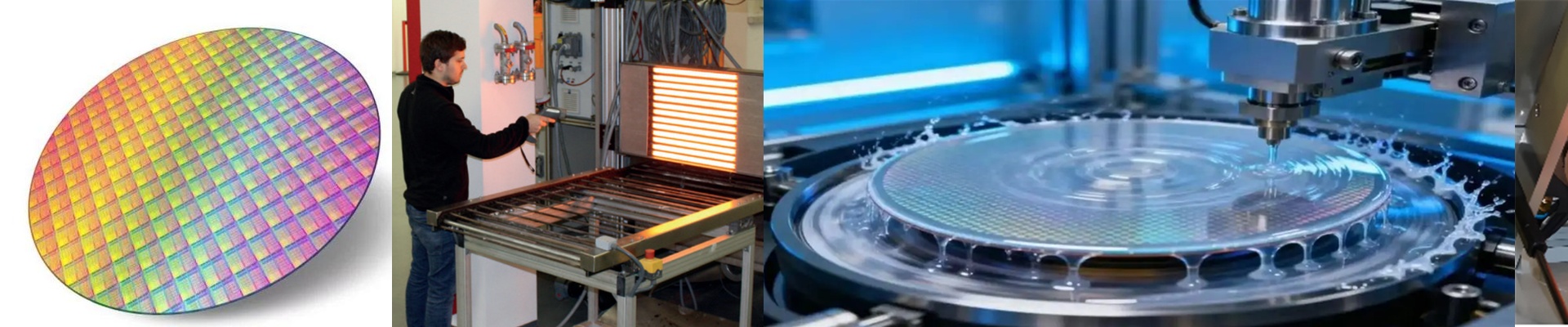
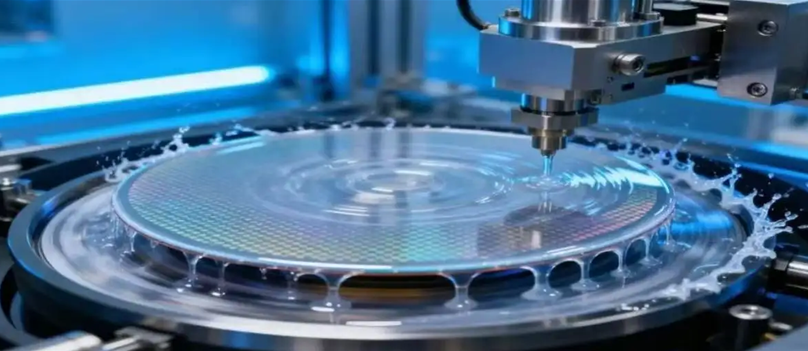
If you’re putting together a Smart Fab for Industry 4.0, you can’t just treat heat as an afterthought. It’s a common trap. Here’s the problem: standard shortwave IR lamps have a nasty habit of producing ozone (O3) because of the UV they kick out. In a cleanroom or a digitized plant, ozone is basically poison. It eats away at your sensitive electronics and sets off safety alarms that nobody wants to deal with at 3 AM. That’s why we use ozone-free infrared lamps. It just removes that headache entirely. How it actually works We don’t do anything fancy or mysterious. We just use a specialized quartz coating or specific filaments that block those vacuum ultraviolet (VUV) wavelengths. The result? You get the heat you need without ionizing the air around it. You still get those lightning-fast ramp-up times that shortwave IR is known for, but without the chemical mess. Your wafers and substrates stay clean. Simple. Turning heat into data Smart Fabs live and breathe data. But for too long, heating elements have been “dumb” blocks of metal that just get hot. We’ve changed that. Our IR systems are built to talk to your software. By hooking these lamps up to PLC-controlled power supplies and closed-loop PID controllers, you can actually see what’s happening in real-time. You can track wattage and temperature gradients as they happen. Suddenly, your heating zone isn’t just a tool—it’s a data point. If a lamp starts to degrade or your power drifts across the line, you’ll know before it becomes a crisis. The honest trade-offs Look, high-density IR output puts a real strain on your gear. These lamps are fast, but that concentrated heat flux is intense. It can chew through mounting brackets and fry your wiring if you aren’t careful. You’ve got to make sure your cooling manifolds are actually beefy enough to handle the radiant heat leaking from the housing. If your cooling fails, things get ugly fast—we’re talking warped frames and burnt-out connectors. The best way to handle this is to wire everything into a synchronized grid. It keeps the heat uniform across the whole Fab, lets you keep the footprint small, and pushes your throughput higher.