Why we’re switching to CNT Infrared Heating for semiconductors
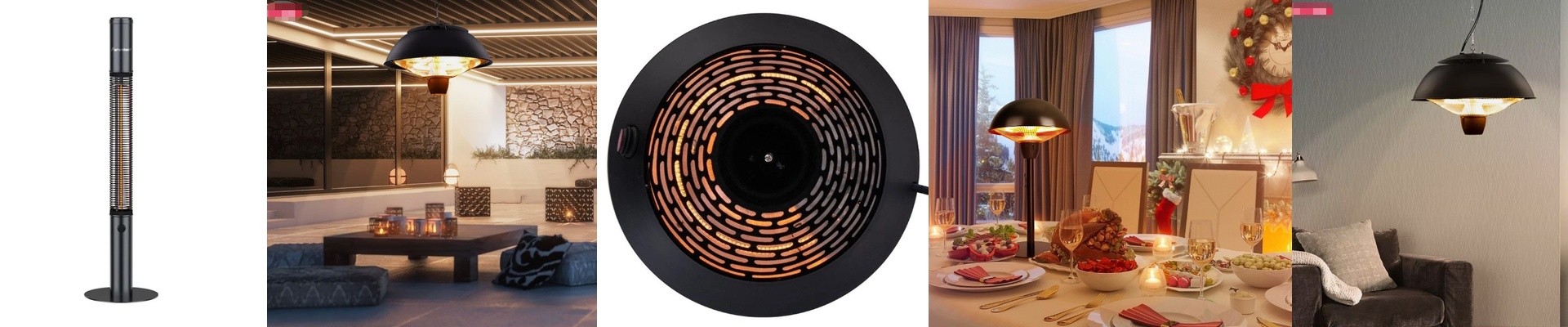
The semiconductor world is under a lot of pressure right now. Between lead-free mandates and the push to slash energy waste, the old-school convection ovens just aren’t cutting it anymore. That’s why we’ve moved toward Carbon Nanotube (CNT) heaters. Instead of blowing hot air around a room, these heaters use direct radiant heat. No hazardous elements, no clunky air circulation—just clean, efficient warmth.
How the heat actually works
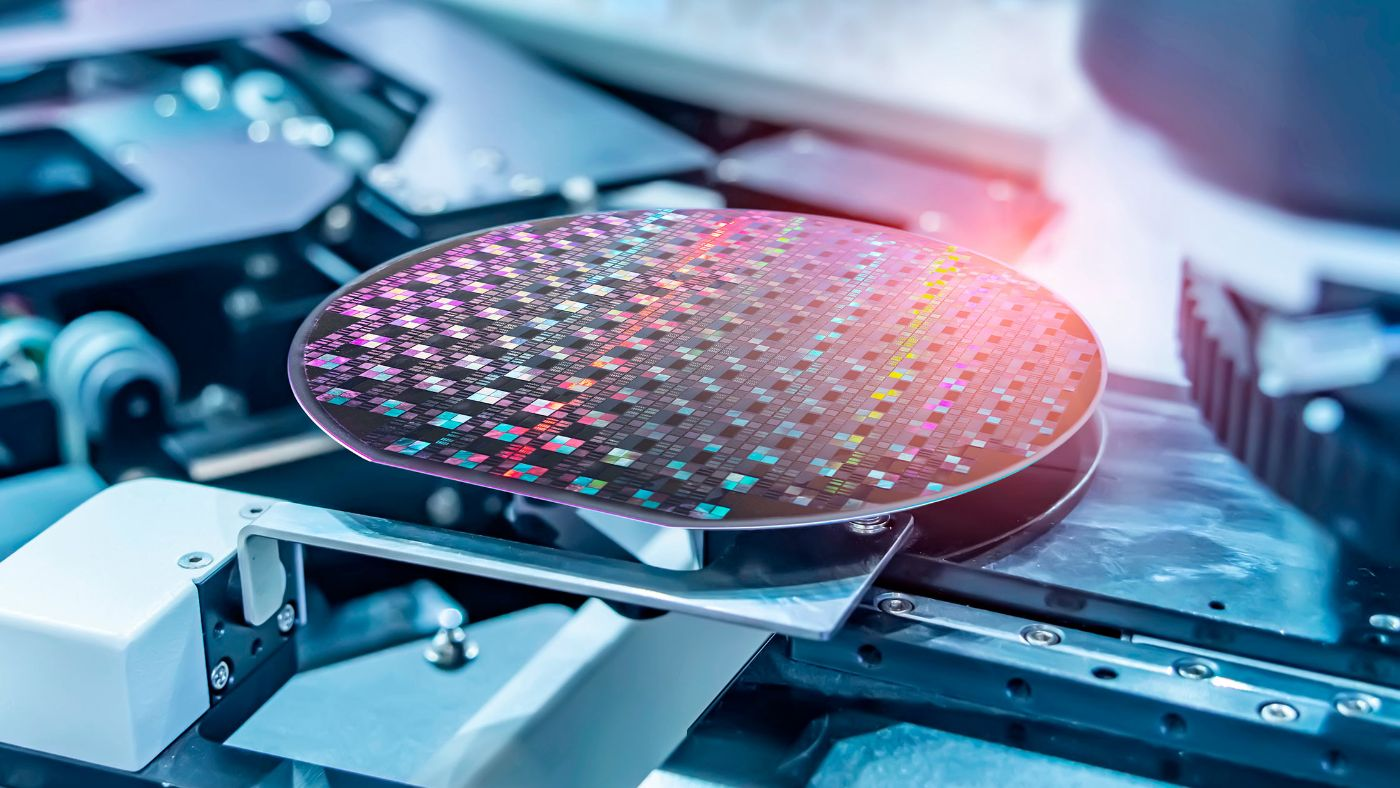
Here is the cool part: CNT heaters work by running a current through a network of carbon nanotubes. Because these nanotubes have an incredible amount of surface area, they hit your target temperature almost the second you flip the switch. It’s fast. Really fast. And because the heat is spread so evenly across the wafer, you don’t have to worry about those annoying “hot spots” that warp lead-free solder joints. Plus, you’re only heating the part you actually need to heat, not the entire air-filled chamber. It just makes sense.
The nitty-gritty details
Getting lead-free curing right is a bit of a balancing act. If you go too hot, you fry the substrate. Too cold, and the solder won’t wet. CNT heaters give you that tight control you need to get the ramp rate exactly right. They don’t off-gas any VOCs and they don’t need fuel, which makes the cleanroom managers very happy. On the floor, these units take up way less space than a massive convection oven. But a quick heads-up: they’re sensitive to power spikes. If your facility’s voltage jumps around, it can wear down the nanotube matrix over time. We always suggest using a dedicated regulator so you don’t burn them out prematurely.
Making the switch
Moving to CNT IR curing is a breath of fresh air for your energy bill. You get to kill that long “warm-up” period entirely. You just wire it in, set your rate, and get to work. It’s a simple swap for those old quartz lamps that tend to crack when things get too hot or cold. You get faster cycles, a cleaner workspace, and a lot less stress on the line.