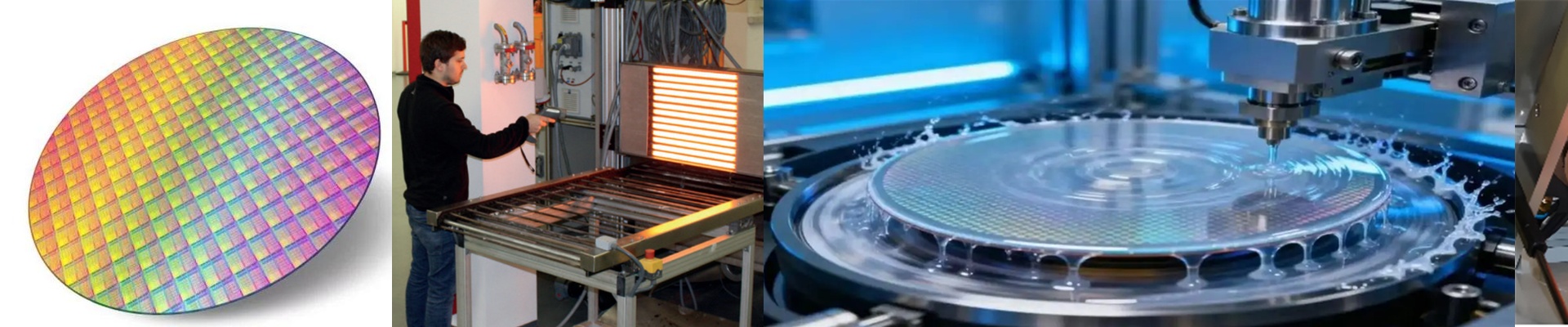
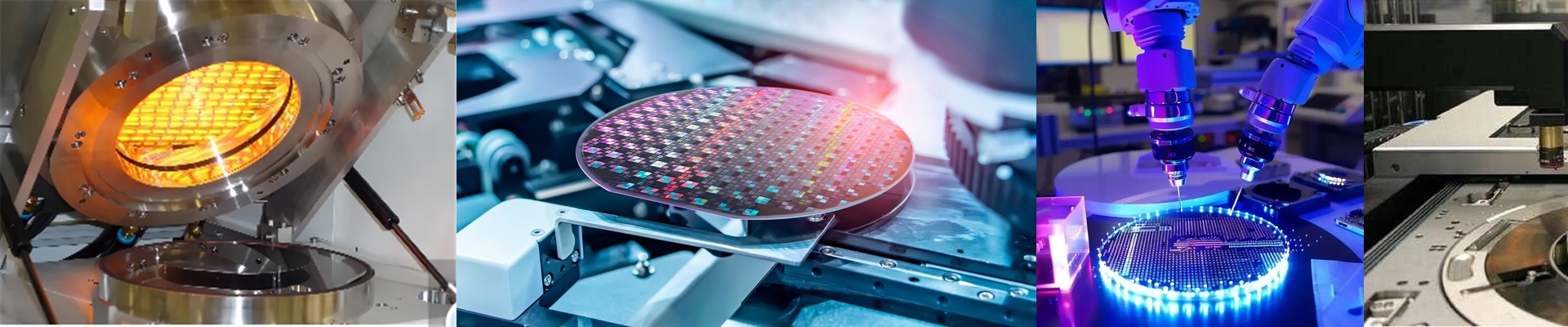
Keeping Your Wafer Drying Clean (And Your Yields High)
When you’re drying MEMS sensor wafers in a Class 100 cleanroom, you can’t afford any surprises. One tiny flake of material or a bit of outgassing from your heat source, and your yield just tanked. It’s frustrating. That’s why we stick with high-purity synthetic quartz IR lamps.
Why the quartz actually matters
Here’s the thing: standard glass or the cheap stuff just doesn’t hold up. When you push them to high temperatures, they can leach metallic impurities. Even worse, they might crack or “dust” when you cycle the heat quickly. Nobody wants that. We use high-purity quartz because it handles thermal shock like a pro. Plus, because it’s IR radiation, the heat penetrates the moisture on the wafer and evaporates it instantly. No touching, no rubbing, and absolutely no mechanical scratches.
Cutting out the junk
To get the wattage you need for fast drying, it all comes down to what’s inside the lamp. We use high-grade tungsten and high-vacuum seals to make sure no gas leaks out. You get a concentrated burst of shortwave IR that hits the wafer exactly when it should. And we’re very picky about the “extras.” You won’t find cheap adhesives or organic coatings on these lamps. Why? Because those things burn off. And when they burn, they contaminate your cleanroom. Every single part—from the quartz envelope to the electrodes—is chosen because it doesn’t off-gas. Period.
The real-world trade-offs
Now, these lamps are powerful, which means they get hot. Not just at the wafer, but at the ends of the lamp too. You’ll want to double-check your cooling manifolds. If your airflow is too weak, the heat will build up at the sockets and start eating away at your wiring over time. It’s a simple fix, but a critical one. We’ve kept the footprint tight so they slide right into your automated handling tracks. They fit just like a standard IR array, but the purity is what actually keeps your sensors from failing inspection.