

Keeping Things Safe in Explosive Chemical Wash Zones
If you’ve spent any time in a semiconductor clean room, you know the setup: trolley heaters sitting right on top of chemical wash baths. It’s a nerve-wracking spot. You’ve got flammable solvents on the bottom and high-heat elements on top. In a setup like that, a basic IR lamp isn’t just a tool—it’s a risk. That’s why we don’t do “standard.” We build our infrared systems with heavy-duty encapsulation to make sure nothing ignites and the chemicals don’t eat the hardware.
The Secret is in the Seal
A quartz tube isn’t enough. To actually handle an explosive atmosphere, we tuck the IR elements into specialized housings. We use high-grade gaskets and explosion-proof seals where the wiring enters. Why? Because if chemical vapors leak into the electrical connections and hit a live terminal, you get a spark. And in this environment, a spark is the last thing you want. Plus, we coat the outer guards in materials that laugh at corrosive wash liquids. Without that, the chemicals would just chew through the housing and leave your heating element totally exposed.
Heat That Actually Behaves
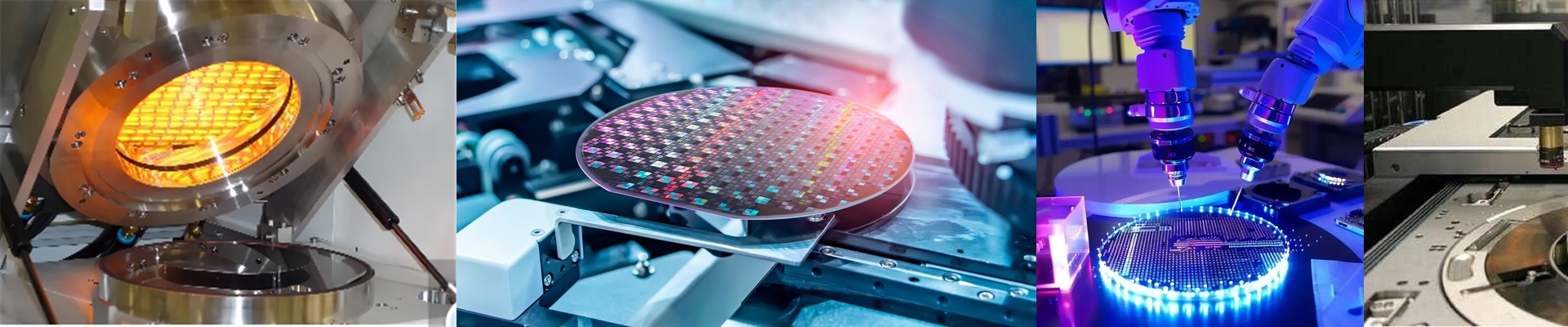
These lamps use high-intensity short-wave radiation. It’s powerful. It means your trolley hits the target temperature fast, without needing a massive, clunky footprint. But power is useless if you can’t control it. We use PID controllers to keep things steady. If the lamp runs too hot, you risk flashing your chemicals or warping the trolley structure. It’s all about that sweet spot.
The Real-World Trade-off
Here’s the honest part: high-wattage IR lamps put out a lot of radiant heat. Even with the best encapsulation, that heat can get trapped around the terminals. This is where your ventilation comes in. You have to get your cooling fans right. If the housing stays too hot for too long, those seals will eventually start to degrade. My advice? Don’t just set it and forget it. Pop the hood and check your seal integrity every six months. It’s the only way to be sure your explosion-proof rating is actually holding up in the grit of the shop floor.