Stop Heating Your Chamber Walls
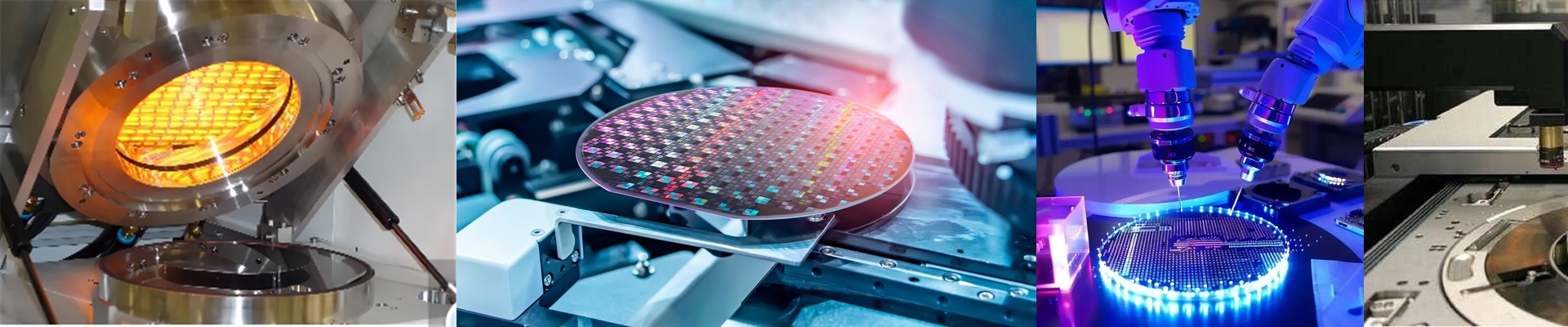
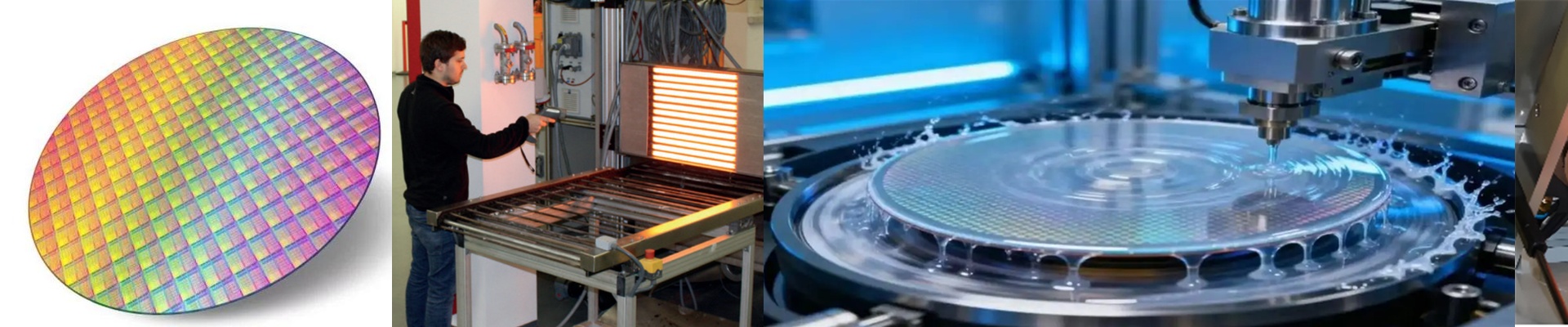
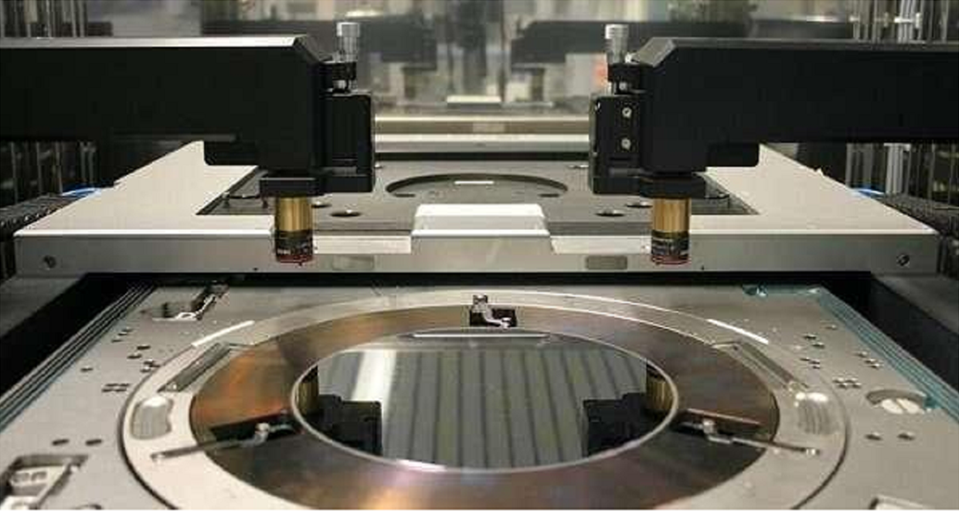
If you’ve ever worked with standard convection or omnidirectional heating in a semiconductor chamber, you know the frustration. You’re trying to heat the wafer, but you end up heating everything except the wafer. The internal walls get scorching, the tool’s chassis takes a beating, and your operators are basically walking around a giant safety hazard. It’s a waste of energy and a headache for everyone involved. We handle this differently. We use directional infrared (IR) lamps that put the energy exactly where it belongs: right on the wafer. How it actually works Think about a resistive heater. It throws heat in every direction, 360 degrees. It’s messy. Our IR lamps use reflectors and specific wavelength tuning to push that energy forward. Instead of the surrounding equipment acting like a giant sponge for heat—what we call the “hot wall” effect—the thermal flux stays focused. The wafer hits its target temperature, and the rest of the machine stays chill. The trade-offs (and how to handle them) Now, these high-wattage lamps are intense. They’re fast. Really fast. But that intensity means you can’t slack on your cooling jackets. If your alignment is off or your reflector gets dirty, you’ll start seeing heat bleed into the walls again. The trick is getting your focal length dialed in perfectly. Keep the heat on the substrate, and you’re golden. What this means for your day-to-day First off, your facility’s chillers aren’t working nearly as hard. You also get a much tighter thermal profile across the wafer, which means your process uniformity gets a nice boost. Plus, maintenance is way less stressful. You aren’t fighting residual heat soaking into the inner walls when you need to get in there and fix something. Just a heads-up on the wiring: make sure your power supply can take the initial hit. These lamps jump to full output almost instantly. They don’t slowly warm up like those old ceramic elements. It’s a bit of a balancing act. You get much faster cycles, but you’ll need to tune your PID controllers for a rapid response so you don’t overshoot your target.