
Stop Fighting the Ceiling: A Better Way to Heat Changing Rooms
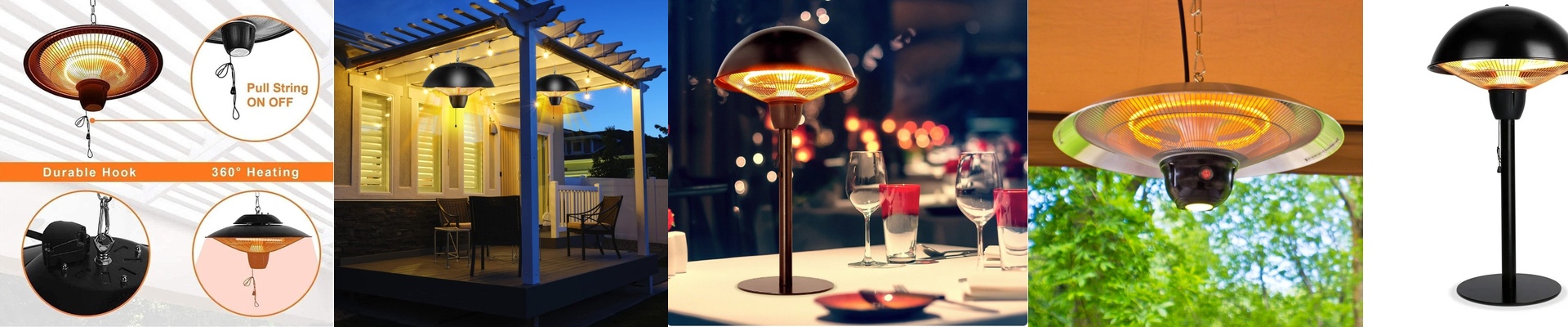
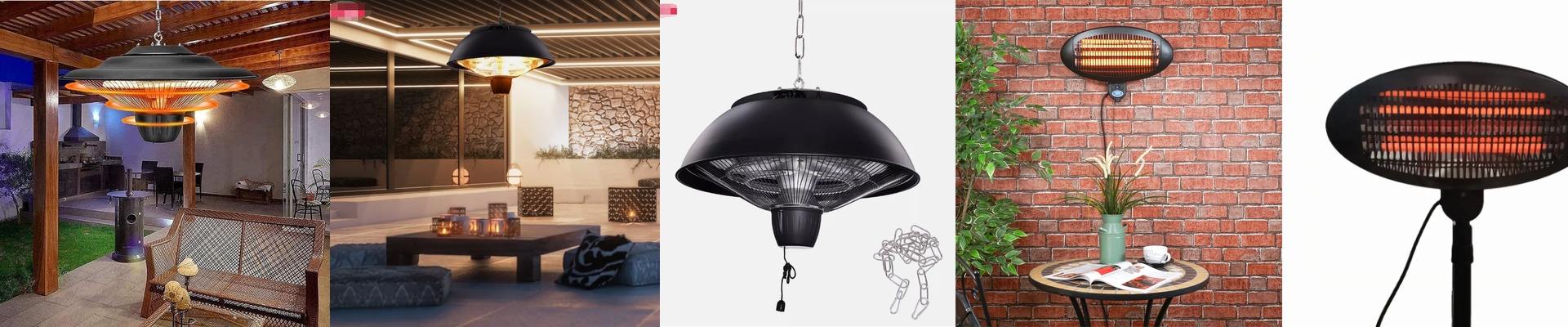
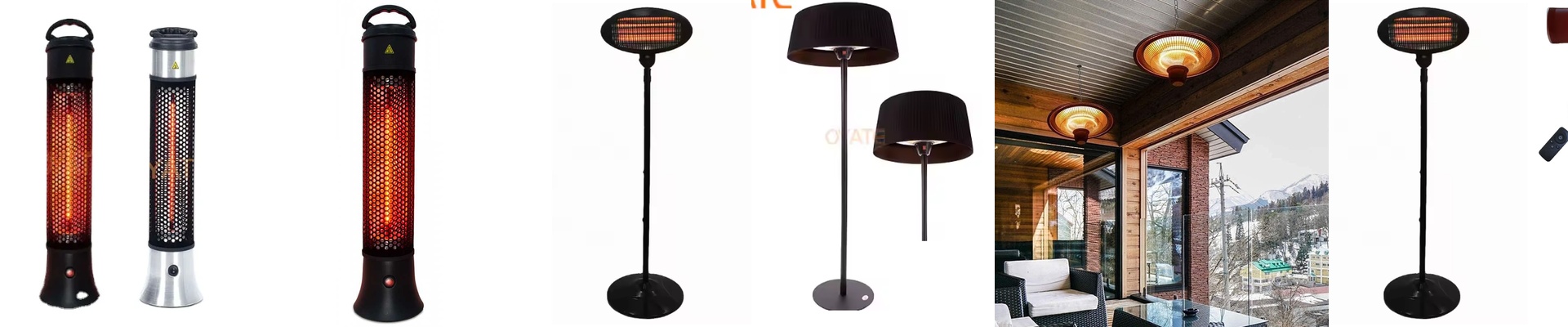
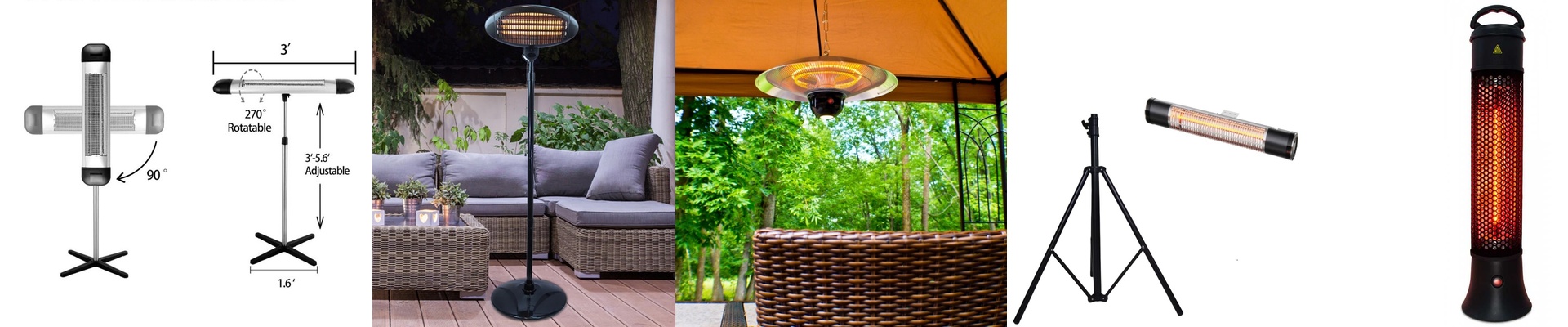
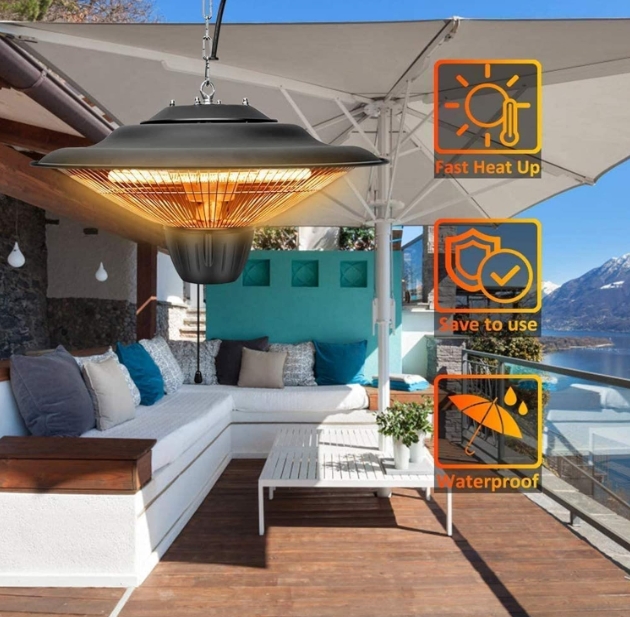
If you’ve ever tried to heat a factory changing room with high ceilings, you know the struggle. You crank up the heat, but all that warmth just floats straight to the ceiling. Meanwhile, your team is still shivering on the floor. It’s a waste of money and a headache for everyone. The problem is that traditional forced-air systems try to heat the air. We take a different approach. We use shortwave infrared radiators that basically ignore the air entirely. How it actually works Think of it like the sun. You can feel the sun’s warmth on your skin even on a freezing winter day because the heat doesn’t need warm air to travel. It just hits you. Our units do the same thing. They send out waves that go straight through the cold air and hit the floor, the lockers, and the people. You step under the lamp and you feel it instantly. It doesn’t matter if your roof is thirty feet high or if the bay doors are wide open letting in a draft—you’re warm the second you walk in. The technical side of things To make this work from a high ceiling, we use high-wattage quartz elements. They get hot enough to make sure the warmth actually reaches the ground. One quick tip: make sure your power grid is stable. If you’ve got long factory runs with voltage drops, you’ll end up with uneven heat or, worse, burnt-out filaments. We also use special reflectors to keep the heat focused. Instead of wasting energy warming up the ceiling joists, the heat goes exactly where it’s needed: on your people. What to watch out for during install You can’t just swap these in like an old boiler radiator and call it a day. The layout is different. You have to actually map out the room to find the “dark spots”—those annoying patches where the heat doesn’t reach. And be careful with the height. If you mount them too low, it feels like standing too close to a campfire—it’s oppressive. Too high, and you lose that “instant” warmth. It’s all about finding that sweet spot. Also, give your electrical panel a heads-up. These units have a bit of a surge when they first kick in, so make sure your gear can handle the jump.