Stop Losing Customers to the Cold
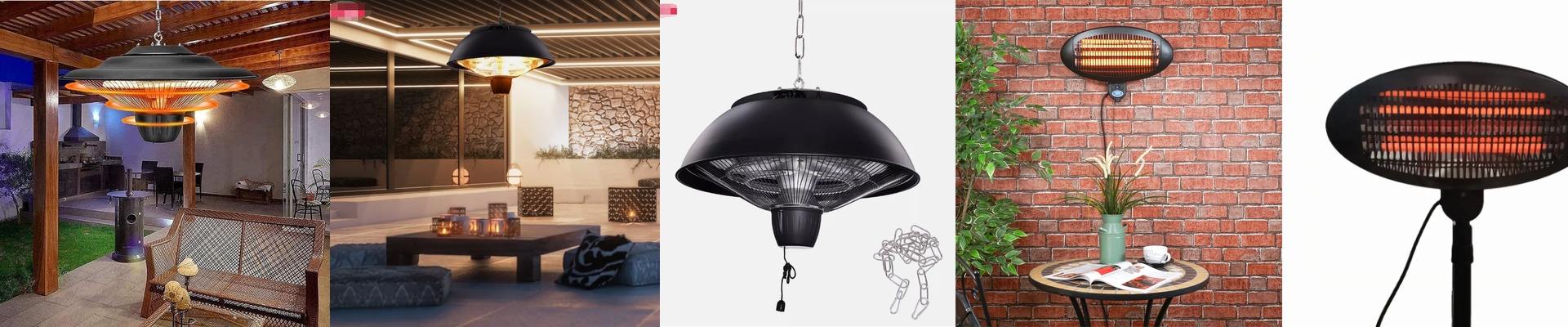
It’s a frustrating cycle. You’ve got a great outdoor space, but as soon as the temperature dips, your guests start eyeing the door. When people are shivering, they don’t linger. They eat quickly, skip dessert, and leave. We fix that with infrared heaters. Here is the secret: most heaters try to warm up the air. In an open-air patio, that’s a losing battle because the wind just carries the heat away. Our units don’t bother with the air. They use short-wave radiation to warm up the people and the furniture directly. It feels like sitting in the sun on a crisp October day.
Rain, Splashes, and Peace of Mind
Electronics and water usually don’t mix. That’s why we use the IPX4 standard. In plain English? These things can handle splashes from any direction. If a light rain starts or your staff is spraying down the patio, you don’t have to panic and start hauling equipment inside. You just leave them up and keep serving.
Getting Guests to Stay (and Order More)
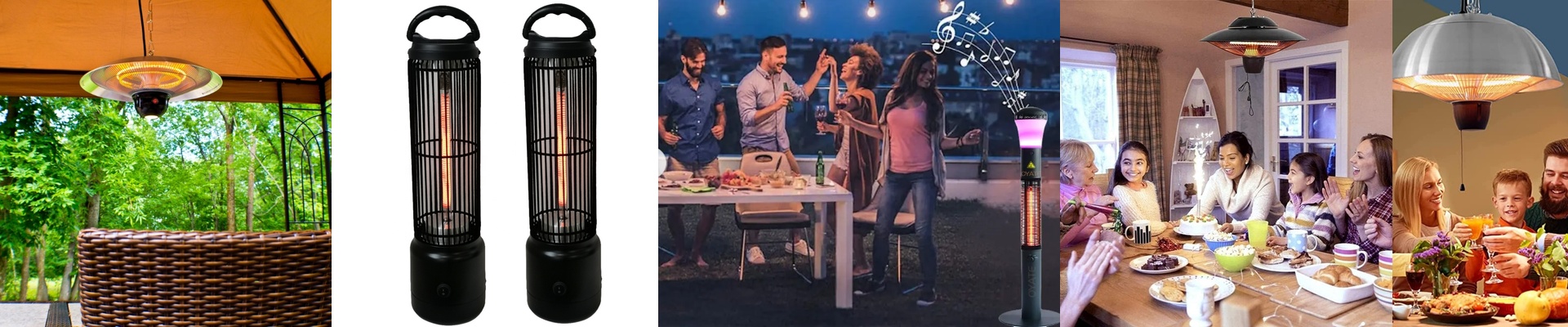
If a guest sits down and has to wait ten minutes to “warm up,” you’ve already lost them. That’s why we use high-wattage elements. They hit peak temperature in seconds. The moment someone sits in that zone, they feel an instant wave of warmth. It’s a physical relief that makes them want to stay for another round of drinks. Plus, you can actually aim the heat. You aren’t wasting energy trying to warm the entire sidewalk; you’re just hitting the tables where the money is.
The Real-World Setup
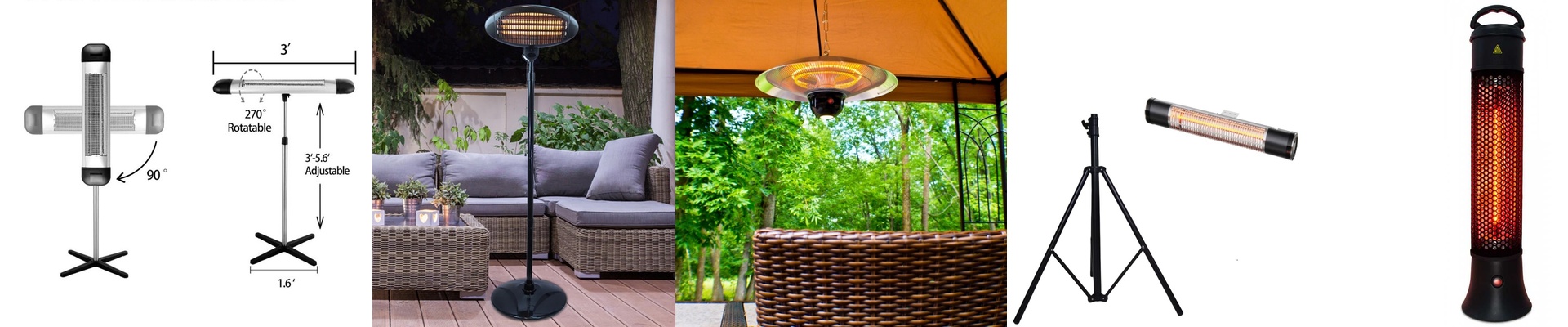
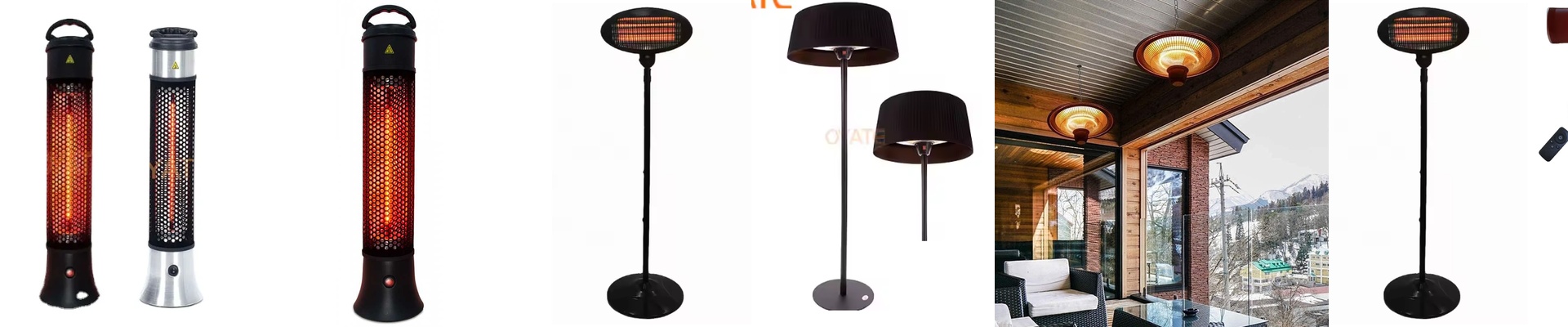
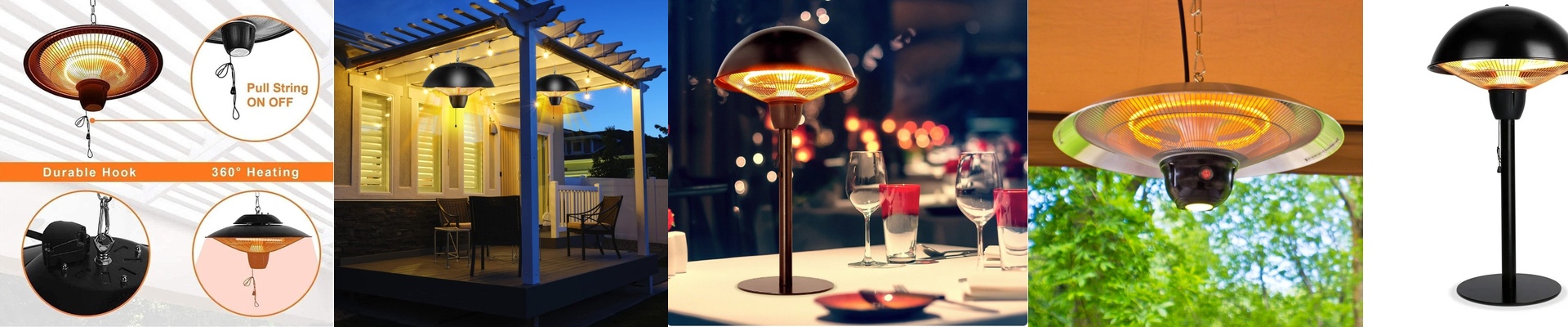
We design these to mount overhead. It keeps your floors clear and your guests from tripping over cords. One heads-up on the electrical side: these pull a lot of power. If you’re putting in ten or more units, definitely check your breakers. You don’t want the lights to go out right during the Friday night rush because the heaters overloaded the circuit. And just a tip on the layout—infrared heat is focused. If a guest shifts their chair two feet to the left, they might hit a “cold spot.” To avoid that, we suggest overlapping the heat cones. A little bit of overlap ensures that no matter how your guests shuffle around, they stay warm.