Getting More Heat onto Your Wafers
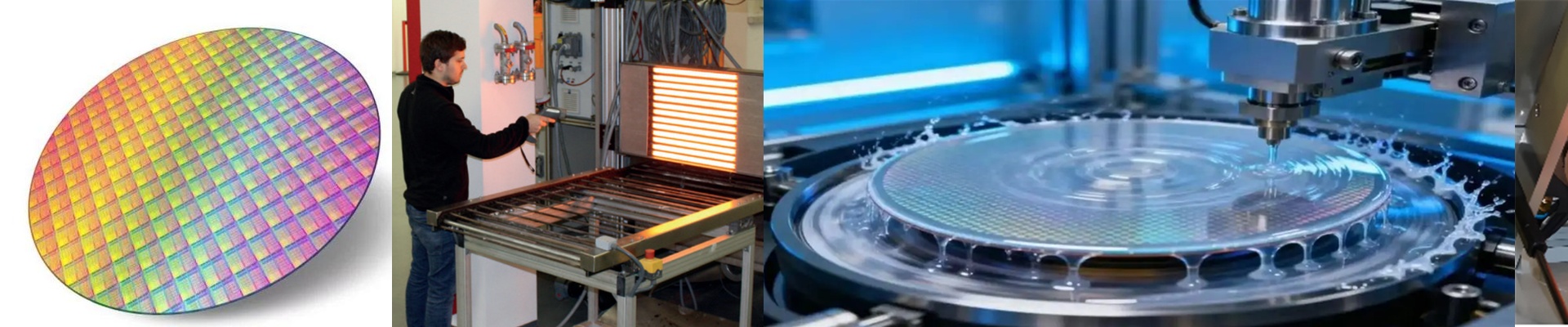
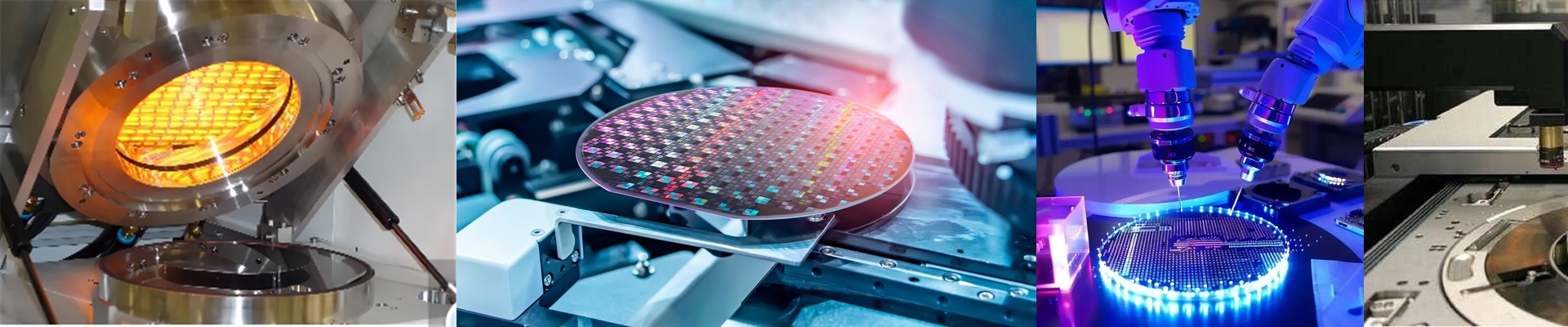
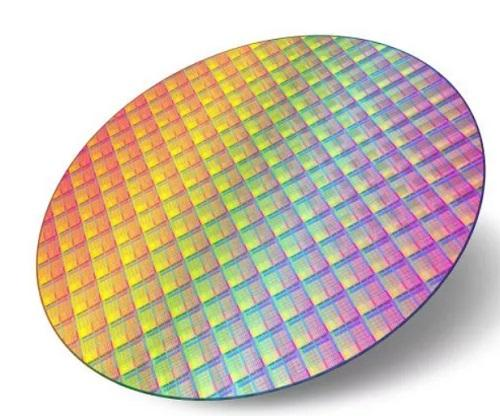
When you’re heating silicon wafers, you’re basically in a fight against energy loss. The problem with standard reflectors is that they’re leaky—too much heat just drifts off into the chamber walls and disappears. That’s why we use gold-coated reflectors. Instead of letting that energy bleed away, we force it right back onto the wafer. Why gold? It comes down to how gold handles infrared light. It’s just way better at reflecting it than aluminum or stainless steel. By using a high-purity gold layer, we stop the reflector from soaking up the heat itself. More photons hit the target. You get a much higher heat density without having to crank up the wattage and stress your system. Finding the “Sweet Spot” for Distance The gap between your lamp and the wafer is where things get tricky. It’s all about balance. If you push the lamp too close, you’ll get hot spots. One minute you’re heating, the next you’ve warped a wafer. But if you pull it too far back, you’re just heating the room. We tweak the geometry of the reflector to focus that radiation. It lets you keep a safe physical gap without losing the punch of the thermal energy. Just keep in mind: the tighter the focus, the more intense the heat, but the smaller your “uniform zone” becomes. You’ll want to set your distance based on how wide your wafers are and how fast you need them to ramp up. The Real-World Trade-offs Now, gold is amazing for energy, but it’s soft. It can’t handle a rough scrub or harsh abrasive cleaners. If your process involves nasty chemical vapors, you’ve got a choice: either shield the reflectors or get used to replacing them more often. And one last thing—because you’re concentrating so much heat in one spot, keep an eye on your cooling manifolds. Make sure they’re sized right, or you’ll risk burning out your lamp sockets during those long cycles.