Stop Heating the Air: A Better Way to Handle Thermal Efficiency
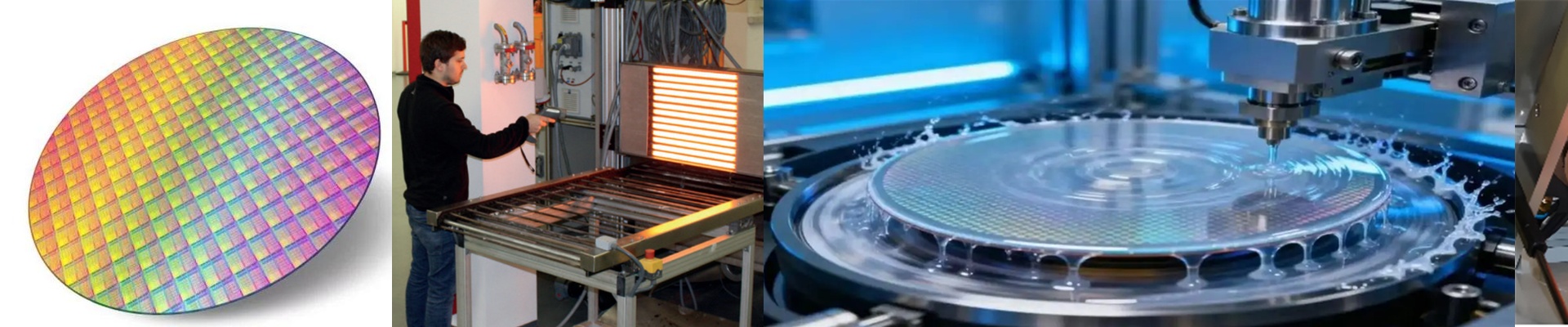
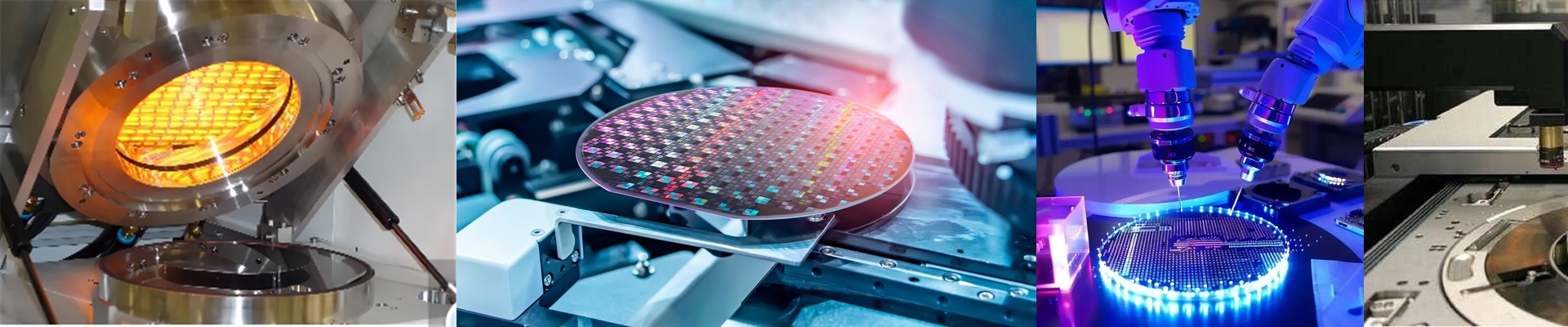
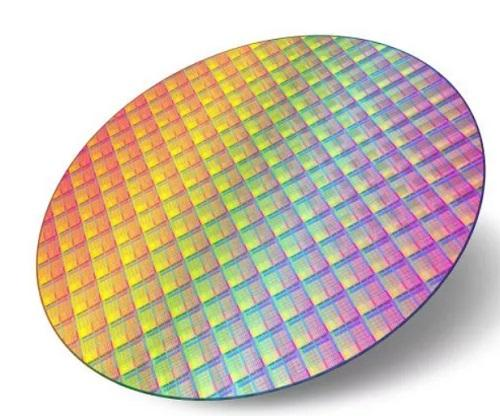
If you’re working in semiconductor fab, you know the struggle of trying to hit those exact thermal targets without your energy bill skyrocketing. Most people just throw more heat at the problem, but that’s a waste. We do things differently with gold-coated twin tube lamps. Think of these as precision tools, not just “heaters.” Why the gold? Standard quartz tubes are leaky. They bleed a ton of energy into the air through convection, which is basically just heating the room for no reason. By adding a gold coating, we change how the heat moves. Instead of scattering, the infrared energy gets pushed forward, right onto the wafer. It’s a tighter beam. Because the heat is actually going where it’s supposed to, you don’t need as much power to hit your temperature. Your kWh per wafer drops, and suddenly those “green factory” goals actually feel doable. The “Twin Tube” trick We went with a twin tube design to cram more heating surface into a smaller space. You get way more wattage density without the hardware getting bulky. The real win here is speed. Your ramp-up times get faster. And when a part spends less time in the heating cycle, the whole machine draws less power. Simple as that. The honest trade-offs Look, nothing is perfect. These high-density IR systems put a real strain on your power supply. If you’re pushing for those lightning-fast cycle times, make sure your electrical panels can handle the surge. You don’t want a blown fuse in the middle of a run. Then there’s the “gold” problem. That coating is incredibly efficient, but it’s also picky. A single fingerprint or a stray chemical splash can create a hot spot. If that happens, the lamp burns out way too soon. **Pro tip: Wear your gloves.**Keep the housing spotless, and these things will last. At the end of the day, we’re just trying to kill off the inefficient convection oven. Why heat the air when you can just heat the part?