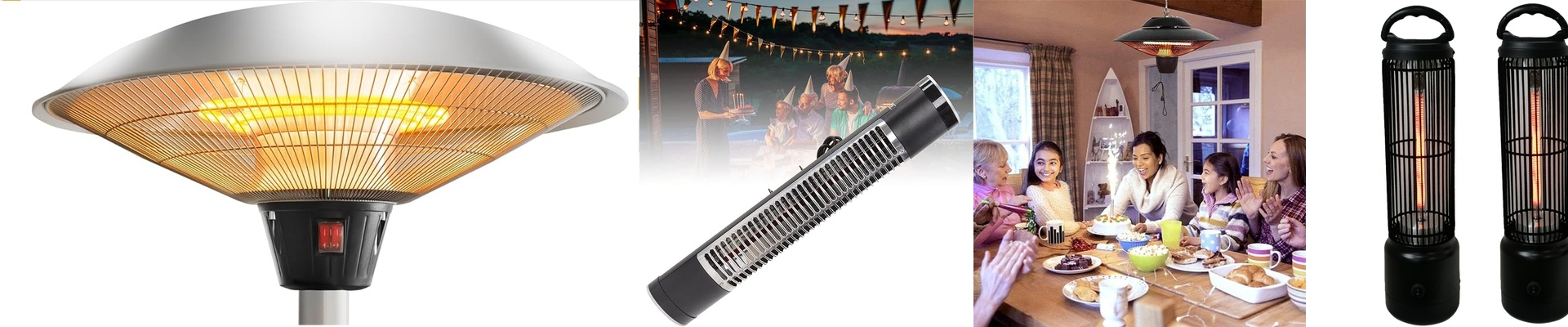
Making the Switch to Infrared in Your Smart Fab
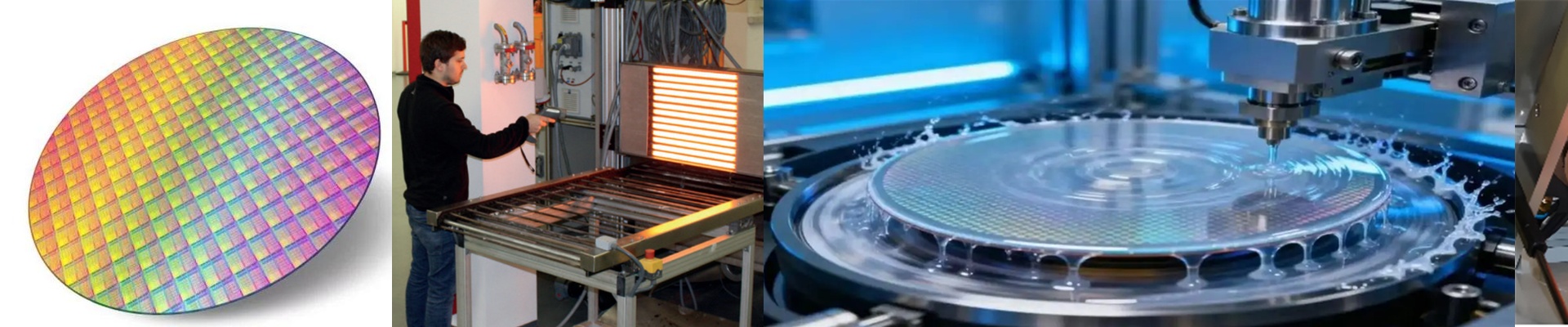
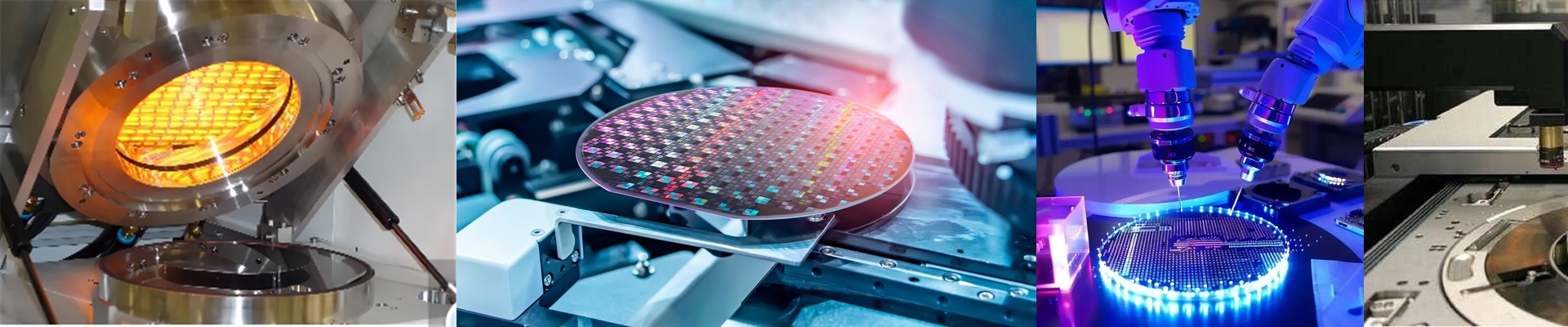
If you’re trying to get your Clean room up to speed with Industry 4.0, you’ve probably realized that just slapping a few sensors on your equipment doesn’t actually solve the problem. The real headache is the heat. You need something that actually listens to your digital controllers without lagging. That’s where infrared (IR) systems come in. They’re the go-to for a reason: they push heat directly onto the target. No blowing air around, no stirring up dust, and—most importantly—no contaminants messing up your yield. Stop fighting the lag Ever used those old-school heating elements? They’re slow. By the time they hit the right temperature, your window has already passed. It’s frustrating. IR is different. It responds almost the second your PLC sends a command. When you hook these into a digital loop, you can see exactly what’s happening with your temperature profile in real-time. If something drifts, you fix it on the fly. It takes the guesswork out of maintaining those tight tolerances that keep your boss happy. The magic of direct heat Here is the cool part: IR uses electromagnetic radiation. It hits the surface directly. In a fab, this is a lifesaver because it means you can ditch those massive convection fans. Those things are basically giant dust-blowers. By switching to short-wave and medium-wave emitters, the heat sinks into the substrate fast, your footprint gets smaller, and your air stays clean. The “Gotcha” (Read this before you buy) Now, it’s not all plug-and-play. High-density IR arrays are power-hungry. If you go for high-wattage emitters to get those lightning-fast ramp-up speeds, your electrical panels are going to feel it. You can’t just drop these into an ancient setup and hope for the best. Check your current draw and make sure your cooling manifolds can handle the surge, or you’re going to blow a fuse. But once you’ve got the power sorted? You’re looking at a “dark factory” setup. Everything runs itself. No more spending hours manually tuning an oven or staring at scrap piles because a heating cycle was slightly off. It just works.