Keeping Your Class 100 Cleanroom Actually Clean
When you’re heating a glovebox in a Class 100 environment, you’re fighting a hidden battle. It’s not just about hitting a certain temperature—it’s about the invisible stuff. Most standard heating elements are a nightmare for this. They off-gas or shed tiny micro-particles that can wreck a semiconductor wafer or mess up your battery electrolytes in a heartbeat. One tiny flake of debris and your whole batch is toast. That’s why we stick with high-purity synthetic quartz for our IR lamps.
The Material Stuff
We use fused silica quartz because it just handles the heat better. Standard glass tends to break down when things get hot, but this stuff stays chemically inert. Basically, you don’t have to worry about particles shedding or weird chemicals leaking into your controlled atmosphere. The quartz tube creates a tight, hermetic seal around the tungsten filament, keeping the mess inside where it belongs.
Power and Heat
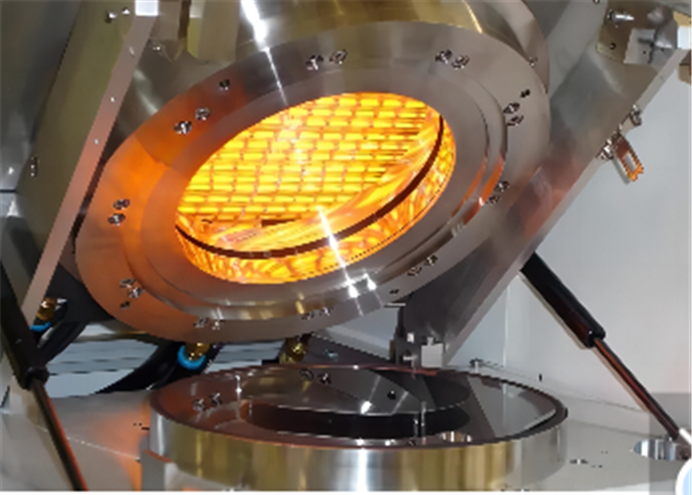
If you want a fast ramp-up inside a glovebox, you need a lot of heat in a small space. We build these lamps to pack a punch. By pushing more power through a shorter tube, the surface temperature spikes quickly. This gives you that short-wave IR that penetrates deep and fast. **One heads-up, though:**these high-density lamps pull a lot of juice. Make sure your transformers can handle that initial inrush current. Nobody likes blowing a fuse right as they’re starting a run.
Getting it Set Up
We kept the connectors standardized, so these should slide right into your existing rigs without a fight. Whether you’re tinkering with a custom glovebox or running a full production line, they just fit. We even polish the quartz to get rid of those tiny surface imperfections. Why? Because that’s where dust loves to hide. At the end of the day, it’s a simple choice. You spend a bit more on the high-purity materials now so you don’t have to eat the cost of a contaminated batch later. It’s just cleaner physics.