
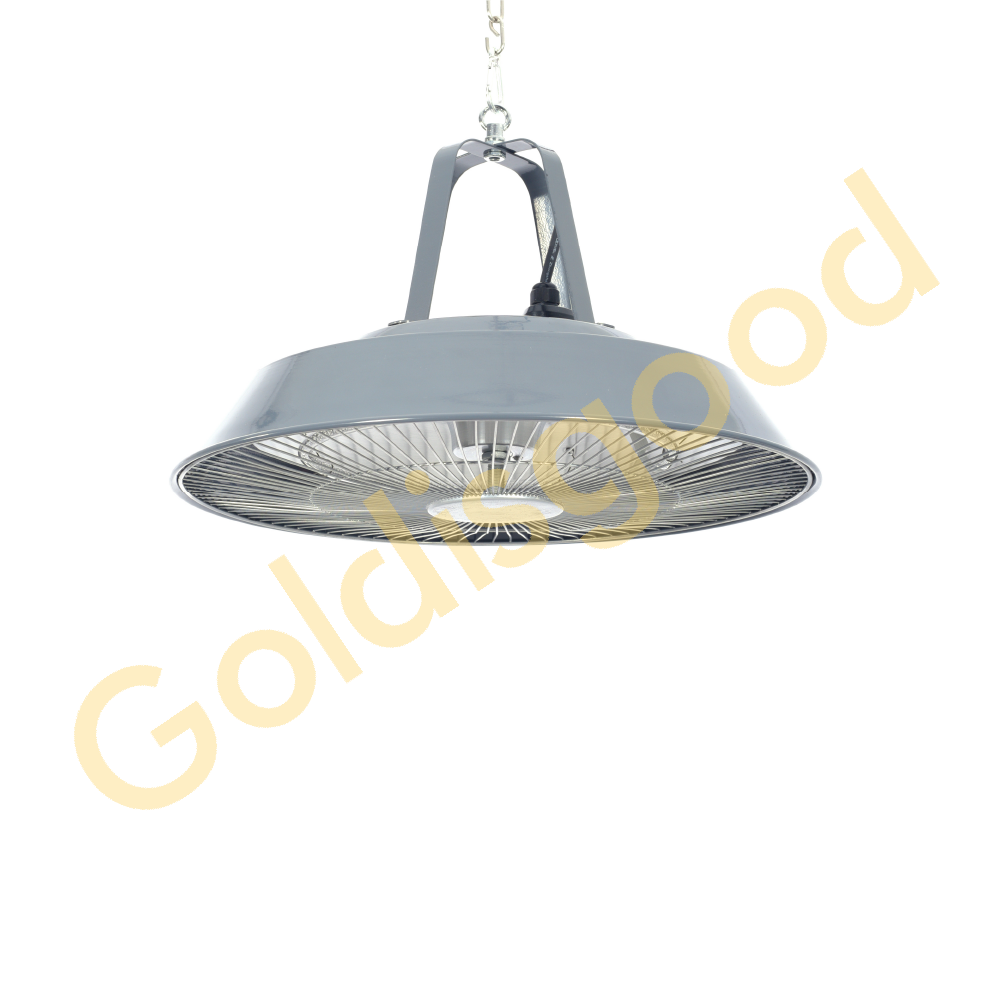
The Truth About Why Your IR Heaters Actually Die
Here’s a little secret from the shop floor: most ceiling-mounted infrared heaters don’t die because the heating element gave up. It’s almost always the wiring. When you hang a heater overhead, those lead wires end up sitting right in the middle of a heat soak zone. It’s brutal. A lot of the cheap stuff you see on the market uses basic shrink tubes or some low-grade silicone. It looks fine on day one, but after a few hundred heat-and-cool cycles, that stuff just cracks. Once the insulation goes, you’ve got a short circuit on your hands. The “Leak” Problem The real danger zone is that tiny gap where the electrical wire enters the heater housing. I’ve seen “consumer-grade” units that just use a glob of glue or a loose rubber gasket. Those leak. Every time. Over time, that heat eats away at the wire jacket until it turns into carbon. Not great. We do things differently. We use a multi-stage compression process with high-temp fluoropolymer seals and reinforced ceramic bushings. It creates a tight, vacuum-like barrier that keeps the heat away from the copper core. Because if air and moisture can sneak in, your terminals start to oxidize, and that’s the beginning of the end. The Balancing Act It’s a bit of a tug-of-war. You want a high wattage so the room warms up fast, but more power means the lead-out gets hotter. If you’re packing a bunch of these into a tight array, the air around the wiring can get scorching. We try to fix this by offsetting where the wires enter the unit, but you still have to give your ceiling mounts a little breathing room. Even the best seals in the world will eventually take a beating if there’s zero airflow. Safety Isn’t Optional At the end of the day, a properly sealed lead is what stops electricity from leaking into the chassis. When a heater is bolted to your ceiling, a chassis leak is a nightmare you don’t want to deal with. We spec our wiring to handle 200°C of continuous heat without breaking a sweat. It’s the difference between a heater that you’re replacing in two years and one that just keeps humming along for a decade.