Keeping Your IR Heaters Safe Around Flammable Chemicals
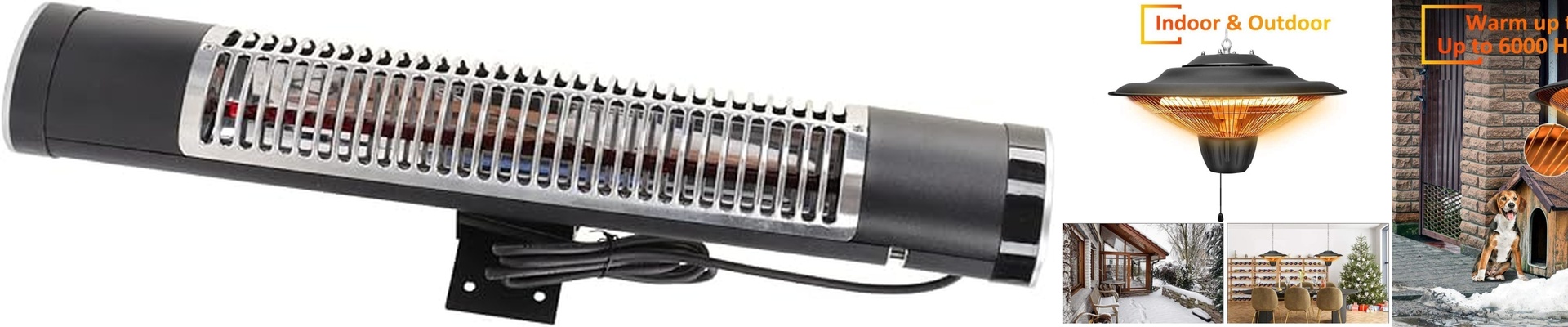
Let’s be honest: putting infrared lamps in a chemical cleaning line is a bit like playing with fire. You’ve got volatile vapors and corrosive gunk floating around. If you just throw in a standard open lamp, you’re basically asking for a disaster. We handle this by wrapping the heating element in a specialized seal and using high-purity aluminum reflectors. It keeps the heat where it belongs and the atmosphere where it should stay—outside.
Why the Aluminum Reflector Matters
We stick with anodized aluminum for the housing. It does two things at once. First, it pulls excess heat away from the ends of the lamp so things don’t overheat. Second, it bounces that IR radiation straight onto your workpiece. This means the heat doesn’t leak into your chassis. Plus, because the parabolic shape focuses the energy so tightly, you don’t have to crank up the power as much to hit your target temperature. It’s just more efficient.
Stopping Explosions Before They Start
When you’re working with flammable solvents, one tiny spark or a hot spot on a housing can trigger a nightmare. To stop that, we slide the whole IR assembly into a sealed, chemical-resistant sleeve. Think of it as a shield that keeps those dangerous vapors from ever touching the hot quartz tube. We also use heavy-duty gaskets where the wiring enters the housing. It keeps the whole thing airtight. Just a heads-up: if you’re running high-wattage lamps, make sure your cooling system is up to the task. If heat gets trapped inside that enclosure, you’ll burn through your lamps a lot faster than you’d like.
Dealing With Corrosion
Standard steel doesn’t stand a chance against chemical cleaning agents. They’ll eat right through it. That’s why we treat our aluminum reflectors to stop oxidation and pitting. We want that surface to stay like a mirror. Once a reflector starts to pit or degrade, your heat distribution goes sideways, and you end up with “cold spots” on your parts. By focusing on the grade of the material and the tightness of the seal, we make sure the system doesn’t leak or rot away while it’s sitting in a bath of chemicals.