


Why Gold Reflectors Actually Matter in Your Fab
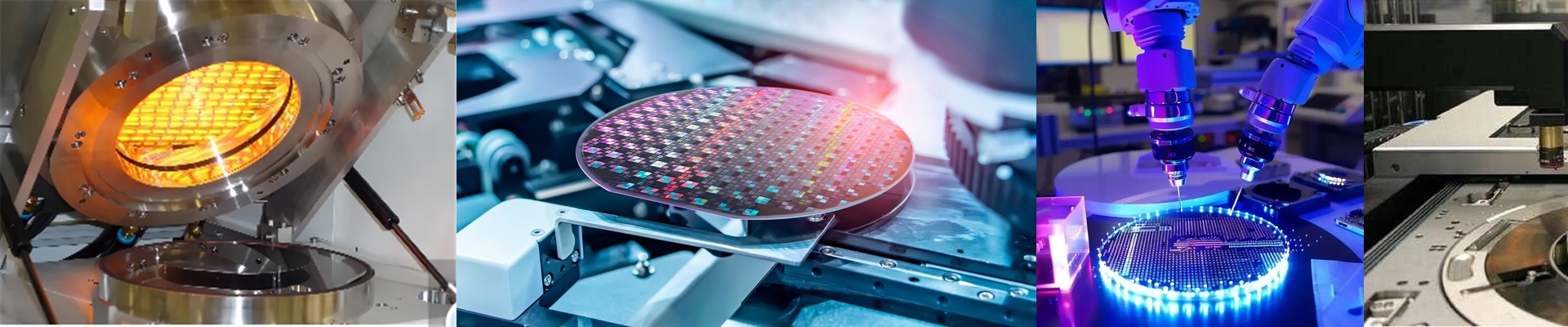
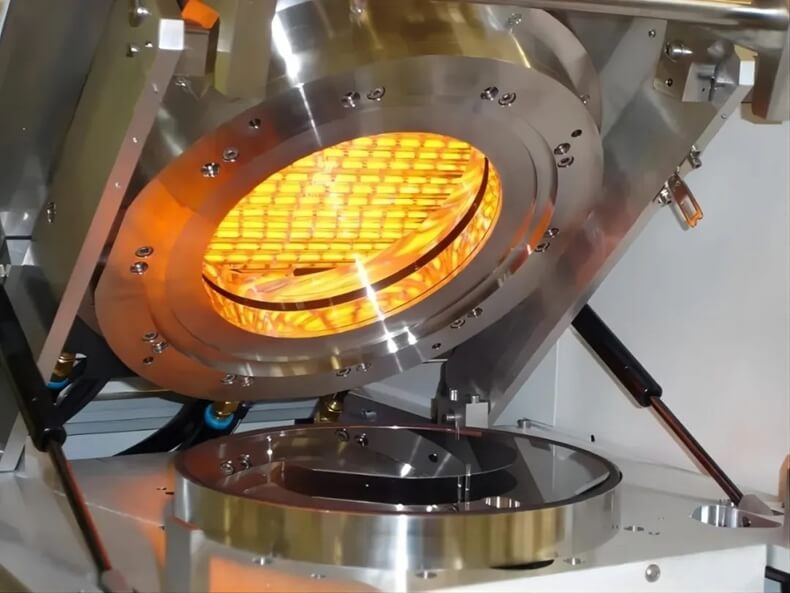
Let’s be honest: managing heat in semiconductor manufacturing usually feels like a losing battle. You’re constantly fighting to get the heat density exactly where it needs to be without burning through a mountain of electricity. That’s where IR lamps with gold reflectors come in. This isn’t some fancy “green” marketing ploy. It’s just basic physics. The deal with gold Most people start with aluminum reflectors, but the problem is they soak up too much energy. Gold is different. It’s incredibly efficient at bouncing infrared radiation right back toward the wafer. When you stop that heat from leaking into the tool chassis, something happens. Your HVAC and chilled water systems stop working overtime. It’s a relief. Plus, when you stop wasting energy on every single wafer, hitting those carbon-neutral goals actually feels doable instead of like a pipe dream. The trade-off These lamps are beasts. They hit high-intensity, short-wave output almost instantly. You get a rapid ramp-up and the kind of precision that keeps your wafers from warping. But there’s a catch. Gold is picky. If you’re working with corrosive gases, you have to be obsessive about the quartz envelope seal. One tiny leak, one bit of contamination, and your reflector gets pitted. Once that happens, your efficiency tanks. It’s a fragile balance, but it’s worth it. Looking at the big picture Here is the best part: when your reflectors actually work, you don’t need as many lamps to hit your thermal profile. Think about that on a line pushing a thousand wafers an hour. The drop in kWh is huge. You get a tighter thermal gradient and a smaller carbon footprint per chip. It’s pretty simple—better materials mean you stop paying for electricity that you’re just venting into the room.